

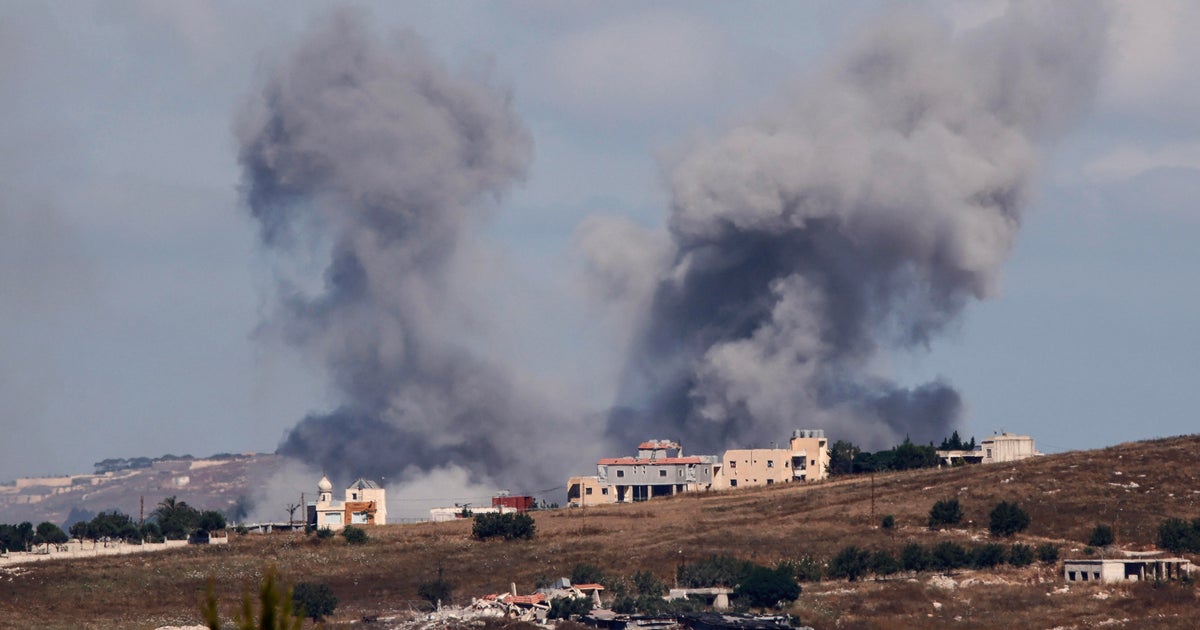
Escalating Tensions: Israel-Hezbollah Fighting Puts U.S.-Iran Deal to the Test
The recent flare-up in fighting between Israel and Hezbollah in Lebanon has raised significant concerns about the stability of the region and the viability of the U.S.-Iran deal. As next-phase talks are delayed, the international community is watching with bated breath as the situation in the Middle East continues to deteriorate.The conflict between Israel and Hezbollah has been ongoing for years, with periods of relative calm punctuated by outbreaks of violence. However, the latest escalation has brought the region to the brink of chaos, with rocket attacks and aerial bombardments being exchanged between the two sides. The situation is further complicated by the involvement of other regional players, including Iran, which has been accused of providing military support to Hezbollah.
Challenges to the U.S.-Iran Deal
The U.S.-Iran deal, which was hailed as a major breakthrough in diplomatic efforts to resolve the Iranian nuclear crisis, is facing an early test. The deal, which aims to limit Iran's nuclear program in exchange for economic relief, is still in its early stages, and the current tensions in the region are threatening to derail the process. The delay in next-phase talks has raised concerns that the deal may not be able to withstand the pressures of regional politics.The U.S. has been actively engaged in efforts to broker a peaceful resolution to the conflict, with diplomatic channels being used to try to calm the situation. However, the complexity of the issue and the multiplicity of players involved make it a difficult challenge to overcome. The U.S. is also facing pressure from its allies in the region, including Israel, which is seeking reassurances about its security in the face of the ongoing conflict.
Regional Implications
The fighting between Israel and Hezbollah has significant implications for the region as a whole. The humanitarian toll of the conflict is already being felt, with civilians being caught in the crossfire and infrastructure being damaged. The conflict is also having a destabilizing effect on the region, with other countries being drawn into the conflict and the risk of escalation increasing by the day.- Rocket attacks have been launched from Lebanese territory into Israel, prompting aerial bombardments in response.
- The U.S. has condemned the violence and called for restraint from all parties involved.
- The UN has issued a statement calling for calm and dialogue to resolve the conflict.
- The European Union has also called for restraint and urged all parties to engage in diplomatic efforts to resolve the conflict.
The situation in the Middle East is complex and multifaceted, with a range of historical, cultural, and political factors at play. The U.S.-Iran deal is just one part of a larger regional puzzle, and its success will depend on a range of factors, including the ability of the parties involved to build trust and work together to address the challenges facing the region.
Conclusion
The fighting between Israel and Hezbollah in Lebanon has raised significant concerns about the stability of the region and the viability of the U.S.-Iran deal. As next-phase talks are delayed, the international community is watching with bated breath as the situation in the Middle East continues to deteriorate. The U.S. and other regional players must work together to build trust and address the complex challenges facing the region, or risk destabilization and conflict.Stay tuned to Buzztoday24 for more updates.





0 Comments