

The Unending Sorrow of Ebola
The recent Ebola outbreak has left an indelible mark on the lives of countless individuals, with the virus claiming numerous lives and altering the way people mourn their deceased loved ones. In a heart-wrenching account, a survivor shared the unbearable pain of burying both parents on consecutive days, a testament to the devastating impact of the outbreak. A New Era of Mourning In the face of this unprecedented crisis, it has become essential for mourners to learn how to grieve safely, adapting to a new normal that prioritizes the containment of the disease over traditional funeral practices. The once-grand and elaborate funerals, which were an integral part of the cultural heritage, have been replaced by simple, hurried ceremonies, often without the presence of family and friends.Challenges in the Epicentre
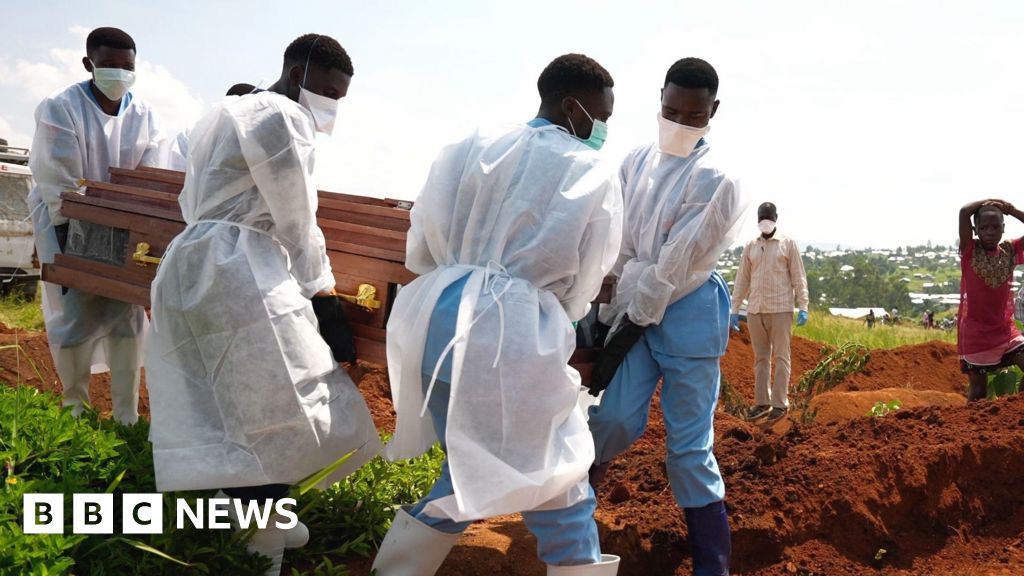
At the epicentre of the outbreak, a local cemetery is rapidly filling up with the victims of the deadly virus. The sheer number of burials has forced authorities to adopt strict measures to ensure that the funerals do not become breeding grounds for the disease. This has meant that large traditional funerals, which were once a cornerstone of the community's grieving process, have been scrapped.- Reduced Funeral Attendance: Funerals now have limited attendance, with only a handful of family members allowed to pay their respects.
- No Touching or Embracing: Mourners are prohibited from touching or embracing each other, a stark contrast to the traditional comfort-seeking practices.
- Body Handling Protocols: Specialized teams, equipped with personal protective equipment (PPE), handle the bodies, minimizing the risk of transmission.
- Speedy Burials: Burials are conducted quickly, often within hours of death, to prevent the spread of the disease.
Psychological Impact on Survivors
The shift in mourning practices has not only affected the way people grieve but has also taken a toll on the mental health of survivors. The lack of traditional funeral rites and the inability to seek comfort in the company of loved ones have exacerbated the feelings of loneliness and despair. Many survivors are left to navigate their grief in isolation, struggling to come to terms with the loss of their loved ones. Supporting the Affected Communities In response to the crisis, local organizations and health authorities are working tirelessly to provide support to the affected communities. This includes counseling services, designed to help survivors cope with their loss, as well as educational programs, aimed at promoting safe mourning practices.A Glimmer of Hope
As the world grapples with the aftermath of the Ebola outbreak, there is a glimmer of hope on the horizon. With the implementation of safe mourning practices and the dedication of healthcare workers, the spread of the disease is slowly being contained. While the road to recovery will be long and arduous, the resilience of the affected communities and the support of the global community will ultimately pave the way for healing and rebuilding. In the face of unimaginable tragedy, the human spirit has once again demonstrated its capacity for adaptability and courage. As we move forward, it is essential to acknowledge the sacrifices made by those who have lost their lives to the outbreak and to honor their memory by continuing to prioritize safety and disease control.Stay tuned to Buzztoday24 for more updates.







0 Comments