Monday, August 10, 2026

Bitcoin ETFs: What Recent Crypto News Means for Your Portfolio

The world of crypto moves fast. One minute everyone talks about NFTs, the next it is all about decentralized finance. Lately, the biggest crypto news everyone is watching is Bitcoin Exchange Traded Funds, or ETFs. These aren't just some new fancy trading tool. They've brought big changes to how people can buy and sell Bitcoin. For a long time, buying Bitcoin felt a bit like the Wild West. Now, things are getting a lot more structured. This shift impacts everyone, from big investment firms to individual traders like you and me. Let's break down what these Bitcoin ETFs are and what they really mean for your money.

Bitcoin ETFs: What Recent Crypto News Means for Your Portfolio

What Are Bitcoin ETFs, Anyway?

Think of an ETF as a basket of investments you can buy or sell on a regular stock market. It trades just like a company's stock. A Bitcoin ETF is simply an ETF that holds Bitcoin as its main asset. This means instead of buying Bitcoin directly from a crypto exchange, you can buy shares in a fund that owns Bitcoin. When you buy a share of a Bitcoin ETF, you are not actually owning Bitcoin yourself. You own a piece of a fund that does.

This sounds simple, but it is a huge deal. Before ETFs, if you wanted Bitcoin, you had to set up a crypto wallet, pick an exchange, and learn how to secure your digital assets. This process can feel confusing and risky for many people. Bitcoin ETFs take away some of that complexity. They offer an easier way for traditional investors to get exposure to Bitcoin's price movements.

These new spot Bitcoin ETFs were a big step. Futures Bitcoin ETFs have been around longer. Spot ETFs actually hold real Bitcoin. Futures ETFs invest in contracts that bet on Bitcoin's future price. The approval of spot Bitcoin ETFs in the US changed everything. It opened the door for many more people and big companies to invest in crypto through their normal brokerage accounts.

How Bitcoin ETFs Changed the Market

The introduction of spot Bitcoin ETFs caused quite a stir in the crypto market. When they launched, we saw a lot of excitement and new money flow into Bitcoin. This was a clear sign that big institutions, like pension funds and investment banks, were finally comfortable stepping into the crypto space. They had been hesitant before due to regulatory concerns and the complexities of direct crypto ownership.

This wave of institutional money has had a noticeable impact on Bitcoin's price. After the ETFs launched, Bitcoin reached new all-time highs. This shows that the demand for Bitcoin grew quickly once it became easier and more regulated to access. It is not just about individuals buying a bit of crypto anymore. Major players are now buying Bitcoin in large amounts. They see it as a legitimate asset class.

The approval also gave Bitcoin a stamp of legitimacy in the eyes of many traditional investors. It signals that regulators are becoming more accepting of crypto as a part of the financial system. This growing acceptance can lead to more stability in the market over time. It makes Bitcoin feel less like a risky, fringe investment and more like a mainstream option.

Bitcoin ETFs: What Recent Crypto News Means for Your Portfolio

What This Means for Regular Crypto Investors

For someone who already owns Bitcoin or is thinking about buying it, these ETFs bring a few things to consider. First, the increased institutional interest could mean less price volatility in the long run. When more big money is involved, markets tend to become more stable. This is not a guarantee, but it is a general trend in finance. It might make Bitcoin a less wild ride.

Second, if you've been on the fence about crypto, ETFs offer a lower barrier to entry. You can talk to your financial advisor about adding a Bitcoin ETF to your traditional investment portfolio. This means you do not have to worry about private keys or specific crypto exchanges. It is an easier way to dip your toes in. But remember, you are still exposed to Bitcoin's price changes.

It is worth noting that while ETFs make access easier, they do come with fees. These are management fees charged by the fund providers. If you hold Bitcoin directly, you usually only pay trading fees. Always check the expense ratios of any ETF before you invest. They can eat into your returns over time. Understanding these costs is important for your in short investment strategy.

This big shift really changes how people view crypto investments. It opens up Bitcoin to a much wider audience, but it also brings new dynamics. For more general insights and updates on different aspects of crypto and how the broader economy affects it, you might find some interesting reads on our main blog.

What to Watch Next in Crypto News

The launch of Bitcoin ETFs is not the end of the story. It is just the beginning. We could see similar ETFs for other major cryptocurrencies in the future, like Ethereum. This would further expand access and bring more institutional money into the broader crypto market. Keep an eye on regulatory discussions around these possibilities. They will be big news.

Another thing to watch is how these ETFs perform over the next few years. Will they attract continuous inflows of capital? How will they react during different market cycles? Their long-term performance will shape confidence in crypto as an asset class. It will also show if this new access method truly makes a difference for investors.

Always remember that the crypto market is still relatively young and can be unpredictable. Even with ETFs, prices can move up and down sharply. Do your own research and understand the risks involved before putting your money into any investment. Staying informed is always your best strategy. For example, understanding how Interest Rates and Bitcoin Price: What Crypto Investors Need to Watch can be really helpful for making smart decisions.

The world of crypto is always changing. These ETFs are a major development. They show crypto is becoming a more accepted part of the financial world. Staying updated on these trends helps you make better choices for your portfolio.

Interest Rates and Bitcoin Price: What Crypto Investors Need to Watch

Recent crypto news often highlights big price swings. Many factors cause these changes. One of the biggest, though often overlooked by newer investors, is central bank interest rate decisions. When central banks like the Federal Reserve in the US make announcements about rates, it sends ripples through all markets, including Bitcoin.

Interest Rates and Bitcoin Price: What Crypto Investors Need to Watch

You might wonder why something as traditional as interest rates affects something as new as crypto. It comes down to basic economics and investor behavior. Let's break down what's happening and what it means for your crypto holdings.

How Interest Rates Move Bitcoin

Think about interest rates as the "cost" of money. When central banks raise rates, borrowing money becomes more expensive. This makes things like mortgages, car loans, and business loans pricier. It also means you can get a better return on safer investments, like savings accounts or government bonds.

When safe investments pay more, investors often pull money out of riskier assets. Crypto, especially Bitcoin, is generally seen as a riskier asset. Why take a chance on a volatile digital currency if you can get a decent, guaranteed return somewhere else?

Conversely, when central banks cut rates, borrowing gets cheaper. Returns on safe investments go down. This pushes investors to look for higher returns in places like the stock market or, yes, the crypto market. It makes riskier assets more attractive because the "safe" options aren't paying much.

Past Rate Hikes and Crypto's Reaction

We've seen this play out clearly over the last couple of years. In 2022, the Federal Reserve started raising interest rates aggressively to fight inflation. This was a tough time for the crypto market. Bitcoin's price dropped significantly, along with many other cryptocurrencies.

It wasn't just Bitcoin. Tech stocks, which are also considered growth assets and rely on cheap money, also saw big declines. This showed a clear correlation. When money became more expensive, people sold off their speculative holdings.

Many crypto projects that relied on easy funding found it harder to operate. Some even failed. The whole market felt the squeeze. It was a good reminder that crypto does not exist in a bubble separate from the rest of the financial world.

The Current State: Holding Steady or More Volatility?

Now, we're in a different phase. Central banks have largely paused their rate hikes. Some even hint at cuts later this year or next. This shift in sentiment is a big piece of current Meme Coin Hype: What Real Crypto Investors Need to Know Now and broader market analysis.

Bitcoin has shown some strength recently. It seems to be pricing in the idea that rates won't go up much more, and might even come down. However, the exact timing of any rate cuts is still uncertain. Central banks are watching economic data very closely.

If inflation proves stubborn, rate cuts could be delayed. This could lead to more volatility in Bitcoin's price. If the economy slows too much, central banks might cut faster, which could be good for crypto. It's a constant balancing act.

What Crypto Investors Should Watch Next

For anyone holding crypto, keeping an eye on central bank announcements is a smart move. Here's what I think you should pay attention to:

  • Inflation Data: This is key. If inflation falls consistently, it gives central banks more room to cut rates. Watch for the Consumer Price Index (CPI) reports.
  • Job Reports: Strong job markets can make central banks hesitant to cut rates. Weak job numbers might push them to act sooner. The monthly jobs report is important.
  • Central Bank Meetings: The Federal Reserve, European Central Bank, and others hold regular meetings. Their statements and press conferences often give clues about future rate policy.
  • Economic Forecasts: Many financial institutions put out their own predictions for rates and the economy. These can help you understand the general sentiment.

Don't expect a direct, immediate, one-to-one correlation every single time. The market is complex. Many things affect Bitcoin's price. Geopolitical events, new regulations, and big institutional adoption all play a part. Still, interest rates are a major underlying current.

Understanding this connection helps you make more informed decisions. It reminds us that even in decentralized finance, traditional economics still holds a lot of sway. Stay informed and keep these factors in mind as you go through the crypto market.

Consumer Alert: Hannaford Recall Sparks Salmonella Concerns, What US Investors Need to Know

Consumer Alert: Hannaford Recall Sparks Salmonella Concerns, What US Investors Need to Know

Introduction to the Hannaford Recall

The recent recall of deli and produce items by Hannaford, a popular grocery store chain in the US, has sparked concerns over salmonella contamination. As a US investor, it's essential to stay informed about such events, as they can have a significant impact on the stock market and the overall economy. In this article, we'll delve into the details of the recall, its potential effects on the market, and what you can do to protect yourself and your investments.

Understanding the Recall

The recall affects six items sold at Hannaford stores, including deli meats, produce, and other related products. The recall was initiated due to a supplier-linked salmonella concern, which has prompted the company to take immediate action to protect its customers. If you've purchased any of these items, it's crucial to check your fridge and freezer and return them to the store for a full refund.

Potential Market Impact

The recall can have a significant impact on the stock market, particularly on companies involved in the food industry. **Investors should be aware of the potential risks** associated with such recalls, including: * Decreased consumer confidence * Loss of sales and revenue * Increased costs for product recalls and safety measures * Potential lawsuits and regulatory actions
US Economy and Food Safety
The US economy is heavily influenced by the food industry, with grocery stores and food manufacturers playing a vital role in the country's economic growth. **Food safety is a critical concern** for US consumers, and companies must prioritize it to maintain customer trust and loyalty. The Hannaford recall highlights the importance of robust food safety protocols and the need for companies to be proactive in addressing potential risks.

What US Investors Need to Know

As a US investor, it's essential to stay informed about the recall and its potential impact on the market. Here are some key points to consider: * **Monitor stock prices**: Keep an eye on the stock prices of companies involved in the food industry, particularly those that may be affected by the recall. * **Diversify your portfolio**: Consider diversifying your investment portfolio to minimize the risk of losses due to recalls or other market disruptions. * **Stay up-to-date with news and developments**: Follow reputable news sources, such as Bloomberg and The Wall Street Journal, to stay informed about the recall and its potential impact on the market.

Protecting Yourself and Your Investments

To protect yourself and your investments, it's crucial to stay informed and take proactive steps. Here are some tips: * **Check your fridge and freezer**: If you've purchased any of the recalled items, check your fridge and freezer and return them to the store for a full refund. * **Stay informed about food safety**: Follow reputable sources, such as the US Food and Drug Administration, to stay informed about food safety and potential recalls. * **Diversify your investments**: Consider diversifying your investment portfolio to minimize the risk of losses due to recalls or other market disruptions.

Conclusion

The Hannaford recall highlights the importance of food safety and the potential impact of recalls on the stock market. As a US investor, it's essential to stay informed and take proactive steps to protect yourself and your investments. By monitoring stock prices, diversifying your portfolio, and staying up-to-date with news and developments, you can minimize the risk of losses and make informed investment decisions. For more information on the recall and its potential impact on the market, visit buzztoday24.com. Hannaford recall notice
Additional Resources
For more information on food safety and recalls, visit the following resources: * US Food and Drug Administration * Centers for Disease Control and Prevention * buzztoday24.com


Follow Buzztoday24 for more US financial updates and market insights.

Verizon Mobile Service Outage: Thousands of US Customers Affected, Downdetector Reports

Verizon Mobile Service Outage: Thousands of US Customers Affected, Downdetector Reports

Verizon Mobile Service Outage: What You Need to Know

Thousands of Verizon customers in the US are experiencing mobile service outages, according to Downdetector, a website that tracks service disruptions. The outage has left many customers without access to mobile data, voice calls, and text messaging.

Causes of the Outage Remain Unclear

Verizon has not provided a reason for the outage, leaving customers wondering what caused the disruption. The wireless carrier has advised customers who are still experiencing issues to restart their devices. This simple troubleshooting step may resolve the issue for some customers, but others may need to wait for Verizon to resolve the underlying problem.

Impact on US Telecom Stocks

The outage may have a negative impact on Verizon's stock price, as well as the broader US telecom sector. Investors who own Verizon stocks or other telecom stocks may want to keep a close eye on the situation. The outage could also affect the overall performance of the US stock market, particularly if it is not resolved quickly.
How to Check if Your Service is Affected
If you are a Verizon customer and are experiencing issues with your service, you can check the Downdetector website to see if there are any outages in your area. You can also try restarting your device or contacting Verizon's customer support for assistance. Some key points to keep in mind: * The outage is affecting thousands of Verizon customers in the US * The cause of the outage is currently unknown * Customers are advised to restart their devices to try and resolve the issue * The outage may have a negative impact on US telecom stocks * Customers can check the Downdetector website to see if there are any outages in their area

US Telecom Market Overview

The US telecom market is highly competitive, with several major players competing for market share. Verizon is one of the largest telecom companies in the US, with a significant customer base. The company has invested heavily in its network infrastructure in recent years, but outages like this can still occur.

Investing in US Telecom Stocks

Investors who are interested in investing in US telecom stocks should do their research and consider the potential risks and rewards. The US telecom sector can be volatile, and outages like this can have a significant impact on stock prices. However, the sector also offers opportunities for long-term growth and dividend income.

Verizon's Response to the Outage

Verizon has not yet commented on the cause of the outage or provided a timeline for when service is expected to be restored. The company has advised customers to restart their devices and has apologized for the inconvenience. Customers who are still experiencing issues can contact Verizon's customer support for assistance.
Conclusion
The Verizon mobile service outage is a significant issue that is affecting thousands of customers in the US. The cause of the outage is currently unknown, and customers are advised to restart their devices to try and resolve the issue. Investors who own US telecom stocks should keep a close eye on the situation, as it may have a negative impact on stock prices. For more information on US telecom stocks and the latest market news, visit buzztoday24.com. You can also check out Bloomberg for the latest news and analysis on the US telecom sector. Verizon Logo Note: The image is for illustration purposes only and is not affiliated with Verizon or any other company.


Follow Buzztoday24 for more US financial updates and market insights.

The Billion-Dollar Facelift: Unveiling the Shocking Truth Behind Luxury Cosmetic Procedures

The Billion-Dollar Facelift: Unveiling the Shocking Truth Behind Luxury Cosmetic Procedures

Introduction to the World of Luxury Cosmetic Surgery

The pursuit of eternal youth and beauty has become a multi-billion dollar industry, with celebrities and high-net-worth individuals willing to spend top dollar for the most exclusive and luxurious cosmetic procedures. But does the old adage "you get what you pay for" really apply when it comes to facelifts? A recent revelation by a celebrity plastic surgeon has shed light on the shocking difference between a $30,000 and a $300,000 facelift, leaving many to wonder if the hefty price tag is really worth it.

Understanding the Cost of Luxury

When it comes to luxury spending, the mindset is often that the more expensive, the better the quality and results. However, this may not always be the case. The significant price disparity between the two facelift options has sparked a debate about the true value of luxury in the cosmetic surgery industry. Luxury spending can have a significant impact on one's personal wealth, and it's essential to understand the costs and benefits before making a decision.

The $30,000 Facelift: A More Affordable Option

The $30,000 facelift is a more affordable option that still offers significant benefits. This procedure typically includes: * A comprehensive consultation with a board-certified plastic surgeon * A customized treatment plan tailored to the individual's needs * The use of high-quality materials and equipment * Follow-up care and support to ensure a smooth recovery While the results may not be as dramatic as the $300,000 facelift, the $30,000 option can still provide a significant improvement in appearance and self-confidence.
The $300,000 Facelift: The Crème de la Crème of Cosmetic Surgery
The $300,000 facelift is the ultimate luxury experience, offering the most advanced techniques, cutting-edge technology, and unparalleled personalized service. This premium procedure typically includes: * A private consultation with a world-renowned plastic surgeon * A bespoke treatment plan tailored to the individual's unique needs and goals * The use of the latest, most advanced equipment and materials * A dedicated team of professionals to ensure a seamless and comfortable experience * Follow-up care and support to ensure a flawless recovery But is the $300,000 price tag really justified? According to the celebrity plastic surgeon, the results may not be as dramatically different as one would expect.

The Shocking Truth Revealed

In an exclusive interview, the celebrity plastic surgeon revealed that the difference between the $30,000 and $300,000 facelifts is not as significant as one would assume. While the $300,000 option offers more advanced techniques and personalized service, the actual results may not be dramatically different. This shocking revelation has left many to wonder if the luxury price tag is really worth it.

What This Means for Your Wallet and Your Looks

So, what does this mean for individuals considering a facelift? The answer lies in understanding the true value of luxury in the cosmetic surgery industry. While the $300,000 facelift may offer a more exclusive experience, the $30,000 option can still provide significant benefits and results. It's essential to weigh the costs and benefits, considering factors such as: * Personal finance: Can you afford the luxury price tag, or would a more affordable option be more suitable? * Results: What are your expectations, and will the $300,000 facelift really deliver dramatically different results? * Value: Is the luxury experience really worth the significant price disparity?

Conclusion: Making an Informed Decision

In conclusion, the shocking difference between the $30,000 and $300,000 facelifts has sparked a debate about the true value of luxury in the cosmetic surgery industry. While the $300,000 option offers a more exclusive experience, the $30,000 facelift can still provide significant benefits and results. It's essential to understand the costs and benefits, considering factors such as personal finance, results, and value. By making an informed decision, individuals can ensure that they get the best possible results for their money. For more information on celebrity finance and luxury spending, visit our website. You can also check out the latest news and trends on Bloomberg or The Wall Street Journal. Facelift procedure


Follow Buzztoday24 for more US financial updates and market insights.

Cyclospora Outbreaks: How Food Safety Fears Are Impacting the US Salad Industry and Investor Confidence

Cyclospora Outbreaks: How Food Safety Fears Are Impacting the US Salad Industry and Investor Confidence

Introduction to the Cyclospora Outbreaks

The recent cyclospora outbreaks across the United States have led to a significant decline in traffic to salad chains, as consumers become increasingly cautious about the safety of their food. This trend has far-reaching implications, not only for the salad industry but also for the broader US economy and investor confidence. As the situation continues to unfold, it is essential for investors and analysts to stay informed about the potential market impacts.

Understanding Cyclospora and Its Effects

Cyclospora is a parasite that can cause cyclosporiasis, an intestinal infection that can lead to symptoms such as diarrhea, abdominal cramps, and fatigue. The ongoing outbreaks have been linked to contaminated produce, highlighting the need for enhanced food safety measures. As consumers become more aware of the risks associated with certain foods, their eating habits and purchasing decisions are likely to change, with potential consequences for the food industry as a whole.

Impact on the Salad Industry

The decline in traffic to salad chains is a clear indication of the impact that the cyclospora outbreaks are having on the industry. With consumers opting for alternative meal options, salad chains are facing significant challenges in maintaining sales and revenue. This trend is likely to continue until the outbreaks are brought under control and consumer confidence is restored. Some of the key factors contributing to this decline include: * Growing concerns over food safety * Increased awareness of the risks associated with contaminated produce * Changes in consumer eating habits and purchasing decisions
Broader Economic Implications
The cyclospora outbreaks have broader implications for the US economy, particularly in terms of consumer spending and investor confidence. As consumers become more cautious about their food choices, they may also become more hesitant to spend money on dining out or ordering takeout. This could have a ripple effect throughout the economy, impacting not only the food industry but also related sectors such as hospitality and tourism. Furthermore, the outbreaks may lead to increased costs for food producers and distributors, as they implement enhanced safety measures to mitigate the risk of contamination.

Investor Confidence and Market Impacts

The cyclospora outbreaks are likely to have significant implications for investor confidence, particularly in the food and hospitality sectors. As the situation continues to unfold, investors will be closely watching the impact on sales and revenue for companies in these sectors. Some of the key factors that investors will be considering include: * The effectiveness of food safety measures in preventing future outbreaks * The impact of the outbreaks on consumer behavior and spending habits * The potential for increased costs and regulatory burdens on food producers and distributors

Regulatory Response and Future Outlook

In response to the cyclospora outbreaks, regulatory agencies are likely to implement enhanced food safety measures, including increased inspections and testing of produce. This could lead to increased costs for food producers and distributors, but it may also help to restore consumer confidence and prevent future outbreaks. As the situation continues to evolve, it is essential for investors and analysts to stay informed about the latest developments and their potential implications for the market.

Conclusion and Recommendations

The cyclospora outbreaks are a significant concern for the US food industry, with far-reaching implications for consumer spending, investor confidence, and the broader economy. As the situation continues to unfold, it is essential for investors and analysts to stay informed about the potential market impacts and to consider the following recommendations: * Monitor the effectiveness of food safety measures in preventing future outbreaks * Watch for changes in consumer behavior and spending habits * Consider the potential for increased costs and regulatory burdens on food producers and distributors * Stay up-to-date with the latest developments and regulatory responses through reputable sources such as Bloomberg and The Wall Street Journal. For more information on the cyclospora outbreaks and their impact on the US food industry, visit buzztoday24.com. Our team of expert journalists and analysts provides timely and insightful coverage of the latest developments in the US economy and financial markets.


Follow Buzztoday24 for more US financial updates and market insights.

The End of an Era: How a Beloved Mall Ice Rink's Closure Impacts Local Economy and Personal Finance

The End of an Era: How a Beloved Mall Ice Rink's Closure Impacts Local Economy and Personal Finance

Introduction to the Closure of a Beloved Landmark

The recent announcement of the Lloyd Center ice rink's closure in Portland, Oregon, has sent shockwaves through the local community. For nearly 60 years, Jerry and Tally Leonard have been a staple at the mall, entertaining shoppers and open-skate crowds with their skating performances. The closure of this beloved landmark not only affects the Leonards but also has significant implications for the local economy and personal finance.

Impact on Local Businesses

The Lloyd Center ice rink was more than just a skating venue; it was a hub for social activity, attracting visitors from all over the city. The closure of the rink will likely have a ripple effect on local businesses, including: * Reduced foot traffic, resulting in lower sales for nearby stores and restaurants * Loss of jobs, both directly and indirectly, as the rink's closure affects the entire ecosystem of the mall * Decreased property values, as the mall's appeal and attractiveness diminish

Personal Finance Implications

The closure of the Lloyd Center ice rink also has personal finance implications for individuals who frequent the mall. With one less attraction, consumers may be less likely to visit the mall, resulting in: * Reduced spending on discretionary items, such as dining and entertainment * Increased savings, as individuals allocate their budgets elsewhere * Potential investments in alternative activities, such as investing in local businesses or personal finance products
Alternative Investments and Opportunities
While the closure of the Lloyd Center ice rink presents challenges, it also creates opportunities for alternative investments and activities. Individuals may consider: * Investing in community development projects, such as revitalizing public spaces or supporting local arts programs * Exploring new hobbies and interests, such as outdoor activities or creative pursuits * Supporting local businesses and entrepreneurs, helping to stimulate economic growth and job creation

Conclusion and Future Outlook

The closure of the Lloyd Center ice rink marks the end of an era, but it also presents a chance for the community to come together and explore new opportunities. As the city of Portland looks to the future, it is essential to consider the financial implications of this closure and seek out alternative investments and activities that can help stimulate local economic growth. For more information on personal finance, investing, and local business trends, visit buzztoday24.com. Lloyd Center Ice Rink in Portland, Oregon By understanding the impact of the Lloyd Center ice rink's closure, individuals can make informed decisions about their personal finance and investments, ultimately contributing to the growth and development of the local economy. As the community looks to the future, it is crucial to prioritize financial literacy, investing in local businesses, and supporting community development projects. In the face of change, it is essential to remain adaptable and resilient, seeking out new opportunities and investments that can help drive economic growth and job creation. By working together, the community can overcome the challenges presented by the closure of the Lloyd Center ice rink and create a brighter, more prosperous future for all. For the latest news and updates on the US economy, personal finance, and investing, visit buzztoday24.com. Stay informed, stay ahead, and make informed decisions about your financial future.


Follow Buzztoday24 for more US financial updates and market insights.

Berkshire Earnings Soar: Greg Abel Deploys Buffett's Cash Hoard Amidst Energy and Railroad Boom

Berkshire Earnings Soar: Greg Abel Deploys Buffett's Cash Hoard Amidst Energy and Railroad Boom

Introduction to Berkshire's Earnings Surge

The latest earnings report from Berkshire Hathaway has sent shockwaves of excitement through the US financial markets. With a significant rise in earnings, largely attributed to the strength in its energy, railroad, and manufacturing sectors, the company is once again proving its resilience and diversified portfolio. This surge in earnings comes at a pivotal time, as CEO Greg Abel begins to deploy the massive cash hoard amassed by legendary investor Warren Buffett.

Key Drivers of Berkshire's Success

Several key factors have contributed to Berkshire's impressive performance: * **Energy Sector Boom**: The energy sector has been a significant contributor, with rising demand and prices bolstering the company's bottom line. * **Railroad and Manufacturing**: The railroad and manufacturing businesses have also shown considerable strength, underscoring the diversity and depth of Berkshire's portfolio. * **Strategic Investments**: Warren Buffett's strategic investment decisions have historically been a hallmark of Berkshire's success, and the current deployment of the cash hoard under Greg Abel's leadership is being closely watched by investors and analysts alike.

Impact on the US Economy and Investors

The implications of Berkshire's earnings surge and the deployment of its cash hoard are multifaceted: * **Boost to US Economy**: The increased investment by Berkshire Hathaway can provide a significant boost to the US economy, creating jobs and stimulating growth in various sectors. * **Investor Confidence**: The move is likely to bolster investor confidence, not just in Berkshire Hathaway but also in the broader US stock market, as it signals a positive outlook on the part of one of the world's most successful investors.
Warren Buffett's Legacy and Greg Abel's Leadership
Warren Buffett's legacy at Berkshire Hathaway is unparalleled, with his investment acumen and long-term approach being studied by investors worldwide. As Greg Abel takes the reins, his ability to deploy the cash hoard effectively will be under scrutiny. The transition and Abel's leadership style are crucial for the future success of Berkshire Hathaway.

For more insights into Berkshire Hathaway and the US financial markets, visit buzztoday24.com. The platform offers in-depth analysis, news, and expert opinions on investing and personal finance, tailored for US investors and financial professionals.

Market Analysis and Trends

The current market trends suggest a continued growth trajectory for companies like Berkshire Hathaway, which have a diversified portfolio and a strong leadership team. As the US economy navigates through challenges and opportunities, the role of strategic investment and cash deployment will be pivotal.

According to a report by Bloomberg, the energy sector is expected to continue its upward trend, driven by demand and geopolitical factors. This bodes well for Berkshire Hathaway's energy interests and could further bolster its earnings in the coming quarters.

Sponsored Ad
Trade Smart, Earn Fast
Join millions of traders worldwide. Start with a demo account today!
Start Trading Now
Secure & Fast Platform

Investing Strategies for US Investors

US investors looking to capitalize on the growth of companies like Berkshire Hathaway should consider the following strategies: * **Diversification**: Spread investments across different sectors to minimize risk and maximize returns. * **Long-term Approach**: Adopt a long-term investment strategy, focusing on fundamental analysis rather than short-term market fluctuations. * **Market Research**: Stay informed about market trends and analysis from reputable sources like buzztoday24.com and The Wall Street Journal.

Conclusion and Future Outlook

The recent earnings surge by Berkshire Hathaway, coupled with the strategic deployment of its cash hoard, signals a positive future outlook for the company and potentially for the broader US economy. As investors and analysts watch Greg Abel's leadership closely, the legacy of Warren Buffett continues to inspire investment strategies and market confidence.

Stay updated with the latest financial news, market analysis, and investing insights by visiting buzztoday24.com. The platform is dedicated to providing high-quality, authoritative content for US investors and financial professionals, helping them make informed decisions in the ever-evolving financial landscape.

Berkshire Hathaway Logo
Final Thoughts on Berkshire's Future
The future of Berkshire Hathaway under Greg Abel's leadership is filled with opportunities and challenges. As the company navigates the complex US financial market, its ability to adapt, invest strategically, and maintain its diversified portfolio will be key to its continued success. For US investors and Wall Street analysts, the story of Berkshire Hathaway serves as a reminder of the importance of long-term vision, strategic investment, and resilience in the face of market volatility.

Sponsored Ad
Trade Smart, Earn Fast
Join millions of traders worldwide. Start with a demo account today!
Start Trading Now
Secure & Fast Platform

Follow Buzztoday24 for more US financial updates and market insights.

Powerball Jackpot Swells to $856 Million: What This Means for US Economy and Investors

Powerball Jackpot Swells to $856 Million: What This Means for US Economy and Investors

Introduction to the Powerball Phenomenon

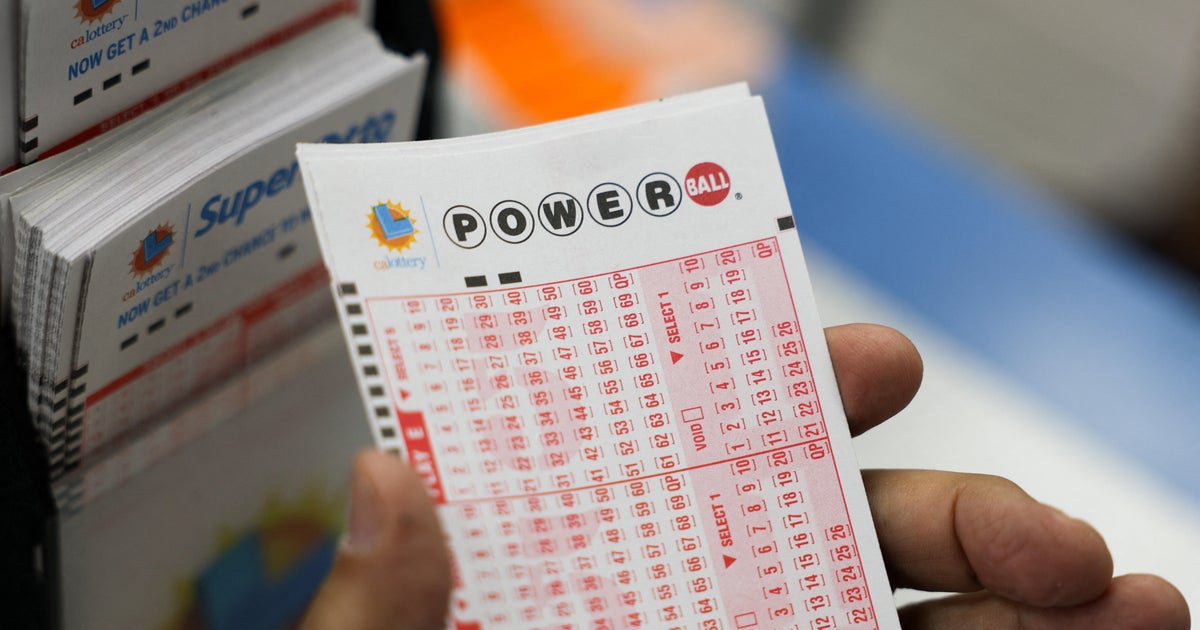
The Powerball jackpot has grown to a staggering $856 million, marking the largest drawing of the year and the eighth-largest in the game's history. This enormous sum has captivated the attention of millions of Americans, sparking conversations about the potential impact on the US economy and individual investing strategies. As a financial journalist, it's essential to delve into the details of this phenomenon and explore its implications for US investors and the broader economy.

Understanding the Powerball Jackpot

The Powerball jackpot has been steadily increasing over the years, with the current $856 million prize being a testament to its growing popularity. But what drives this growth, and how does it affect the US economy? To answer this, let's examine the mechanics of the Powerball game and its revenue distribution. A significant portion of the revenue generated from ticket sales goes towards funding various public programs, such as education and infrastructure development. This injection of funds can have a positive impact on local economies, creating jobs and stimulating economic growth.

Impact on US Economy

The Powerball jackpot's influence on the US economy is multifaceted. On one hand, the massive prize amount can lead to increased consumer spending, as winners often invest their winnings in luxury items, real estate, or businesses. This, in turn, can boost economic activity, creating a ripple effect that benefits various industries. On the other hand, the lottery's revenue distribution can also have a positive impact on public finances, helping to fund essential services and infrastructure projects. Some of the key areas affected by the Powerball jackpot include: * Job creation: Increased funding for public programs can lead to job creation in various sectors, such as construction, education, and healthcare. * Economic stimulation: The injection of funds from lottery revenue can stimulate local economies, encouraging entrepreneurship and business growth. * Infrastructure development: The allocation of funds towards infrastructure projects can improve the overall quality of life, making areas more attractive for businesses and residents.

Investing Strategies for US Investors

While the Powerball jackpot may seem like a long shot, it's essential for US investors to consider the broader implications of this phenomenon on their investment strategies. As the US economy continues to evolve, it's crucial to stay informed about market trends and adjust investment portfolios accordingly. Some key takeaways for investors include: * Diversification: Spread investments across various asset classes to minimize risk and maximize returns. * Long-term approach: Focus on long-term growth, rather than trying to time the market or make quick gains. * Market research: Stay up-to-date with market trends and analysis, using reputable sources such as Bloomberg or The Wall Street Journal.

Conclusion and Future Outlook

The Powerball jackpot's growth to $856 million is a significant event that can have far-reaching implications for the US economy and individual investors. As the lottery continues to captivate the nation's attention, it's essential to consider the potential impact on investing strategies and the broader economy. For more information on personal finance, investing, and market trends, visit buzztoday24.com. Stay informed, and make informed decisions to secure your financial future.
Additional Resources
For those interested in learning more about the Powerball jackpot and its impact on the US economy, we recommend exploring the following resources: * Reuters for in-depth market analysis and news. * buzztoday24.com/investing for expert insights and investing strategies. Remember, investing in the stock market or other investment vehicles involves risks, and it's crucial to do your research and consult with financial experts before making any decisions. Powerball Jackpot Growth Chart By understanding the Powerball phenomenon and its implications for the US economy and investing strategies, individuals can make more informed decisions about their financial futures. Stay ahead of the curve, and stay informed with buzztoday24.com.


Follow Buzztoday24 for more US financial updates and market insights.

Unemployment Rates Drop, But A Alarming Decline in Working-Age Americans Raises Concerns

Unemployment Rates Drop, But A Alarming Decline in Working-Age Americans Raises Concerns

Introduction to the US Labor Market Conundrum

The recent drop in unemployment rates in the United States has been met with a mix of relief and concern. While a lower unemployment rate is typically seen as a positive sign for the economy, experts are sounding the alarm about a disturbing trend: the decline of working-age Americans participating in the labor market. This phenomenon has significant implications for the US economy and its potential for long-term growth.

Understanding the Decline in Working-Age Americans

The percentage of American workers ages 25 to 54 has declined this year, a trend that is not only unexpected but also worrisome. This age group is typically considered the backbone of the workforce, as they are in their prime working years and are more likely to be supporting families. The decline in labor force participation among this demographic suggests that something is amiss in the US labor market.

Where Did the Workers Go?

So, where did these thousands of workers disappear to? Experts point to several factors, including: * Early retirement: Some workers may be choosing to retire earlier than expected, potentially due to factors such as burnout or the ability to afford retirement. * Disability or illness: Others may be leaving the workforce due to disability or illness, which can be a significant drain on the labor market. * Caregiving responsibilities: The COVID-19 pandemic has highlighted the importance of caregiving, and some workers may be leaving the workforce to care for family members. * Lack of job opportunities: In some cases, workers may be leaving the workforce due to a lack of job opportunities or dissatisfaction with their current employment situation.
Implications for the US Economy
The decline in working-age Americans has significant implications for the US economy. A smaller workforce can lead to: * Reduced economic growth: With fewer workers contributing to the economy, growth may slow, and the country's overall economic output may decrease. * Increased burden on social security: As more workers leave the workforce, the burden on social security and other entitlement programs may increase, potentially leading to financial strain. * Skills gap: The loss of experienced workers can lead to a skills gap, making it challenging for businesses to find qualified employees.

Expert Insights and Warnings

Experts are warning that this trend is not a good sign for the economy. "The decline in labor force participation among working-age Americans is a concern," says Bloomberg economist, Anna Wong. "It suggests that there are underlying issues in the labor market that need to be addressed." The Wall Street Journal also notes that this trend may be a sign of a larger problem, citing the need for policymakers to take action to address the issue.

Potential Solutions

So, what can be done to address this issue? Some potential solutions include: * Investing in education and training programs: Providing workers with the skills they need to compete in the modern economy can help increase labor force participation. * Improving job opportunities: Creating more job opportunities, particularly in industries that are experiencing growth, can help attract workers back into the workforce. * Supporting caregivers: Providing support for caregivers, such as paid family leave or childcare assistance, can help them balance work and family responsibilities.

Conclusion

The decline in working-age Americans participating in the labor market is a concerning trend that has significant implications for the US economy. While the recent drop in unemployment rates is a positive sign, it is essential to address the underlying issues driving this trend. By investing in education and training programs, improving job opportunities, and supporting caregivers, policymakers can help increase labor force participation and promote long-term economic growth. For more information on the US labor market and economy, visit buzztoday24.com. US Labor Market Graph
Stay Informed
Stay up-to-date with the latest news and trends on the US labor market and economy by following buzztoday24.com. Our team of expert journalists and analysts provide in-depth analysis and insights on the topics that matter most to US investors and business leaders.


Follow Buzztoday24 for more US financial updates and market insights.

Buc-ee’s Lawsuit Against Ohio Mini-Mart Sparks Trademark Debate


Buc-ee’s Lawsuit Against Small Ohio Business Sparks Trademark Debate


Buc-ee’s has filed a trademark lawsuit against Beaver’s Mini Mart, a small convenience store in Beavercreek, Ohio. The case has triggered a wider debate about trademark enforcement, corporate power, and the challenges small businesses face when defending their brands.


The lawsuit also comes shortly after television host John Oliver challenged Buc-ee’s to pursue a company of comparable size. Instead, Buc-ee’s filed another case involving a smaller business, intensifying criticism from entrepreneurs and online commentators.


Why Is Buc-ee’s Suing Beaver’s Mini Mart?


According to reports, Buc-ee’s claims that Beaver’s Mini Mart uses a cartoon beaver logo that resembles Buc-ee’s well-known mascot.


The lawsuit reportedly focuses on several similarities, including:


  • A smiling cartoon beaver
  • Wide, expressive eyes
  • Red branding
  • Similar visual elements that Buc-ee’s says could confuse customers


Buc-ee’s argues that its trademark rights cover its beaver mascot and related brand elements. The company has used the mascot for decades and holds federal trademark registrations connected to its branding.


Beaver’s Mini Mart, a family-owned store in Ohio, reportedly has used its own beaver logo for years. The business does not operate as a large travel center and does not have the same national footprint as Buc-ee’s.


The central legal question is whether the similarities between the two logos could cause consumers to believe that the businesses are connected.


John Oliver’s Buc-ee’s Challenge


The lawsuit gained additional attention after John Oliver discussed Buc-ee’s trademark litigation on Last Week Tonight.


Oliver criticized what he described as Buc-ee’s repeated legal challenges involving businesses with animal mascots. He then created a parody campaign and challenged Buc-ee’s to sue him and HBO.


Buc-ee’s did not accept that challenge. Instead, the company filed a trademark lawsuit against the Ohio mini-mart shortly afterward.


That timing has fueled online criticism. Some viewers and small-business advocates believe the case reinforces the perception that large corporations are more willing to target smaller businesses than confront well-funded opponents.


What the Lawsuit Means for Small Businesses


Trademark law allows companies to protect brand names, logos, slogans, and other identifiers. Strong trademark enforcement can prevent consumer confusion and protect a company’s investment in its brand.


However, trademark disputes can create serious financial pressure for small businesses. Even when a smaller company believes it has a strong defense, legal fees, court costs, and operational disruption can become difficult to manage.


A small business facing a trademark claim may need to:


  1. Hire an intellectual-property attorney
  2. Review its branding history and design records
  3. Preserve evidence showing when it began using the logo
  4. Assess the risk of customer confusion
  5. Consider whether a settlement or rebranding strategy is financially realistic


For many small businesses, the cost of defending a lawsuit may be significant regardless of the final outcome.


Why Investors Are Watching the Buc-ee’s Case


The Buc-ee’s lawsuit does not automatically indicate a direct risk to the broader U.S. stock market or economy. However, investors may still view corporate litigation as part of a company’s broader reputation, governance, and operating-risk profile.


The case raises several questions for investors:


  • Does aggressive trademark enforcement strengthen or weaken brand value?
  • Could repeated lawsuits generate negative publicity?
  • How might public backlash affect customer loyalty?
  • Does the company have a clear and consistent intellectual-property strategy?
  • Could litigation costs increase as the company expands nationally?


Buc-ee’s is a privately held company, so investors cannot buy its shares on a public stock exchange. Still, the case may interest investors who follow consumer brands, retail expansion, franchise competition, and corporate reputation.


Trademark Protection Versus Trademark Bullying


The phrase “trademark bullying” is often used when a large company sends legal threats to a smaller business over branding that may appear only partially similar.


That label is a criticism, not a legal conclusion. A court must determine whether the alleged similarities create a likelihood of confusion or violate applicable trademark law.


Buc-ee’s may argue that consistent enforcement is necessary to prevent its mascot from becoming diluted or weakened. Critics may argue that the company is using its size and legal budget to pressure smaller businesses.


The outcome could influence how consumers and entrepreneurs view the balance between legitimate brand protection and excessive litigation.


What Small Business Owners Can Learn


Small-business owners can reduce trademark risk by conducting a professional trademark search before launching a name, logo, or mascot.


They should also:


  • Register important trademarks when appropriate
  • Keep dated design files and branding records
  • Document the first use of names and logos
  • Avoid copying distinctive colors, characters, or layouts
  • Review branding with an intellectual-property attorney
  • Respond quickly to legal notices instead of ignoring them


A business does not need to be nationally known to face a trademark dispute. Early legal guidance may cost less than defending a claim after a brand has already launched.


Final Thoughts on the Buc-ee’s Lawsuit


Buc-ee’s lawsuit against Beaver’s Mini Mart has become part of a larger conversation about trademark enforcement and corporate power. Buc-ee’s says it is protecting its intellectual property, while critics believe the case shows how large companies can place heavy pressure on smaller competitors.


The court’s decision will determine the legal outcome. Public reaction, however, may shape the broader business conversation for much longer.


For investors, entrepreneurs, and consumers, the case is worth watching because it highlights the complicated relationship between brand protection, competition, and corporate reputation.


What do you think: is Buc-ee’s protecting a valuable trademark, or putting too much pressure on a small business?