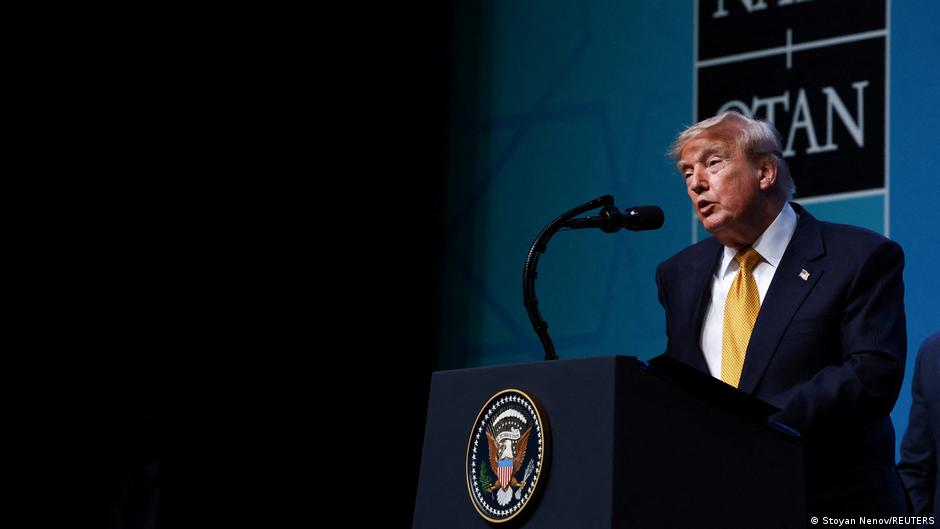
The latest report from a reputable news source has shed light on the Trump administration's alleged attempts to bypass the federal election agency, sparking controversy and raising questions about the integrity of the US electoral system. According to the report, the White House explored declaring a national emergency to address alleged vulnerabilities in voting machines before Trump ousted leaders of the Election Assistance Commission (EAC).
Background of the Election Assistance Commission
The EAC is an independent agency responsible for ensuring the integrity and efficiency of the US electoral system. Established in 2002, the agency's primary mission is to provide guidance, resources, and support to state and local election officials to improve the administration of elections. The EAC also plays a crucial role in testing and certifying voting systems to ensure their accuracy, security, and reliability.
Alleged Vulnerabilities in Voting Machines
The report suggests that the Trump administration was concerned about alleged vulnerabilities in voting machines, which could potentially be exploited by malicious actors to influence the outcome of elections. While the report does not provide specific details about the nature of these vulnerabilities, it is widely acknowledged that voting systems can be vulnerable to cyber threats and other forms of interference. In recent years, there have been several instances of voting machine hacking and other forms of election interference, which have raised concerns about the integrity of the electoral system.
However, it is essential to note that the EAC and other election security experts have consistently emphasized that the risk of voting machine hacking is relatively low, particularly in the US, where elections are decentralized and voting systems are subject to rigorous testing and certification. Moreover, many states and localities have implemented robust security measures to protect their voting systems, including paper trails, audits, and other forms of verification.
Trump's Ousting of EAC Leaders
The report also reveals that Trump ousted the leaders of the EAC, which has raised questions about the motivations behind this move. The EAC is led by a bipartisan commission of four members, who are appointed by the President and confirmed by the Senate. In 2020, Trump removed the chairman and vice chairman of the EAC, citing concerns about the agency's performance and effectiveness. However, critics argue that this move was politically motivated and intended to undermine the agency's independence and authority.
The ousting of the EAC leaders has been widely criticized by election security experts and advocacy groups, who argue that it undermines the integrity of the electoral system and creates uncertainty about the agency's role in ensuring election security. The EAC plays a critical role in providing guidance and support to state and local election officials, and its independence and authority are essential to maintaining public trust in the electoral system.
Implications of Declaring a National Emergency
The report suggests that the Trump administration explored declaring a national emergency to address alleged vulnerabilities in voting machines. Declaring a national emergency would have given the President sweeping powers to take action to address the perceived threat, including the ability to bypass the EAC and other election security measures. However, this move would have been highly controversial and potentially unconstitutional, as it would have undermined the authority of the EAC and other election security agencies.
Moreover, declaring a national emergency would have created a precedent for future administrations to use emergency powers to interfere with the electoral system, which could have far-reaching consequences for democracy and the rule of law. The US electoral system is designed to be decentralized and subject to checks and balances, and any attempts to centralize power or undermine the authority of election security agencies would be deeply troubling.
Reaction from Election Security Experts
Election security experts have reacted with alarm to the report, arguing that it highlights the need for greater transparency and accountability in the electoral system. "This report is a wake-up call for the need for greater oversight and accountability in the electoral system," said one expert. "The idea that the President would consider declaring a national emergency to bypass the EAC and other election security measures is deeply troubling and raises serious questions about the integrity of the system."
Other experts have emphasized the importance of maintaining the independence and authority of the EAC and other election security agencies. "The EAC plays a critical role in ensuring the integrity and efficiency of the electoral system," said another expert. "Any attempts to undermine its authority or independence would be a threat to democracy and the rule of law."
Conclusion
In conclusion, the report highlights the need for greater transparency and accountability in the electoral system. The alleged attempts by the Trump administration to bypass the EAC and other election security measures are deeply troubling and raise serious questions about the integrity of the system. As the US prepares for future elections, it is essential that election security experts, policymakers, and the public remain vigilant and work to maintain the integrity and efficiency of the electoral system.
The report also underscores the importance of maintaining the independence and authority of the EAC and other election security agencies. These agencies play a critical role in ensuring the integrity and efficiency of the electoral system, and any attempts to undermine their authority or independence would be a threat to democracy and the rule of law. As such, it is essential that policymakers and the public work to support and strengthen these agencies, rather than undermining their authority or independence.
Recommendations for Future Elections
Based on the report, several recommendations can be made for future elections. Firstly, it is essential that the EAC and other election security agencies are given the resources and support they need to ensure the integrity and efficiency of the electoral system. This includes providing adequate funding, personnel, and technical expertise to support the agency's mission.
Secondly, it is crucial that policymakers and the public remain vigilant and work to maintain the independence and authority of the EAC and other election security agencies. This includes opposing any attempts to undermine the agency's authority or independence, and supporting efforts to strengthen and improve the electoral system.
Thirdly, it is essential that election security experts, policymakers, and the public work together to promote transparency and accountability in the electoral system. This includes providing regular updates and information about the security and integrity of the electoral system, as well as supporting efforts to improve the system and address any vulnerabilities or weaknesses.
Finally, it is crucial that the US electoral system is subject to regular audits and assessments to ensure its integrity and efficiency. This includes conducting regular security audits and risk assessments, as well as supporting efforts to improve the system and address any vulnerabilities or weaknesses.
Final Thoughts
In final thoughts, the report highlights the need for greater transparency and accountability in the electoral system. The alleged attempts by the Trump administration to bypass the EAC and other election security measures are deeply troubling and raise serious questions about the integrity of the system. As the US prepares for future elections, it is essential that election security experts, policymakers, and the public remain vigilant and work to maintain the integrity and efficiency of the electoral system.
The report also underscores the importance of maintaining the independence and authority of the EAC and other election security agencies. These agencies play a critical role in ensuring the integrity and efficiency of the electoral system, and any attempts to undermine their authority or independence would be a threat to democracy and the rule of law. As such, it is essential that policymakers and the public work to support and strengthen these agencies, rather than undermining their authority or independence.
Follow Buzztoday24 for more updates.

No comments:
Post a Comment