
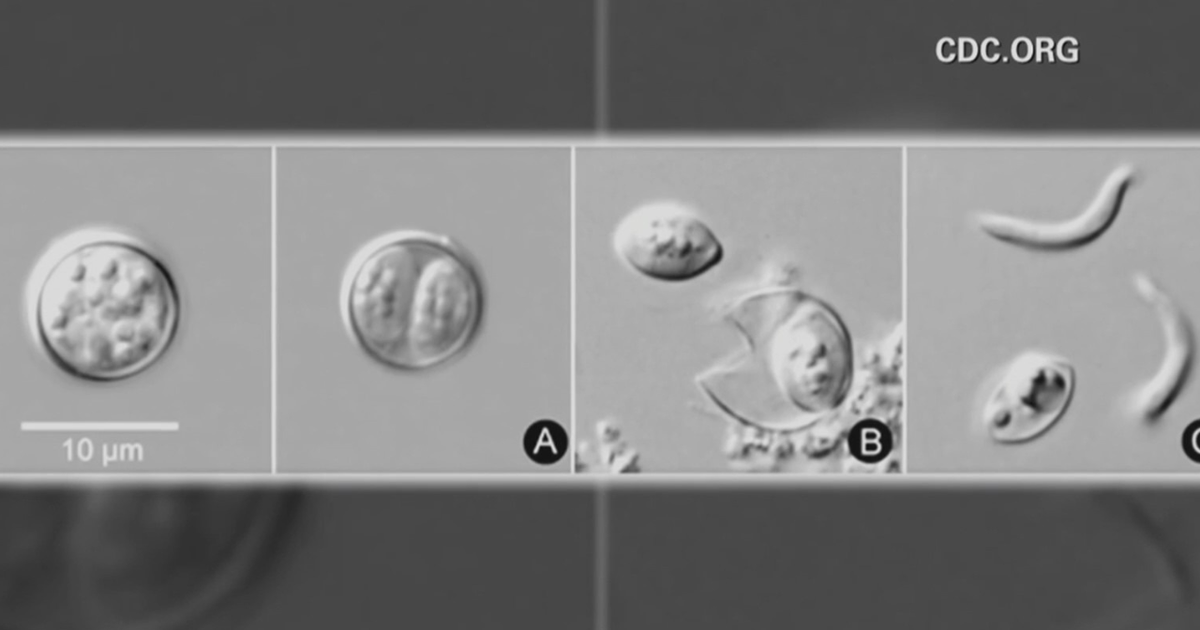
The United States is currently grappling with a significant outbreak of Cyclosporiasis, a parasitic illness that causes severe diarrhea, among other symptoms. According to recent reports, the number of cases in Maryland has increased by dozens since May 1, contributing to a nationwide total of hundreds of infected individuals across at least 18 states. This outbreak has raised concerns about the safety of the food supply and the need for increased awareness about the risks of Cyclosporiasis.
What is Cyclosporiasis?
Cyclosporiasis is a parasitic illness caused by the Cyclospora cayetanensis parasite. This parasite is typically found in contaminated food or water and can cause a range of symptoms, including severe diarrhea, abdominal cramps, and weight loss. In some cases, the illness can also lead to more serious complications, such as dehydration and malnutrition. The Centers for Disease Control and Prevention (CDC) reports that Cyclosporiasis is usually spread through the consumption of contaminated produce, such as berries, herbs, and leafy greens.
Outbreak in Maryland
According to the Maryland Department of Health, the number of reported Cyclosporiasis cases in the state has increased significantly since May 1. While the exact number of cases is not publicly available, officials confirm that dozens of new cases have been reported in recent weeks. This surge in cases has prompted health officials to issue warnings about the risks of Cyclosporiasis and to advise residents to take precautions when consuming potentially contaminated foods.
The Maryland outbreak is part of a larger national trend, with at least 18 states reporting cases of Cyclosporiasis. The CDC is working closely with state and local health officials to investigate the source of the outbreak and to identify measures to prevent further spread of the illness. As the investigation continues, residents are advised to remain vigilant and to take steps to protect themselves and their families from the risks of Cyclosporiasis.
Nationwide Response to the Outbreak
The CDC has activated its Emergency Operations Center to coordinate the national response to the Cyclosporiasis outbreak. This response includes working with state and local health officials to investigate the source of the outbreak, as well as providing guidance to healthcare providers and the public on how to prevent and treat the illness. The CDC is also collaborating with the US Food and Drug Administration (FDA) to identify potentially contaminated food products and to take steps to remove them from the market.
In addition to the CDC's efforts, state and local health departments are also playing a critical role in responding to the outbreak. These agencies are responsible for investigating reported cases, providing guidance to healthcare providers, and educating the public about the risks of Cyclosporiasis. By working together, health officials aim to bring the outbreak under control and to prevent further spread of the illness.
Prevention and Treatment
While the exact source of the Cyclosporiasis outbreak is still under investigation, health officials recommend that residents take precautions to protect themselves from the risks of the illness. This includes washing hands frequently, especially after using the bathroom and before handling food. It is also essential to wash fruits and vegetables thoroughly before consumption and to cook them properly to kill any potential parasites.
In terms of treatment, Cyclosporiasis is typically treated with antibiotics, such as trimethoprim-sulfamethoxazole. In some cases, patients may also require hospitalization to manage complications such as dehydration. Healthcare providers are advised to be vigilant for symptoms of Cyclosporiasis, especially in patients who have recently traveled or consumed potentially contaminated foods.
Residents who suspect that they may have contracted Cyclosporiasis are advised to seek medical attention immediately. Early diagnosis and treatment are critical to preventing complications and reducing the risk of long-term health effects. By working together, healthcare providers, health officials, and the public can help to bring the outbreak under control and to prevent further spread of the illness.
Food Safety and the Cyclosporiasis Outbreak
The Cyclosporiasis outbreak has raised concerns about the safety of the food supply and the need for increased awareness about the risks of foodborne illness. The FDA is working closely with the CDC and state and local health officials to identify potentially contaminated food products and to take steps to remove them from the market. In the meantime, residents are advised to be cautious when consuming potentially contaminated foods, such as berries, herbs, and leafy greens.
Food safety experts recommend that residents take steps to protect themselves from the risks of foodborne illness, including washing hands frequently, separating raw and cooked foods, and cooking foods to the recommended internal temperature. It is also essential to be aware of the risks of foodborne illness and to take precautions when consuming foods that may be contaminated.
Long-term Consequences of the Outbreak
The Cyclosporiasis outbreak has significant implications for public health, both in the short and long term. In the short term, the outbreak has the potential to cause widespread illness and to disrupt daily life, especially for those who are infected. In the long term, the outbreak may have lasting consequences for the food supply and for the health and well-being of individuals who are infected.
Health officials are working to mitigate the long-term consequences of the outbreak by identifying the source of the illness and taking steps to prevent further spread. This includes working with the food industry to improve food safety practices and to reduce the risk of contamination. By taking a proactive approach to food safety, health officials aim to prevent future outbreaks and to protect the public from the risks of foodborne illness.
In conclusion, the Cyclosporiasis outbreak is a significant public health concern that requires immediate attention and action. By working together, health officials, healthcare providers, and the public can help to bring the outbreak under control and to prevent further spread of the illness. It is essential to remain vigilant and to take precautions to protect ourselves and our families from the risks of Cyclosporiasis.
As the investigation into the outbreak continues, residents are advised to stay informed and to follow the latest guidance from health officials. By staying informed and taking precautions, we can all play a role in preventing the spread of Cyclosporiasis and protecting the health and well-being of our communities.
What You Can Do to Protect Yourself
There are several steps that you can take to protect yourself from the risks of Cyclosporiasis. These include:
Washing your hands frequently, especially after using the bathroom and before handling food
Washing fruits and vegetables thoroughly before consumption
Cooking foods to the recommended internal temperature
Avoiding consuming potentially contaminated foods, such as berries, herbs, and leafy greens
Seeking medical attention immediately if you suspect that you may have contracted Cyclosporiasis
By taking these precautions, you can help to protect yourself and your family from the risks of Cyclosporiasis. Remember, it is always better to err on the side of caution when it comes to food safety and to take steps to prevent the spread of illness.
Conclusion
The Cyclosporiasis outbreak is a significant public health concern that requires immediate attention and action. By working together, health officials, healthcare providers, and the public can help to bring the outbreak under control and to prevent further spread of the illness. It is essential to remain vigilant and to take precautions to protect ourselves and our families from the risks of Cyclosporiasis.
As the investigation into the outbreak continues, residents are advised to stay informed and to follow the latest guidance from health officials. By staying informed and taking precautions, we can all play a role in preventing the spread of Cyclosporiasis and protecting the health and well-being of our communities.
Follow Buzztoday24 for more updates.
إرسال تعليق