
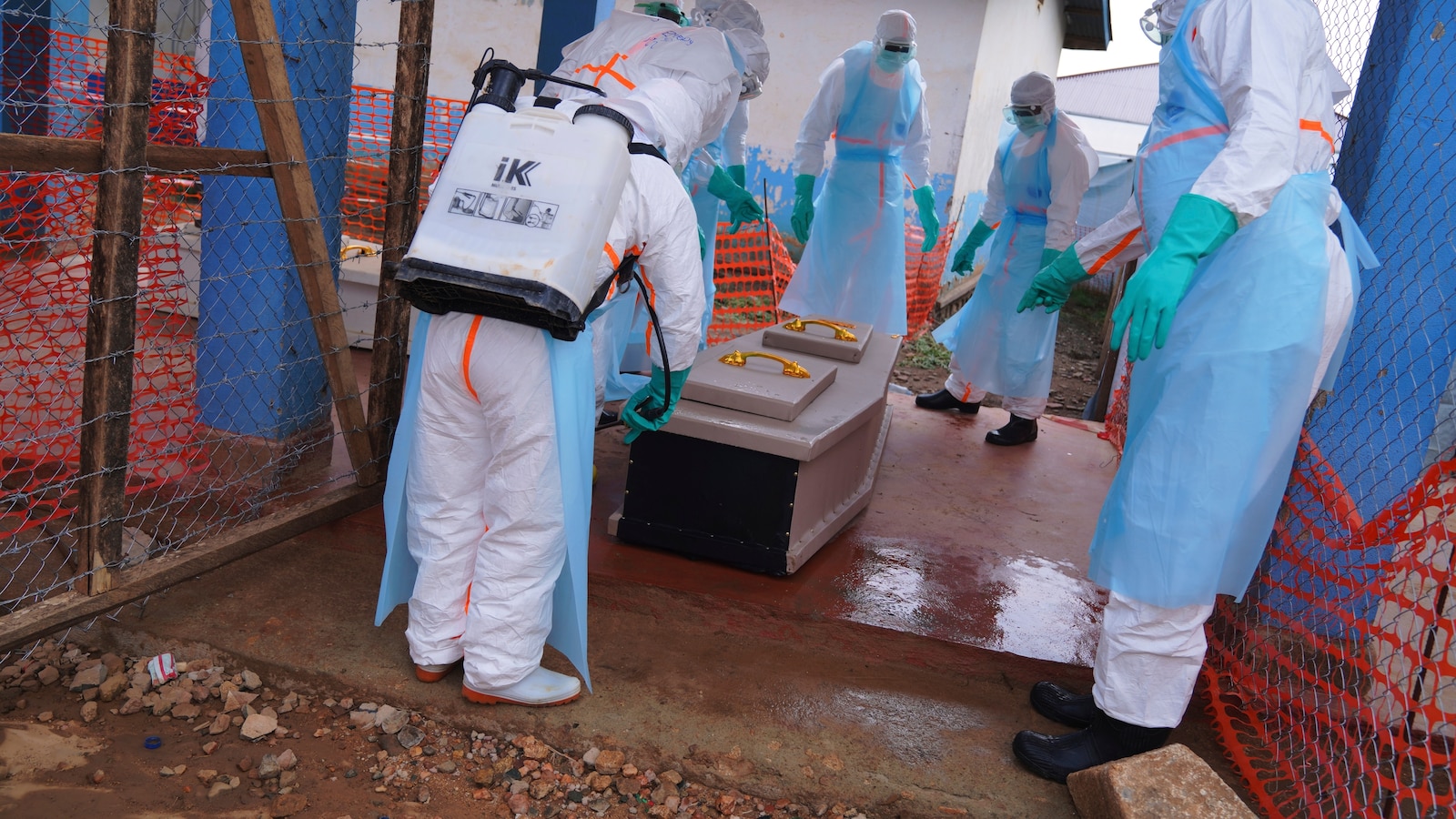
Understanding the Ebola Virus
The **Ebola virus** is a highly contagious and deadly disease that spreads through human-to-human contact. It is characterized by symptoms such as fever, vomiting, and bleeding, and can be fatal if left untreated. The virus is typically spread through direct contact with infected bodily fluids, such as blood, sweat, and saliva. The current outbreak in Congo has been particularly challenging to contain, due to the remote and densely populated nature of the affected areas.Factors Contributing to the Rapid Spread
Several factors have contributed to the rapid spread of the **Ebola outbreak** in Congo. These include: * **Limited access to healthcare**: Many of the affected areas have limited access to healthcare facilities, making it difficult for patients to receive timely treatment. * **Lack of awareness**: In some areas, there is a lack of awareness about the disease, leading to delayed reporting and treatment. * **Conflict and displacement**: The affected areas have been plagued by conflict and displacement, making it challenging for health workers to access the areas and contain the outbreak. * **Poor infrastructure**: The lack of basic infrastructure, such as roads and communication networks, has hindered the response efforts.Response Efforts
Despite the challenges, health authorities and aid organizations have been working tirelessly to contain the outbreak. These efforts include: * **Vaccination campaigns**: Vaccination campaigns have been launched to immunize healthcare workers and people who have come into contact with infected individuals. * **Contact tracing**: Health workers are tracing contacts of infected individuals to identify and isolate potential cases. * **Treatment centers**: Treatment centers have been set up to provide care to patients and prevent further transmission. For the latest updates on the **Ebola outbreak**, visit our website. You can also find more information on the **Ebola virus** and the ongoing response efforts.Global Response
The international community has come together to respond to the outbreak. The World Health Organization (WHO) has declared the outbreak a **public health emergency of international concern**, and has mobilized resources and expertise to support the response efforts. According to WHO, the outbreak has the potential to spread to other countries, and therefore requires a coordinated global response. As the situation continues to unfold, it is essential to stay informed and up-to-date on the latest developments. You can find more information on the outbreak and the response efforts on our website, or by visiting reputable sources such as Bloomberg or Reuters. In conclusion, the current **Ebola outbreak** in Congo is a cause for concern, with the death toll rising rapidly and the disease spreading at a rate that surpasses the worst outbreak on record. It is essential to stay informed and support the response efforts to contain the outbreak and prevent further spread. For more information on the **latest news** and updates, visit our website. The situation is constantly evolving, and it is crucial to stay vigilant and take necessary precautions to prevent the spread of the disease. By working together and supporting the response efforts, we can help contain the outbreak and prevent further loss of life. Stay tuned for further updates and follow us for the latest **Trending News**.Follow Buzztoday24 for more updates.
Post a Comment