

NASA's Quest for Enhanced Rover Capabilities
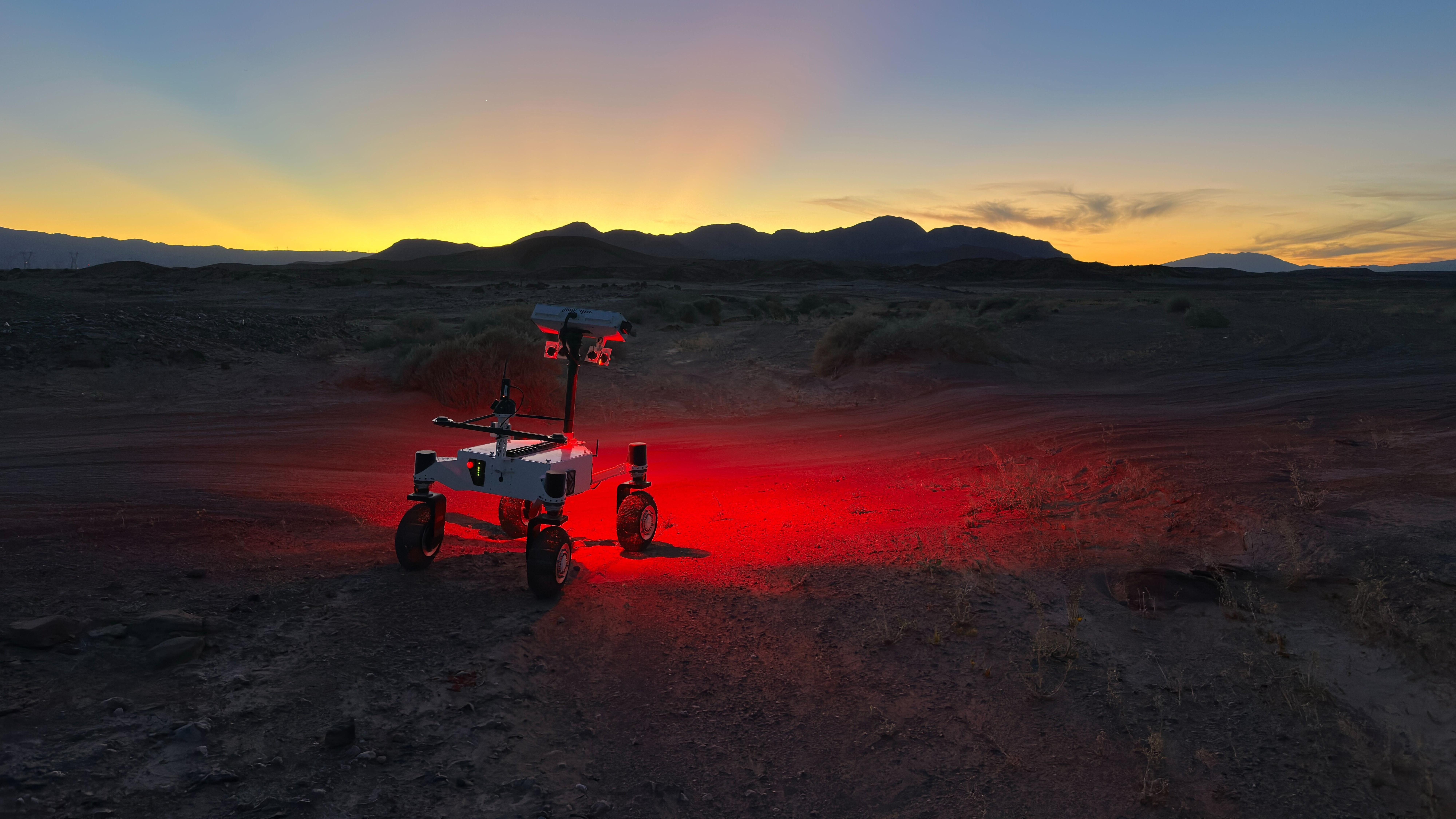
NASA's Jet Propulsion Laboratory (JPL) is pushing the boundaries of space exploration with the development of a prototype rover designed to tackle the most rugged and challenging terrain on the Moon and Mars. This cutting-edge technology is expected to play a crucial role in future lunar and Red Planet missions, enabling scientists to explore previously inaccessible areas and uncover new secrets of the universe. Advanced Rover Design The prototype rover features a new design that allows it to navigate through difficult terrain with greater ease and agility. Equipped with advanced wheels and a sophisticated suspension system, the rover can climb steep slopes, traverse rocky terrain, and withstand harsh environmental conditions. This innovative design is the result of extensive research and testing by NASA's JPL team, who are working tirelessly to refine the capabilities of the rover and prepare it for future missions.Key Features of the Prototype Rover
Some of the key features of the prototype rover include:- Advanced Wheel Design: The rover's wheels are designed to provide maximum traction and stability, allowing it to navigate through rough terrain with ease.
- Sophisticated Suspension System: The rover's suspension system is designed to absorb shocks and maintain stability, even in the most challenging terrain.
- Enhanced Navigation System: The rover is equipped with an advanced navigation system that enables it to map its surroundings and navigate through unknown terrain.
- Improved Communication System: The rover features an advanced communication system that allows it to transmit data back to Earth in real-time, providing scientists with valuable insights into the Martian and lunar environments.
Future Implications
The development of this prototype rover has significant implications for future lunar and Mars missions. With its advanced capabilities and robust design, the rover is expected to play a key role in upcoming missions, including the Mars 2022 and Artemis programs. These missions aim to return humans to the Moon and establish a sustainable presence on the lunar surface, with the ultimate goal of sending humans to Mars in the 2030s. The prototype rover is also expected to pave the way for new scientific discoveries and breakthroughs. By exploring previously inaccessible areas of the Moon and Mars, scientists hope to gain a deeper understanding of the geological and environmental history of these celestial bodies. This knowledge will be crucial in helping us better understand the origins of our solar system and the potential for life beyond Earth.Conclusion
NASA's Jet Propulsion Laboratory is at the forefront of space exploration, pushing the boundaries of what is possible with its advanced rover technology. The prototype rover is a significant step forward in the development of future lunar and Mars missions, and its advanced capabilities are expected to play a crucial role in upcoming missions. As we continue to explore and discover new wonders of the universe, the work of NASA's JPL team will remain at the heart of this journey, driving innovation and advancing our understanding of the cosmos.Stay tuned to Buzztoday24 for more updates.





0 Comments