
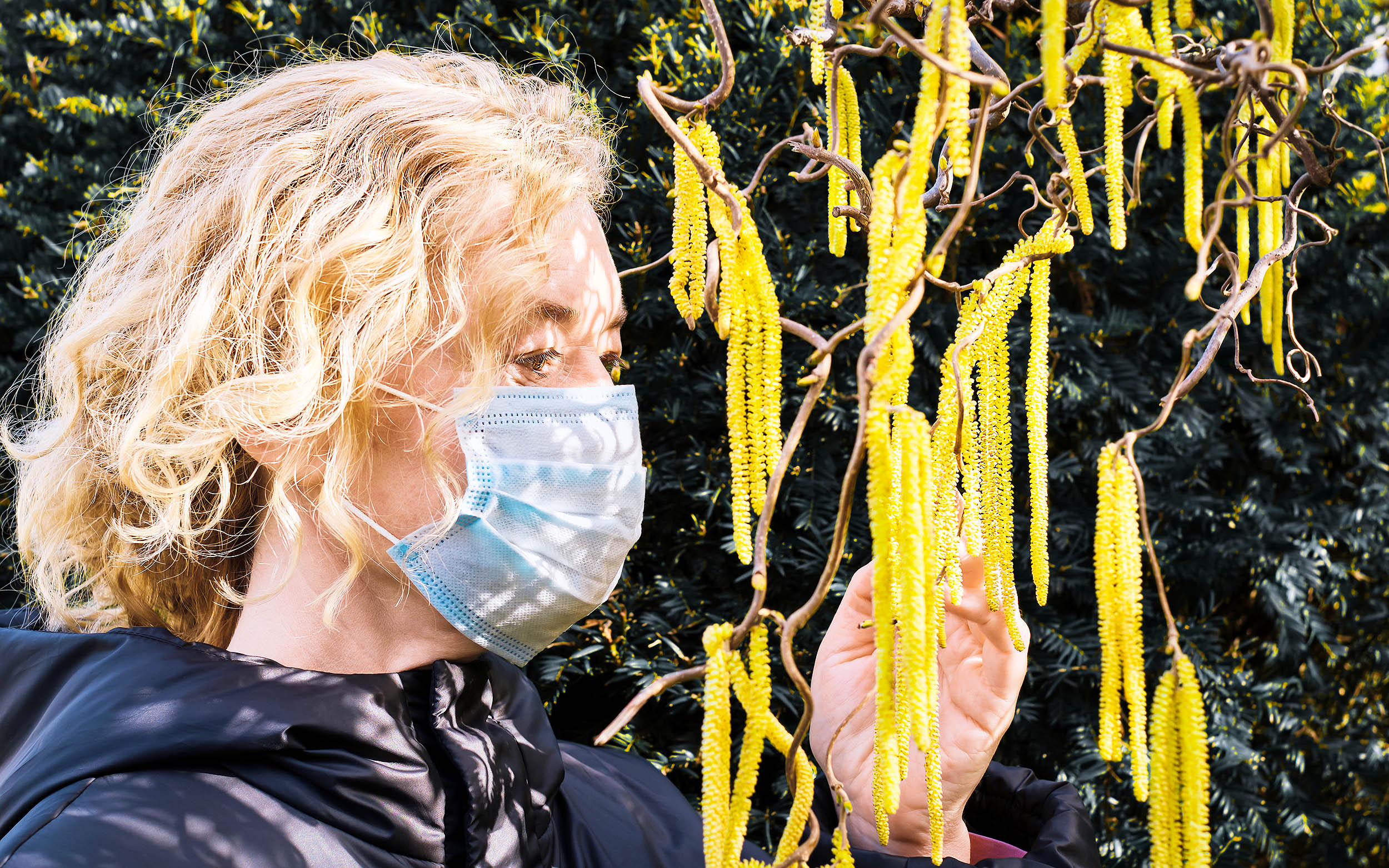
Pollen Allergy Season: A Growing Concern for Urban Residents
The arrival of pollen allergy season is a dreaded time for millions of people around the world. The constant sneezing, runny nose, and itchy eyes can be debilitating, making everyday tasks a challenge. While climate change is often blamed for the increasing severity and duration of pollen allergy season, recent research suggests that another factor is at play: artificial light from cities.
The Impact of Artificial Light on Plant Life
Artificial light, often referred to as light pollution, has been shown to disrupt the natural timing of plant life. In urban areas, the constant glow of streetlights, buildings, and homes can trick plants into producing pollen for a longer period, extending the allergy season. This phenomenon is not limited to a specific type of plant, as many species are affected by the artificial light, including trees, grasses, and weeds.
How Artificial Light Affects Plant Growth and Pollen Production
Plants have an internal clock that regulates their growth and development, including the production of pollen. This internal clock is controlled by the amount of daylight and darkness the plant receives. In natural environments, the decreasing daylight hours in the fall trigger plants to stop producing pollen, marking the end of the allergy season. However, in urban areas, the artificial light can delay this process, causing plants to continue producing pollen for a longer period.
Furthermore, artificial light can also affect the quality and quantity of pollen produced by plants. Research has shown that plants exposed to artificial light can produce more allergy-inducing pollen, exacerbating the symptoms of people with pollen allergies. This is particularly concerning in urban areas, where the concentration of people and plants is higher, increasing the potential for allergic reactions.
The Consequences for Human Health
The extension of pollen allergy season due to artificial light has significant consequences for human health. For people with pre-existing allergies, the prolonged exposure to pollen can lead to more severe symptoms, including respiratory problems, such as asthma. In addition, the increased pollen count can trigger new allergies in people who were previously not affected, further exacerbating the health burden.
The economic burden of pollen allergy season should not be overlooked either. The extended season can lead to increased healthcare costs, lost productivity, and decreased quality of life for those affected. Moreover, the impact on mental health should not be underestimated, as the constant symptoms can lead to anxiety, depression, and stress.
Urban Planning and the Role of Artificial Light
Urban planning plays a crucial role in mitigating the effects of artificial light on plant life and human health. By incorporating green spaces and parks into city design, urban planners can reduce the amount of artificial light and create more natural environments. This can help to minimize the disruption to plant life and reduce the pollen count in urban areas.
Additionally, urban planners can use smart lighting technologies that minimize light pollution, such as LED streetlights that are designed to emit less light upwards and outwards. These technologies can help to reduce the amount of artificial light that enters the environment, allowing plants to follow their natural growth patterns and reducing the pollen count.
Climate Change: A Secondary Factor
While climate change is often blamed for the increasing severity and duration of pollen allergy season, research suggests that its impact is secondary to that of artificial light. Climate change can lead to warmer temperatures, changing precipitation patterns, and increased CO2 levels, all of which can affect plant growth and pollen production. However, the direct impact of artificial light on plant life and human health is more significant.
That being said, climate change can still play a role in exacerbating pollen allergy season. Rising temperatures can lead to earlier springs and later autumns, extending the growing season and allowing plants to produce more pollen. Moreover, changes in precipitation patterns can lead to more frequent and severe droughts, which can stress plants and increase their pollen production.
Mitigating the Effects of Pollen Allergy Season
While the extension of pollen allergy season due to artificial light is a significant concern, there are steps that can be taken to mitigate its effects. Individuals can take precautions such as wearing masks, using air purifiers, and avoiding outdoor activities during peak pollen hours. Additionally, cities can implement policies to reduce light pollution, such as turning off streetlights during late hours or using smart lighting technologies.
Moreover, researchers are exploring new ways to reduce pollen counts and alleviate allergy symptoms. For example, some studies have shown that certain plant species can absorb or break down pollen, reducing the amount of allergens in the air. Further research is needed to develop effective strategies for mitigating the effects of pollen allergy season, but the potential for innovation is vast.
Conclusion
In conclusion, the extension of pollen allergy season due to artificial light is a significant concern for urban residents. While climate change plays a role in exacerbating the issue, the direct impact of artificial light on plant life and human health is more profound. By understanding the causes and consequences of pollen allergy season, we can take steps to mitigate its effects and create healthier, more sustainable urban environments.
As we move forward, it is essential to consider the impact of artificial light on plant life and human health. By incorporating green spaces, using smart lighting technologies, and reducing light pollution, we can minimize the disruption to plant life and reduce the pollen count in urban areas. Moreover, by supporting research and innovation, we can develop effective strategies for alleviating allergy symptoms and improving public health.
Ultimately, the key to mitigating the effects of pollen allergy season lies in a comprehensive approach that involves urban planning, research, and individual action. By working together, we can create a healthier, more sustainable future for all, where the burden of pollen allergy season is minimized, and the quality of life is improved.
Follow Buzztoday24 for more updates.
Post a Comment