
The US-Iran Conflict: A New Low in Transatlantic Relations
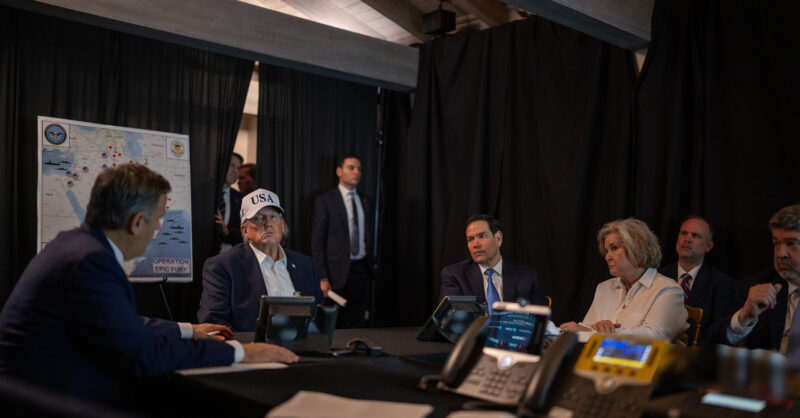
The recent escalation of tensions between the United States and Iran, marked by missile strikes against the Islamic Republic, has once again highlighted the deepening rift between America and Europe. In the aftermath of the attacks, Ursula von der Leyen, the European Commission President, was quick to call for de-escalation, underscoring the concerns of European leaders about the unpredictability of American foreign policy. The Maga movement, known for its "America First" ideology, has long been skeptical of Europe, viewing the continent as a bastion of liberal values and globalism. The latest developments in the Middle East have only served to confirm these fears, with many proponents of the movement arguing that Europe is out of touch with American interests. This perception is not limited to the Maga movement, as many Americans have begun to question the relevance and effectiveness of transatlantic cooperation. At the heart of this divide is a fundamental disagreement over the role of Europe in global affairs. While America has historically seen itself as a global leader, Europe has sought to promote a more multilateral approach to international relations. This difference in perspective has led to repeated clashes between the two sides, with the Iran nuclear deal being a notable example. The US withdrawal from the agreement, despite European efforts to salvage it, has been seen as a betrayal of trust and a departure from the collaborative approach that has characterized transatlantic relations in the past. The consequences of this rift are far-reaching and have significant implications for global stability and security. As the US and Europe drift further apart, other powers, such as China and Russia, are likely to exploit these divisions to their advantage. This could lead to a more fragmented and unpredictable world order, where regional conflicts are more likely to escalate into global crises. Some of the key concerns and implications of the US-Iran conflict and its impact on transatlantic relations include:- Regional instability: The conflict has the potential to destabilize the entire Middle East, with far-reaching consequences for global security.
- Economic repercussions: The disruption of oil supplies and trade routes could have significant economic implications, affecting not only the US and Europe but also other regions that rely on these resources.
- Global governance: The erosion of transatlantic cooperation and the rise of nationalism could lead to a more fragmented and less effective global governance system, undermining efforts to address pressing global challenges such as climate change and pandemics.
Stay tuned to Buzztoday24 for more updates.
Post a Comment