
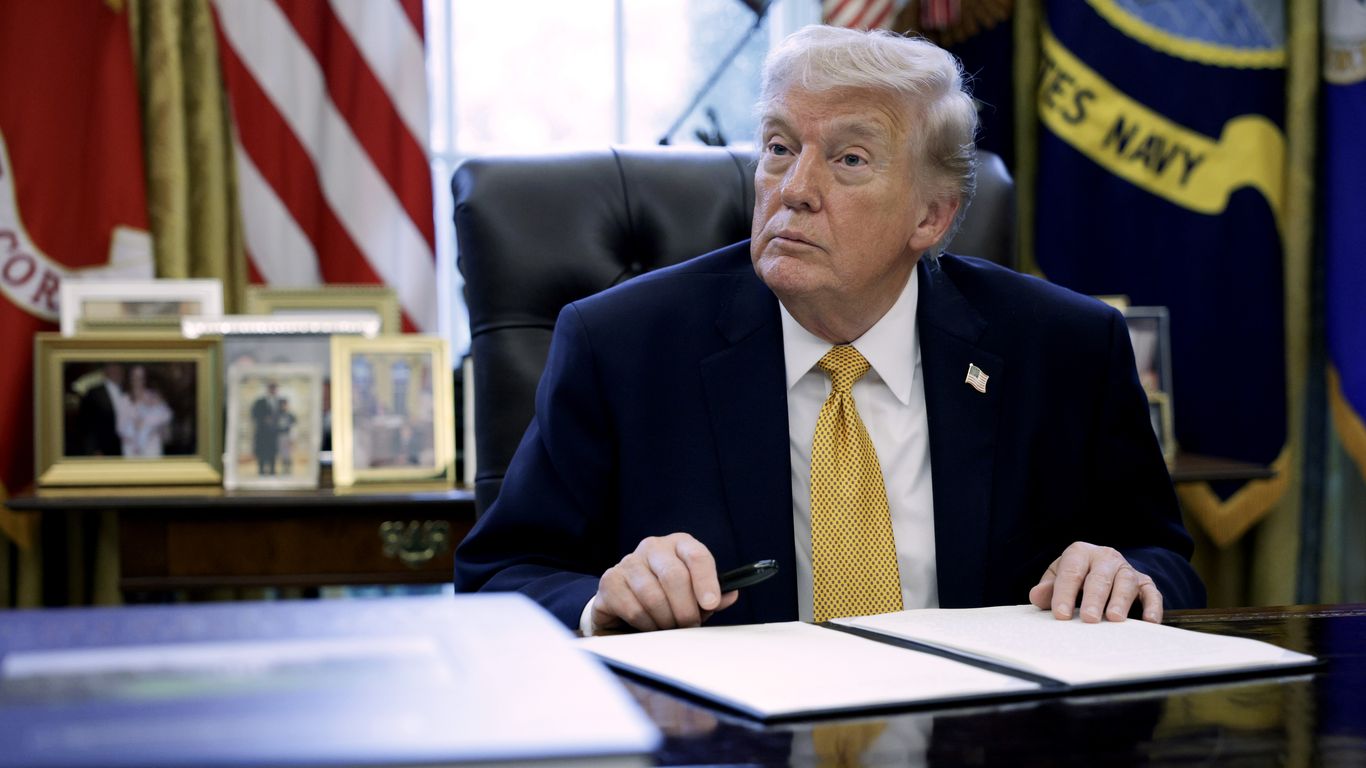
The Trump administration is reportedly exploring options for potential peace talks with Iran, marking a significant shift in the White House's approach to the Middle Eastern nation. According to recent reports, Trump's team is game planning for possible negotiations, signaling a desire to find a way out of the current tensions with Iran.
Background: US-Iran Relations
US-Iran relations have been strained for decades, with tensions escalating in recent years over issues such as Iran's nuclear program, ballistic missile tests, and support for militant groups in the region. The Trump administration has taken a hardline stance on Iran, withdrawing from the Joint Comprehensive Plan of Action (JCPOA), also known as the Iran nuclear deal, and reimposing economic sanctions on the country.
The Path to Peace Talks
However, it appears that the White House is now seeking a way out of the current impasse, with Trump's team actively exploring options for potential peace talks. This marks a significant departure from the administration's previous stance, which emphasized the need for Iran to make concessions before negotiations could take place. The shift in approach is likely driven by a desire to reduce tensions and avoid a potential military conflict with Iran.
The path to peace talks will not be easy, however. Iran has consistently demanded that the US lift economic sanctions and return to the JCPOA before negotiations can take place. The Trump administration, on the other hand, has insisted that Iran must make significant concessions, including halting its ballistic missile program and ending support for militant groups, before any talks can occur.
Stakes are High
The stakes are high for both the US and Iran, with the outcome of any potential peace talks having significant implications for the region and the world. A successful agreement could help to reduce tensions, promote stability, and create new economic opportunities. However, failure to reach an agreement could lead to further escalation, potentially drawing in other countries and resulting in a wider conflict.
International Reaction
The international community is watching the developments with great interest, with many countries urging the US and Iran to engage in dialogue and find a peaceful resolution to their differences. European powers, in particular, have been actively seeking to salvage the JCPOA and promote diplomacy between the two nations. The United Nations has also called for calm and restraint, emphasizing the need for a peaceful solution to the crisis.
China and Russia, both of which have significant economic and strategic interests in the region, have also been involved in efforts to promote peace talks. China, in particular, has been seeking to play a mediating role, with its foreign minister, Wang Yi, recently meeting with Iranian officials to discuss ways to reduce tensions and promote dialogue.
Trump's Motivations
So, what is driving Trump's desire for peace talks with Iran? One possibility is that the president is seeking to fulfill a key campaign promise, namely to negotiate a better deal with Iran than the one achieved by his predecessor, Barack Obama. Trump has long been critical of the JCPOA, which he claims is a "disaster" and a "terrible deal" that fails to address Iran's ballistic missile program and support for militant groups.
Another possibility is that Trump is seeking to distract from domestic issues, such as the ongoing impeachment inquiry and the 2020 presidential election. By focusing on foreign policy and the potential for a major diplomatic breakthrough, Trump may be attempting to shift the narrative and boost his ratings with voters.
Iran's Perspective
From Iran's perspective, the possibility of peace talks with the US is likely to be viewed with skepticism. The Iranian government has consistently stated that it will not negotiate with the US until economic sanctions are lifted and the US returns to the JCPOA. Iran's supreme leader, Ayatollah Ali Khamenei, has also emphasized the need for the US to demonstrate its commitment to any agreement, given its history of withdrawing from international deals.
Iran has also been seeking to promote its own diplomatic efforts, including a recent visit by Iranian Foreign Minister Mohammad Javad Zarif to Europe, where he met with officials from several countries, including France, Germany, and the UK. Iran has also been engaging with other regional powers, such as Turkey and Qatar, in an effort to build alliances and promote its interests.
What's Next?
So, what's next for US-Iran relations? While the possibility of peace talks is a positive development, it's clear that significant challenges lie ahead. The US and Iran will need to navigate a complex web of issues, including economic sanctions, ballistic missiles, and support for militant groups, in order to reach a comprehensive agreement.
A Role for Europe
European powers, such as France, Germany, and the UK, could play a key role in facilitating peace talks between the US and Iran. These countries have significant economic and diplomatic ties with Iran and have been actively seeking to promote dialogue and reduce tensions. By working together, the US and Europe could help to create a framework for negotiations and provide the necessary support to ensure a successful outcome.
The European Union has also been working to promote diplomacy between the US and Iran, with its foreign policy chief, Federica Mogherini, recently meeting with US Secretary of State Mike Pompeo to discuss ways to reduce tensions and promote dialogue. The EU has also been providing significant economic support to Iran, including a special purpose vehicle to facilitate trade and bypass US sanctions.
Conclusion
In conclusion, the possibility of peace talks between the US and Iran is a significant development, with major implications for the region and the world. While challenges lie ahead, it's clear that both sides have a strong interest in reducing tensions and finding a peaceful resolution to their differences. As the situation continues to evolve, it's likely that we'll see a major diplomatic effort to facilitate talks and reach a comprehensive agreement.
The outcome of any potential peace talks will depend on a range of factors, including the willingness of both sides to make concessions and the ability of the international community to provide support and facilitate dialogue. One thing is certain, however: the stakes are high, and the world will be watching with great interest as this story continues to unfold.
Final Thoughts
As we look to the future, it's clear that US-Iran relations will remain a major issue in international politics. The possibility of peace talks offers a glimmer of hope for a more peaceful and stable region, but it's also clear that significant challenges lie ahead. By working together and promoting diplomacy, the US, Iran, and the international community can help to create a brighter future for all parties involved.
The Trump administration's decision to explore potential peace talks with Iran is a significant departure from its previous stance, and it remains to be seen how this will play out in the coming weeks and months. One thing is certain, however: the world will be watching with great interest as this story continues to evolve, and the outcome will have major implications for the region and the world.
Follow Buzztoday24 for more updates.
Post a Comment