
Introduction
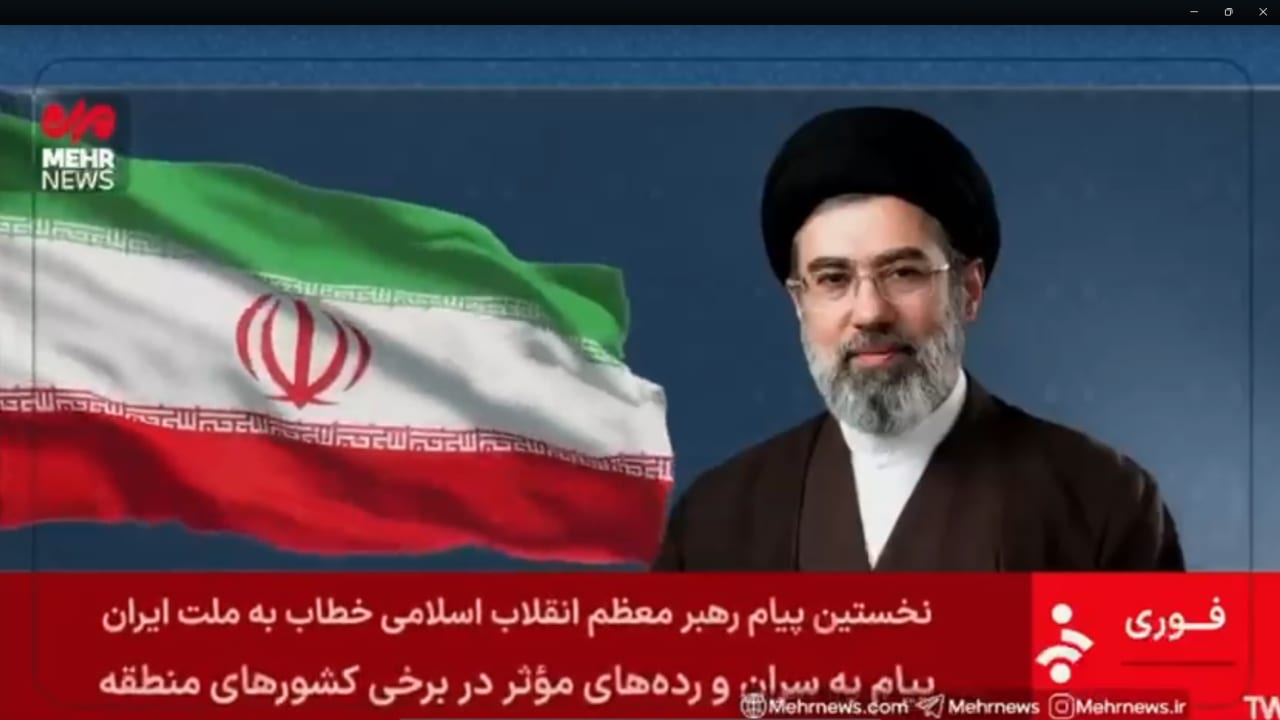
The Iranian regime has been shrouded in mystery for decades, with the ruling clerics and military leaders maintaining a tight grip on power. However, recent reports suggest that the power dynamics within the regime are undergoing a significant shift. Mojtaba Khamenei, the son of Supreme Leader Ayatollah Ali Khamenei, has been reported to be alive, but it appears that the Islamic Revolutionary Guard Corps (IRGC) is now calling the shots. In this article, we will delve into the implications of this power shift and what it means for the future of Iran.
Background: The Iranian Regime's Power Structure
To understand the significance of the power shift, it is essential to comprehend the current power structure within the Iranian regime. The Supreme Leader, Ayatollah Ali Khamenei, has been the highest authority in Iran since 1989. He is responsible for appointing key officials, including the president, the head of the judiciary, and the commanders of the armed forces. The IRGC, which is a branch of the Iranian military, has been a crucial player in the regime's power structure, with its leaders holding significant influence over the government and the economy.
The Rise of the IRGC
In recent years, the IRGC has been steadily increasing its power and influence within the regime. The IRGC has been involved in various aspects of Iranian life, including the economy, politics, and social affairs. The corps has also been responsible for suppressing dissent and opposition, both within Iran and abroad. With its vast resources and network of loyalists, the IRGC has become a dominant force within the Iranian regime.
Mojtaba Khamenei's Role in the Regime
Mojtaba Khamenei, the son of Ayatollah Ali Khamenei, has been a significant figure in the Iranian regime for many years. He has been involved in various aspects of Iranian politics and has held key positions, including serving as the chief of staff to the Supreme Leader. Mojtaba Khamenei has been seen as a potential successor to his father and has been groomed for leadership roles within the regime. However, recent reports suggest that his influence may be waning, and the IRGC is now the dominant force.
Implications of the Power Shift
The power shift in favor of the IRGC has significant implications for the future of Iran. The IRGC is known for its hardline stance on various issues, including relations with the West and the nuclear program. With the IRGC in charge, Iran may adopt a more aggressive approach to international relations, which could lead to increased tensions with neighboring countries and global powers. Additionally, the power shift may also lead to a crackdown on dissent and opposition within Iran, as the IRGC seeks to consolidate its power and suppress any potential threats to its rule.
Reactions from the International Community
The international community has been watching the developments in Iran with great interest. The European Union, in particular, has been seeking to strengthen ties with Iran, including the signing of the Joint Comprehensive Plan of Action (JCPOA) in 2015. However, the power shift in favor of the IRGC may complicate these efforts, as the IRGC is known for its skepticism towards the West. The United States, which has been a long-time critic of the Iranian regime, may also see the power shift as an opportunity to increase pressure on Iran, particularly with regards to its nuclear program and human rights record.
What's Next for Iran?
As the power shift in favor of the IRGC becomes more apparent, the future of Iran remains uncertain. The IRGC may seek to consolidate its power and suppress any opposition, leading to a more authoritarian regime. Alternatively, the power shift may lead to a period of instability and infighting within the regime, as different factions vie for control. One thing is clear, however: the power shift in favor of the IRGC marks a significant turning point in Iranian history, and its implications will be felt for years to come.
Insights from Well-Informed Sources
According to well-informed sources, the IRGC's control over Mojtaba Khamenei is a sign of the corps' growing influence within the regime. "The more likely scenario is that the Revolutionary Guards are controlling him, not the other way around," one source stated, adding that "in a few days, we will probably know more." These comments suggest that the power shift is not just a matter of speculation but is based on concrete evidence and insider knowledge.
Conclusion
In conclusion, the power shift in favor of the IRGC marks a significant development in Iranian politics. The implications of this shift are far-reaching, and the future of Iran remains uncertain. As the international community watches with great interest, it is essential to understand the complexities of the Iranian regime and the power dynamics at play. The IRGC's rise to prominence may lead to a more aggressive and authoritarian regime, which could have significant consequences for regional and global stability. Stay tuned for further updates and analysis on this developing story.
Recommendations for Further Reading
For those seeking to learn more about the Iranian regime and the power shift in favor of the IRGC, we recommend the following resources:
- The Jerusalem Post: "Mojtaba Khamenei alive but regime power shift favors IRGC"
- The New York Times: "Iran's Revolutionary Guard Corps: A Primer"
- Al Jazeera: "Iran's power struggle: What's at stake?"
Final Thoughts
The power shift in favor of the IRGC is a significant development that will have far-reaching consequences for Iran and the international community. As the situation continues to unfold, it is essential to stay informed and up-to-date on the latest developments. At buzztoday24.com, we will continue to provide in-depth analysis and coverage of the Iranian regime and the power shift, so be sure to check back for further updates and insights.
Follow Buzztoday24 for more updates.
Post a Comment