
Introduction to the Crisis
Oil prices have witnessed significant fluctuations in recent times, and the latest catalyst for this volatility is President Trump's threat concerning the Strait of Hormuz. This strait, located between Iran and Oman, is a critical passage for international oil supplies, with a substantial portion of the world's oil passing through it. The threat has led to increased concerns among traders and investors, who are worried about the potential risks to oil transit in this key waterway.
Understanding the Strait of Hormuz
The Strait of Hormuz is a narrow waterway that connects the Persian Gulf to the Gulf of Oman and the Arabian Sea. It is approximately 90 nautical miles long and 21-25 nautical miles wide at its narrowest point. The strait is a vital passage for oil tankers, with over 20% of the world's oil supply passing through it. The strategic importance of the strait cannot be overstated, as it provides the only sea route for oil exports from Iran, Iraq, Kuwait, Qatar, and the United Arab Emirates.
Trump's Threat and Its Implications
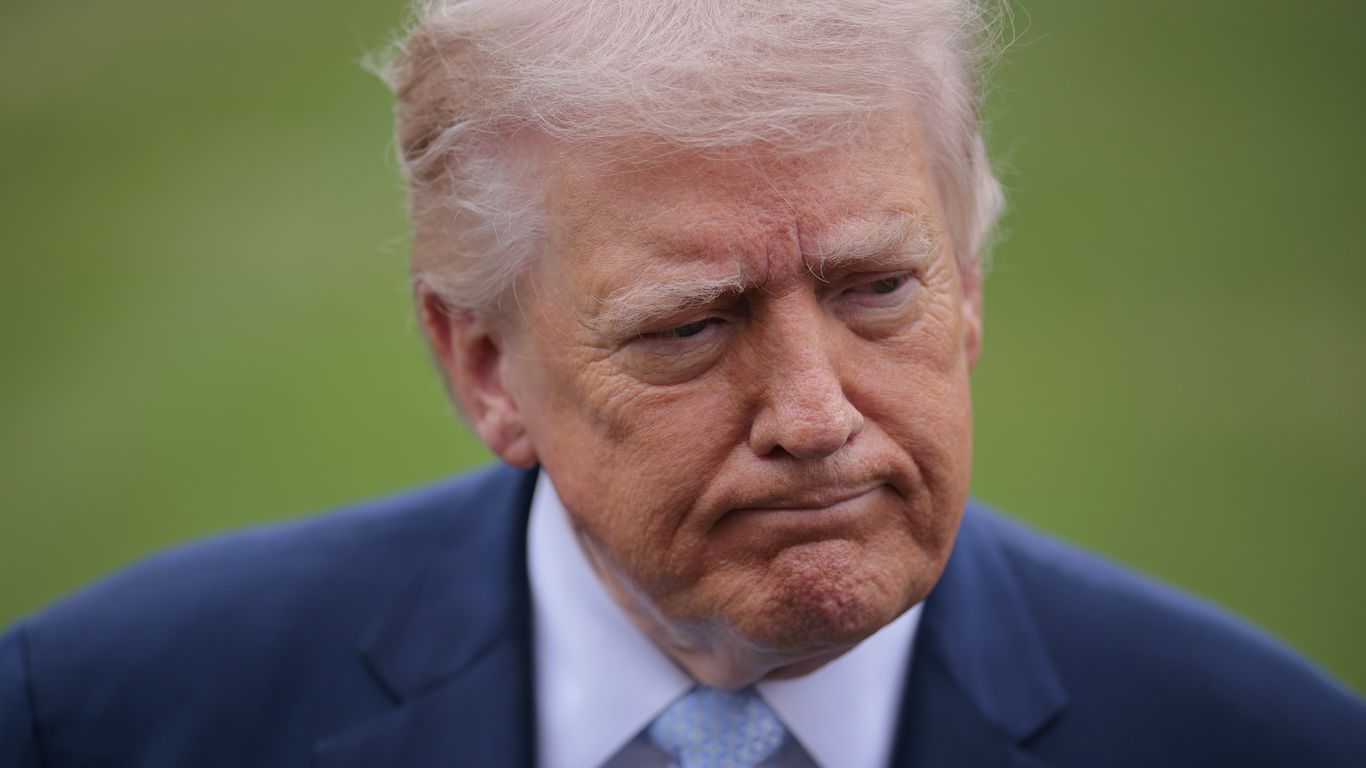
President Trump's threat to the Strait of Hormuz has been perceived as a significant escalation of tensions in the region. The threat has been seen as a response to Iran's perceived aggression in the region, including the downing of a US drone and attacks on oil tankers. The US has been actively working to build a coalition to protect oil tankers and other commercial vessels in the region, following the attacks on several tankers in recent months.
Volatility in Oil Prices
The threat to the Strait of Hormuz has led to a significant increase in oil prices, as traders and investors worry about the potential disruption to oil supplies. The price of Brent crude, the international benchmark for oil prices, has risen by over 10% in recent weeks, reaching $65 per barrel. The increase in oil prices has been driven by concerns about the potential risks to oil transit in the Strait of Hormuz, as well as the broader geopolitical tensions in the region.
Traders' Reactions to the Threat
Traders have been closely monitoring the situation, and many believe that the threat to the Strait of Hormuz will have a significant impact on oil prices. Some traders have even gone so far as to predict that oil prices could rise to over $100 per barrel if the strait is closed or if there is a significant disruption to oil supplies. However, others have taken a more cautious approach, arguing that the US and its allies have the military capability to keep the strait open and ensure the safe passage of oil tankers.
Risks to Oil Transit
The Strait of Hormuz is a critical passage for oil tankers, and any disruption to oil transit in the strait could have far-reaching consequences for the global economy. The strait is a narrow waterway, and any attempt to close it or disrupt oil supplies could lead to a significant increase in oil prices. The risks to oil transit in the strait are not limited to military action, as there is also a risk of accidents or environmental damage, which could have a significant impact on oil supplies.
Global Implications of the Crisis
The crisis in the Strait of Hormuz has significant implications for the global economy, as any disruption to oil supplies could lead to higher energy costs and slower economic growth. The US, China, and other major economies are heavily reliant on oil imports, and any increase in oil prices could have a significant impact on inflation and economic growth. The situation is being closely monitored by policymakers and economists, who are working to mitigate the risks to the global economy.
Efforts to Ease Tensions
There are ongoing efforts to ease tensions in the region and reduce the risks to oil transit in the Strait of Hormuz. The US and its allies have been working to build a coalition to protect oil tankers and other commercial vessels in the region, and there have been reports of diplomatic efforts to resolve the crisis. However, the situation remains volatile, and any miscalculation or escalation of tensions could lead to a significant increase in oil prices.
Long-Term Implications of the Crisis
The crisis in the Strait of Hormuz has significant long-term implications for the global energy market. The threat to the strait has highlighted the risks of relying on a single waterway for oil supplies, and there are likely to be increased efforts to diversify oil supplies and reduce dependence on the strait. The crisis has also highlighted the need for increased investment in renewable energy sources and energy efficiency measures, as the world seeks to reduce its reliance on fossil fuels and mitigate the risks of climate change.
Conclusion
In conclusion, the crisis in the Strait of Hormuz has significant implications for the global energy market and the economy. The threat to the strait has led to increased volatility in oil prices, and there are concerns about the potential risks to oil transit in the region. Traders and investors are closely monitoring the situation, and policymakers are working to mitigate the risks to the global economy. As the situation continues to unfold, it is likely that there will be ongoing volatility in oil prices, and the world will be watching closely to see how the crisis is resolved.
Expert Analysis
Experts believe that the crisis in the Strait of Hormuz is a complex issue that requires a nuanced approach. "The situation is highly volatile, and any miscalculation or escalation of tensions could lead to a significant increase in oil prices," said one expert. "However, it is also important to recognize that the US and its allies have the military capability to keep the strait open and ensure the safe passage of oil tankers." As the situation continues to unfold, it is likely that there will be ongoing debate and analysis of the crisis, and experts will be watching closely to see how the situation is resolved.
Recommendations for Investors
For investors, the crisis in the Strait of Hormuz is a reminder of the importance of diversifying their portfolios and reducing their exposure to risks. "Investors should be cautious about investing in oil and gas stocks, as the volatility in oil prices could lead to significant losses," said one analyst. "However, there are also opportunities for investors to benefit from the crisis, such as investing in renewable energy sources or energy efficiency measures." As the situation continues to unfold, it is likely that there will be ongoing advice and guidance for investors, and they will need to stay informed and up-to-date on the latest developments.
Follow Buzztoday24 for more updates.
Post a Comment