
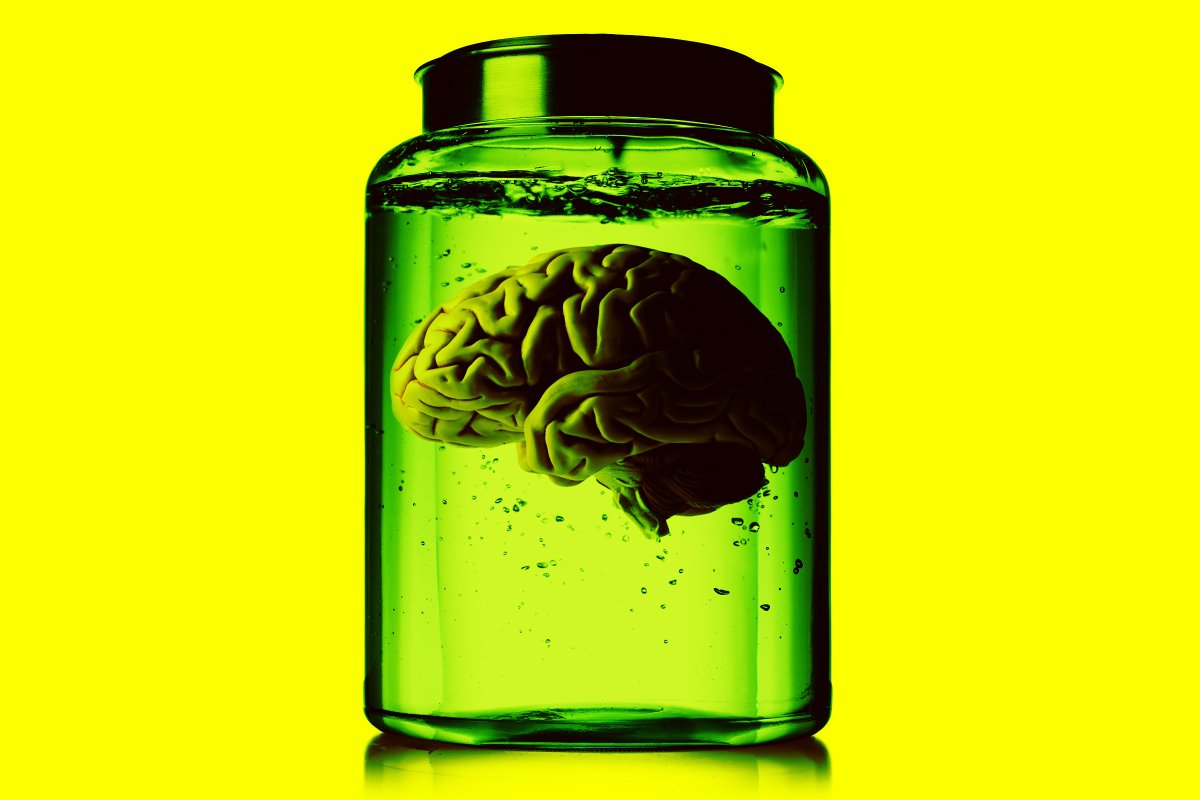
Introduction to Lab-Grown Brains
The concept of lab-grown brains, also known as brain organoids, has been around for several years. These miniature brains are created by culturing stem cells in a laboratory, allowing scientists to study brain development, function, and disease in a controlled environment. Recently, a team of scientists from the University of California, Santa Cruz has made a significant breakthrough in this field, pushing the boundaries of what is possible with lab-cultured brains.The Breakthrough
The team of scientists, led by Dr. [Name], has successfully created lab-grown brains that are more powerful and complex than ever before. By using a novel combination of growth factors and culture conditions, the researchers were able to induce the formation of more sophisticated brain structures, including neural networks and synapses. This achievement has significant implications for the field of neuroscience and could potentially lead to new treatments for neurological disorders. Key Findings The study's key findings include:- The creation of lab-grown brains with more complex neural networks and synapses
- The development of brain structures that are similar to those found in human brains
- The potential for lab-grown brains to be used in the study of neurological disorders, such as Alzheimer's and Parkinson's disease
- The possibility of using lab-grown brains to test new treatments and therapies for brain disorders
Implications and Future Directions
The breakthrough achieved by the University of California, Santa Cruz team has significant implications for the field of neuroscience. The creation of more complex and powerful lab-grown brains could lead to a better understanding of brain function and disease, and could potentially pave the way for new treatments and therapies. Some potential applications of this technology include:- Studying the development and progression of neurological disorders
- Testing new treatments and therapies for brain disorders
- Developing personalized medicine approaches for neurological diseases
- Creating brain-computer interfaces and other neurotechnological devices
Challenges and Limitations
While the breakthrough achieved by the University of California, Santa Cruz team is significant, there are still many challenges and limitations to overcome. For example:- Lab-grown brains are still relatively simple compared to human brains
- There is a need for more advanced techniques for culturing and maintaining lab-grown brains
- There are ethical considerations surrounding the use of lab-grown brains for research and therapeutic purposes
Stay tuned to Buzztoday24 for more updates.
Post a Comment