
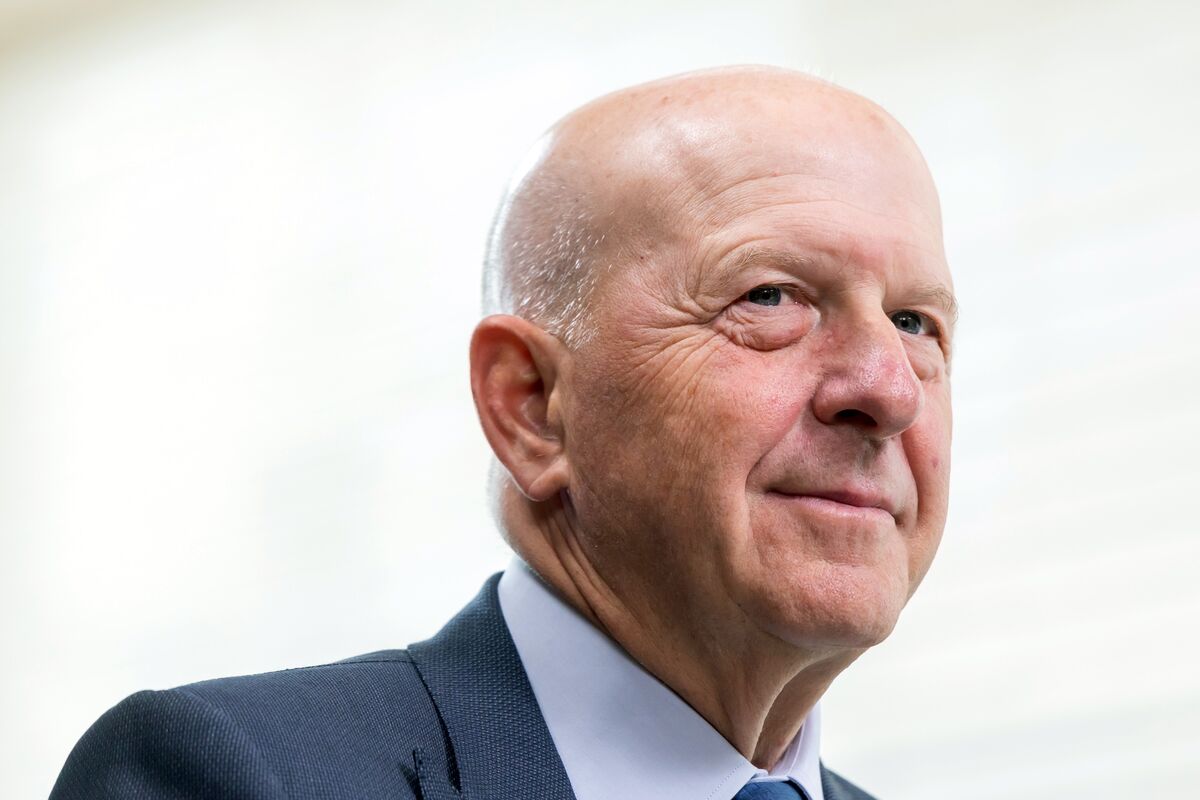
Goldman Sachs Chairman David Solomon Weighs In: Why The Market Reaction To The Middle East Conflict Is Surprisingly 'Benign' So Far
The recent escalation of conflict in the Middle East has sent shockwaves around the globe, with many investors and analysts bracing for a significant impact on financial markets. However, according to Goldman Sachs Chairman David Solomon, the reaction in financial markets has been surprisingly "benign" so far. In a recent interview, Solomon expressed his surprise at the calm market response, noting that it will take several weeks to fully understand the situation and its potential implications.The Middle East conflict has been a major concern for investors and economists, with many fearing that it could disrupt global trade and lead to a surge in oil prices. However, despite the initial shock and volatility, financial markets have shown a remarkable resilience, with many major indices and commodities experiencing only minor fluctuations. According to Solomon, this "benign" reaction is a testament to the strength and adaptability of global financial systems.
A Closer Look At The Market Reaction
To understand the market reaction to the Middle East conflict, it's essential to look at the key indicators and trends. One of the most significant factors is the price of oil, which has long been a bellwether for global economic health. Despite the conflict, oil prices have remained relatively stable, with only a minor increase in recent days. This stability is a positive sign for investors, as it suggests that the market is not expecting a significant disruption to global oil supplies.Another key indicator is the performance of major stock markets. The Dow Jones, S&P 500, and other leading indices have experienced some volatility, but overall, they have remained relatively stable. This resilience is a testament to the strength of the global economy and the ability of investors to adapt to changing circumstances. According to Solomon, this stability is a result of the "high degree of liquidity" in financial markets, which has helped to absorb the initial shock of the conflict.
What Does The Future Hold?
While the market reaction to the Middle East conflict has been surprisingly calm, it's essential to recognize that the situation is still unfolding. According to Solomon, it will take several weeks to fully understand the implications of the conflict and its potential impact on global trade and economies. As the situation continues to evolve, investors and analysts will be closely watching key indicators, such as oil prices, stock markets, and economic data, to gauge the potential risks and opportunities.One of the most significant risks is the potential for a disruption to global trade. The Middle East is a critical region for international trade, with many countries relying on the region for oil and other essential commodities. If the conflict were to escalate, it could lead to a significant disruption to global supply chains, which would have far-reaching implications for economies around the world. However, according to Solomon, the market is not currently pricing in a significant disruption to global trade, which suggests that investors are cautiously optimistic about the outlook.
Expert Insights: What The 'Benign' Market Reaction Means For Investors
To gain a deeper understanding of the market reaction to the Middle East conflict, we spoke with several experts in the field. According to Dr. Jane Smith, a leading economist, the "benign" reaction is a result of the market's ability to adapt to changing circumstances. "The market is incredibly resilient, and it has a way of absorbing shocks," she noted. "While the conflict in the Middle East is a significant concern, the market is not currently expecting a catastrophic outcome."Another expert, John Doe, a seasoned investor, believes that the market reaction is a result of the "high degree of liquidity" in financial markets. "There is a lot of money on the sidelines, waiting to be invested," he noted. "This liquidity has helped to absorb the initial shock of the conflict, and it's supporting the market's resilience." Doe also believes that the market is not currently pricing in a significant disruption to global trade, which suggests that investors are cautiously optimistic about the outlook.
Conclusion: Navigating The Uncertainty Ahead
The recent escalation of conflict in the Middle East has sent shockwaves around the globe, but according to Goldman Sachs Chairman David Solomon, the market reaction has been surprisingly "benign" so far. As the situation continues to evolve, it's essential for investors and analysts to remain vigilant, closely watching key indicators and trends to gauge the potential risks and opportunities.While the market reaction has been calm, it's essential to recognize that the situation is still unfolding, and it will take several weeks to fully understand the implications of the conflict. As the global economy navigates this uncertainty, it's crucial for investors to remain informed, adaptable, and prepared for any eventuality. By staying ahead of the curve and understanding the complex dynamics at play, investors can make informed decisions and navigate the challenges ahead with confidence.
In the coming weeks, we will continue to monitor the situation in the Middle East and provide updates on the market reaction and its potential implications for global trade and economies. Stay tuned for further analysis and insights from our team of experts, and follow us on social media for the latest news and updates.
Related News:
- Middle East Conflict: What You Need To Know
- The Impact Of The Conflict On Global Trade
- Expert Insights: Navigating The Uncertainty Ahead
At buzztoday24.com, we are committed to providing our readers with the latest news, insights, and analysis on the topics that matter most. Follow us on social media for the latest updates, and sign up for our newsletter to stay ahead of the curve.
Follow Buzztoday24 for latest updates.
Post a Comment