
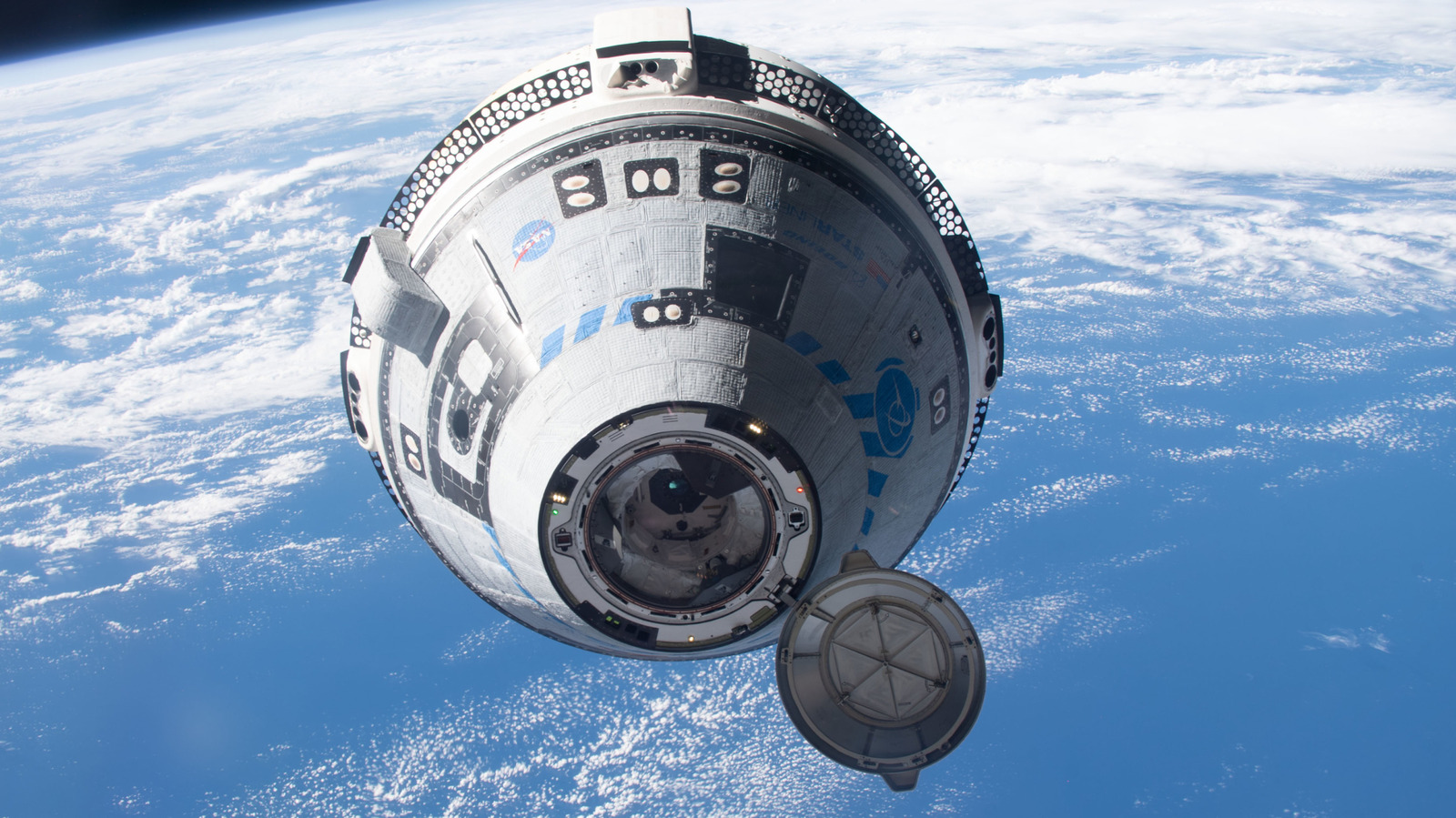
Get ready for a shocking revelation in the space community! NASA has officially classified the Boeing Starliner failure as a Maximum-Level Type A Mishap, but that's not the end of the story. Despite this significant setback, NASA is choosing to move forward with the project, albeit in a reduced capacity.
What Went Wrong with Starliner?
The Boeing Starliner spacecraft was designed to take astronauts to the International Space Station, but its initial test flight in December 2019 ended in disappointment. The spacecraft failed to reach the correct orbit, and although it landed safely back on Earth, the mission was deemed a failure.
Consequences of the Mishap
The classification of the Starliner failure as a Type A Mishap is significant, as it indicates a serious incident that could have resulted in loss of life or significant damage. However, NASA's decision to continue with the project demonstrates the agency's commitment to space exploration and its willingness to learn from mistakes.
- Key Findings: NASA's investigation into the Starliner failure highlighted several software issues and communication problems that contributed to the mishap.
- Corrective Actions: Boeing has been working to address these issues, and NASA is providing support to ensure that the necessary changes are implemented.
- Future Plans: The Starliner project is moving forward, with a planned uncrewed test flight scheduled for the near future, followed by a crewed mission later this year.
A New Chapter for Space Exploration
Despite the setbacks, NASA's decision to continue with the Starliner project is a testament to the agency's dedication to pushing the boundaries of space exploration. With the help of private companies like Boeing, NASA is working towards a future where commercial spaceflight becomes a reality, and astronaut safety remains a top priority.
Post a Comment