
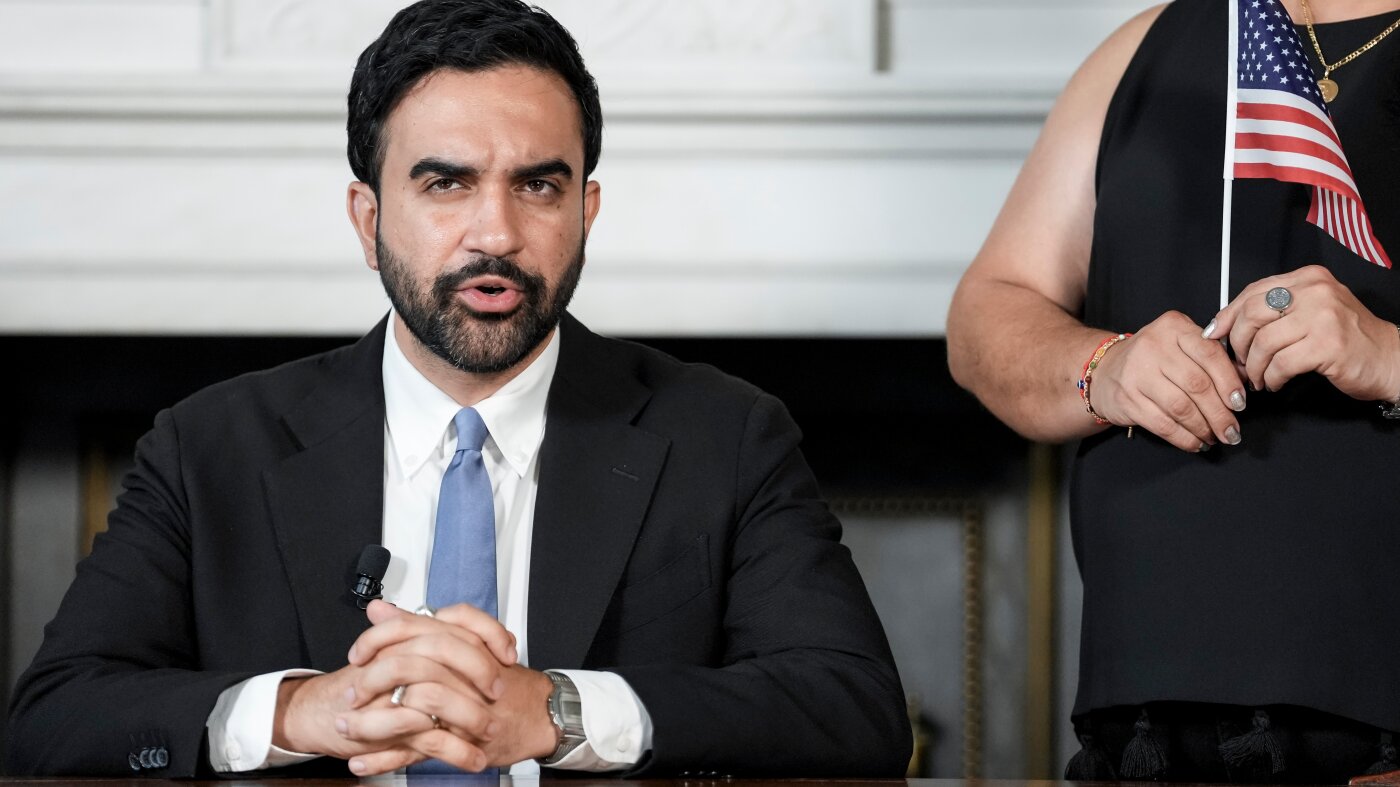
U.S. readers seeking a factual explanation of Mamdani’s statement, the ICC warrant, and the federal government’s legal position.
Accuracy note: The International Criminal Court issued Netanyahu’s arrest warrant in November 2024 over alleged war crimes and crimes against humanity. These are allegations, not convictions. Recent reporting says Mamdani concluded New York City lacks independent authority to enforce the warrant, while urging the federal government to act. President Trump has reportedly said Netanyahu will not be arrested in the United States.
What Did Mamdani Say About Netanyahu’s Arrest Warrant?
- H3: Why New York City says it lacks enforcement authority
- H3: Mamdani’s call for federal action
- H3: How his position differs from his earlier campaign pledge
LSI keywords: Zohran Mamdani, New York City mayor, Benjamin Netanyahu, ICC warrant, federal government
Why Did the International Criminal Court Issue a Warrant?
- H3: The ICC’s allegations against Netanyahu
- H3: Alleged starvation as a method of warfare
- H3: Alleged attacks on civilians and crimes against humanity
- H3: Why an arrest warrant is not a criminal conviction
LSI keywords: International Criminal Court, ICC arrest warrant, alleged war crimes, crimes against humanity, Gaza conflict
Can New York City Enforce an ICC Arrest Warrant?
- H3: The difference between an international warrant and a domestic arrest order
- H3: The limits of city and state law enforcement
- H3: Why jurisdiction matters in international criminal cases
LSI keywords: municipal authority, jurisdiction, international law, law enforcement powers, arrest authority
H2: Could the U.S. Federal Government Arrest Netanyahu?
- H3: The federal government’s claimed role
- H3: The United States and the International Criminal Court
- H3: The effect of presidential policy and diplomatic relations
- H3: Why federal authority does not automatically mean federal action
LSI keywords: U.S. federal government, White House, ICC membership, diplomatic immunity, presidential authority
What Has the Trump Administration Said?
- H3: Reports that Trump ruled out an arrest
- H3: U.S. opposition to the ICC
- H3: The tension between international accountability and foreign policy
LSI keywords: Donald Trump, U.S. foreign policy, ICC sanctions, Israel-U.S. relations, international justice
What Are the Broader Implications?
- H3: The debate over equal enforcement of international law
- H3: How the case affects the ICC’s credibility
- H3: Why supporters and critics disagree
- H3: What the controversy means for future leaders accused of war crimes
LSI keywords: accountability, rule of law, war-crimes prosecution, global justice, political immunity
What Happens Next?
- H3: Netanyahu’s potential travel to New York
- H3: Possible legal and diplomatic challenges
- H3: What readers should watch for from the ICC and U.S. officials
LSI keywords: Netanyahu U.N. visit, ICC enforcement, legal challenge, diplomatic fallout, international arrest warrant
Introduction Draft
The Mamdani Netanyahu arrest warrant dispute has exposed a major gap between international law and domestic enforcement. New York Mayor Zohran Mamdani said the city cannot independently execute the International Criminal Court’s warrant for Israeli Prime Minister Benjamin Netanyahu, but urged the federal government to arrest him if he enters the United States. The ICC alleges Netanyahu is responsible for war crimes and crimes against humanity, but those allegations have not resulted in a conviction. The controversy now centers on jurisdiction, U.S. foreign policy, and whether international justice can be enforced against powerful political leaders.
Image Alt Text Ideas
Zohran Mamdani speaking about the Netanyahu ICC arrest warrantBenjamin Netanyahu at a diplomatic event in the United StatesMap showing New York City and the International Criminal Court in The HagueInternational Criminal Court building in The HagueGraphic explaining the difference between an ICC warrant and a domestic arrest orderNew York City skyline illustrating the legal dispute over Netanyahu’s potential visit
Strong Conclusion Draft
The dispute over Mamdani, Netanyahu, and the ICC arrest warrant is ultimately a test of authority, accountability, and political will. New York City says it lacks the legal power to enforce the warrant, while Mamdani argues that the federal government should act. With the White House reportedly opposing an arrest, the case highlights the gap between an international court’s legal decisions and the national governments needed to enforce them. Any final analysis should separate the ICC’s allegations from proven criminal findings and explain the law without turning a complex diplomatic dispute into a settled conclusion.
Sources: ICC case information, NPR/AP report, and AP News.
إرسال تعليق