
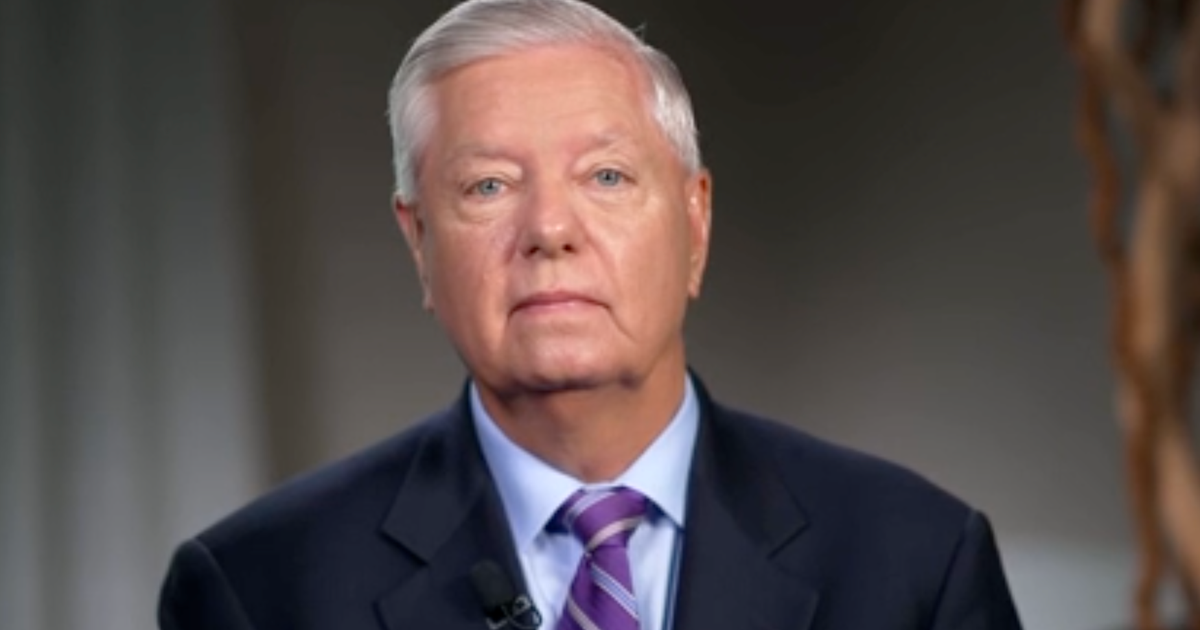
Senator Lindsey Graham's Stance on Iran Diplomacy
Recent statements from Senator Lindsey Graham of South Carolina have shed light on his perspective regarding the potential for a diplomatic solution with Iran. In a notable admission, Graham expressed that while he believes a diplomatic approach is likely to fail, he still supports attempting this route rather than dismissing it outright. The complexities of international relations, particularly in the context of the Middle East, often pose significant challenges for policymakers. The situation with Iran is no exception, with years of strained relations and disagreements over nuclear programs, among other issues. Graham's comments reflect a nuanced understanding of these challenges, acknowledging the skepticism many hold regarding the success of diplomatic endeavors with Iran.Graham's preference for exploring diplomatic channels, even with a pessimistic outlook on their success, underscores the importance of maintaining open lines of communication in international relations. This approach allows for the preservation of options and the potential for unexpected breakthroughs, should they occur. It also highlights the senator's pragmatic recognition of the costs and consequences associated with military action, which makes diplomacy, despite its challenges, a preferable initial strategy.
Context and Implications
The context in which Senator Graham's comments are made is critical. Ongoing tensions and the historical context of US-Iran relations play a significant role in shaping both domestic and international perceptions of diplomacy's viability. Key points to consider include:- Historical Context: The relationship between the US and Iran has been marked by periods of extreme tension, including the 1979 Iranian Revolution and the subsequent hostage crisis, as well as more recent disputes over Iran's nuclear program.
- Diplomatic Efforts: Previous attempts at diplomacy, such as the Joint Comprehensive Plan of Action (JCPOA) or Iran nuclear deal, have shown both promise and vulnerability to political shifts and geopolitical pressures.
- Current Tensions: Ongoing issues, including Proxy conflicts in the Middle East and concerns over ballistic missile development, contribute to the skepticism surrounding the potential for a successful diplomatic outcome.
- International Support: The success of any diplomatic solution may depend on the level of international support and cooperation, particularly from European allies and other regional actors.
Way Forward
As the international community navigates these complex issues, the stance of key figures like Senator Lindsey Graham is crucial. Advocating for a diplomatic solution, even with a dose of realism regarding its potential success, reflects a willingness to engage in the hard work of negotiation and compromise. This approach, while fraught with challenges, is essential for avoiding the devastating consequences of conflict and for laying the groundwork for a more stable and cooperative future.In conclusion, Senator Graham's comments on Iran diplomacy encapsulate the difficult balancing act faced by policymakers in addressing international conflicts. By supporting diplomatic efforts while being clear-eyed about the obstacles, Graham's position encapsulates the prudent and multifaceted approach required to navigate the intricate landscape of global politics.
Stay tuned to Buzztoday24 for more updates.
Post a Comment