
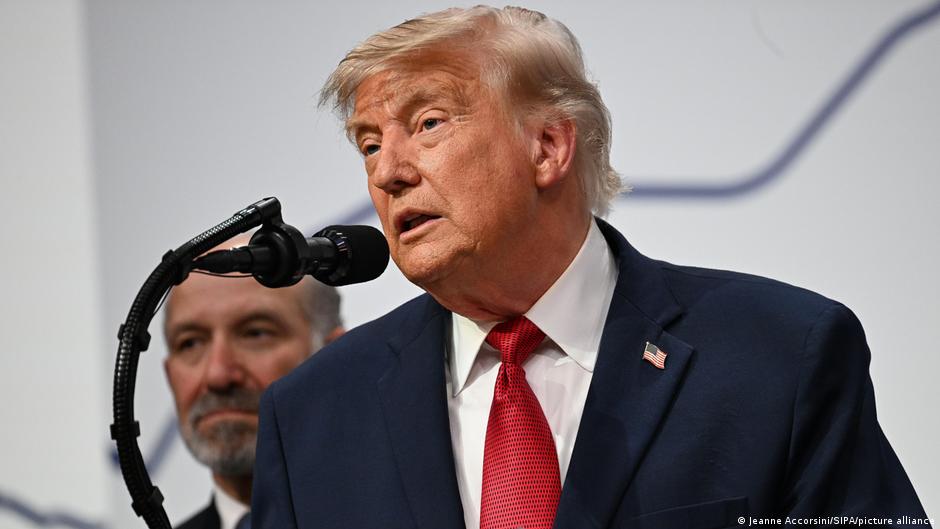
US Senate Votes to Limit Trump's War Powers
The US Senate has voted to pass a resolution that would limit President Trump's ability to wage war with Iran, in a rare rebuke of the President's authority. The resolution, which was passed with bipartisan support, aims to restrict Trump's power to launch military strikes against Iran without congressional approval. Bipartisan Support The resolution was passed with a vote of 55-45, with several Republicans joining Democrats to condemn Trump's actions. This rare display of bipartisan support is a significant blow to Trump's authority, and marks a rare break with the White House. The resolution is largely symbolic, as it is unlikely to be passed by the House of Representatives, but it sends a strong message to the President that his actions will not go unchallenged.Trump Criticizes the Resolution
Trump has criticized the resolution as "meaningless", claiming that it is an attempt to undermine his authority as Commander-in-Chief. However, the resolution's supporters argue that it is necessary to ensure that the President does not launch the country into another costly and unnecessary war.- The resolution is sponsored by Senator Tim Kaine, a Democrat from Virginia, and has the support of several Republicans, including Senator Mike Lee of Utah and Senator Rand Paul of Kentucky.
- The resolution aims to restrict the President's power to launch military strikes against Iran without congressional approval, and to ensure that any military action is subject to congressional oversight.
- The resolution is seen as a response to Trump's decision to launch a drone strike against Iranian General Qasem Soleimani, which sparked a significant escalation of tensions between the US and Iran.
- The resolution is also seen as a test of the President's authority, and a challenge to his ability to unilaterally launch military action without congressional approval.
Implications of the Resolution
The passage of the resolution has significant implications for the President's authority, and for the country's foreign policy. It marks a rare break with the White House, and suggests that Congress is willing to challenge the President on issues of war and national security. War Powers The resolution is also a significant development in the debate over war powers, and the role of Congress in authorizing military action. The Constitution grants Congress the power to declare war, but in recent years, Presidents have increasingly used their executive authority to launch military action without congressional approval.Conclusion
The US Senate's vote to limit Trump's war powers is a significant development in the debate over the President's authority, and the role of Congress in authorizing military action. While the resolution is largely symbolic, it sends a strong message to the President that his actions will not go unchallenged, and marks a rare break with the White House. As the country continues to grapple with the implications of the resolution, one thing is clear: the debate over war powers and presidential authority is far from over.Stay tuned to Buzztoday24 for more updates.
Post a Comment