
The Surprising Truth About Flavanols and Heart Health
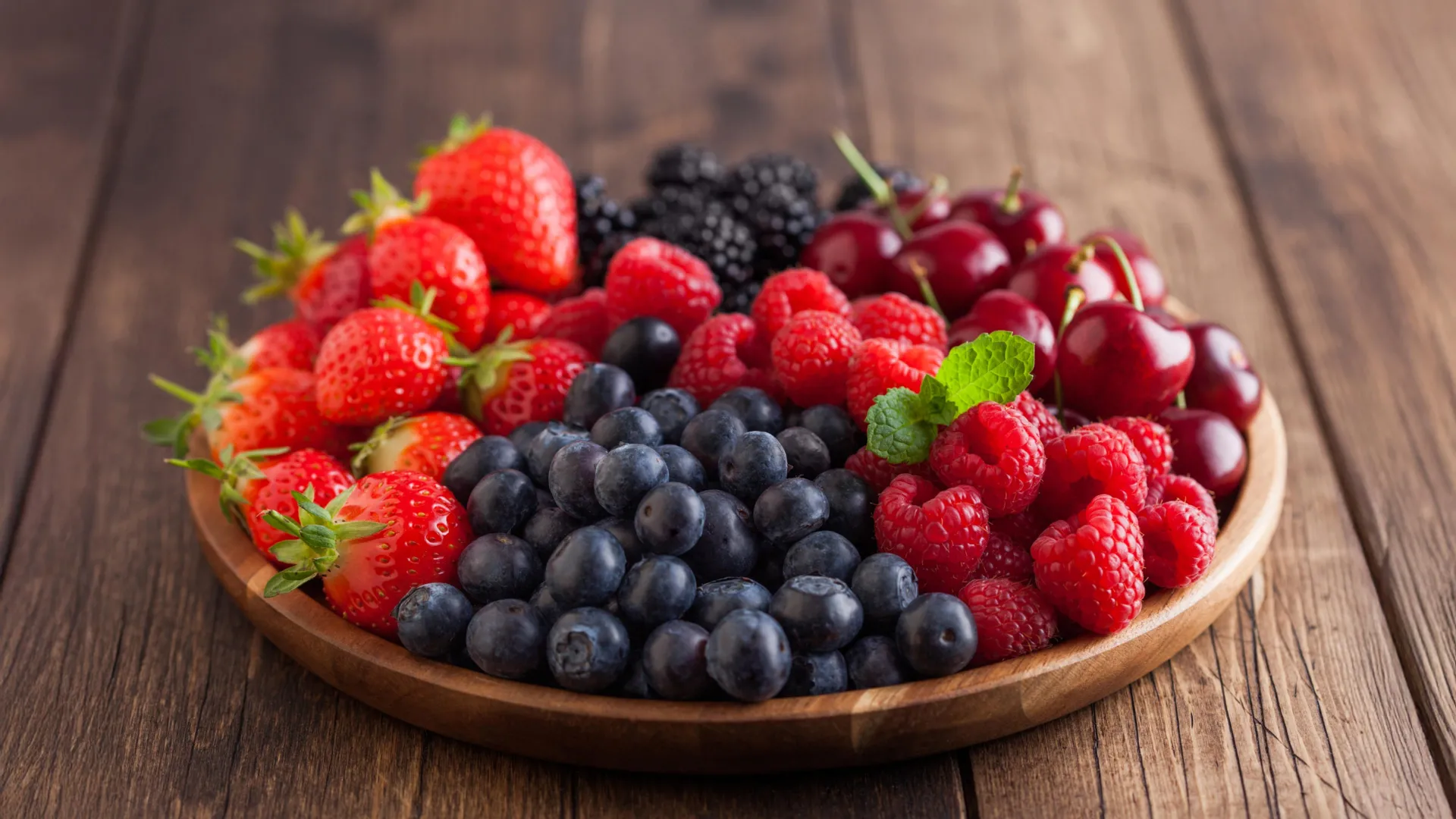
Eating a balanced diet with five servings of fruits and vegetables daily is often considered the key to maintaining good health. However, recent research suggests that this may not be enough to fully protect your heart. A group of compounds called flavanols, found in certain foods, has been linked to better heart health, and neglecting to include them in your diet could have significant consequences. What are Flavanols? Flavanols are a type of plant compound that belongs to the flavonoid family. They are known for their powerful antioxidant properties, which help to protect the body against free radicals and oxidative stress. Flavanols are found in a variety of foods, including fruits, vegetables, and legumes. Some of the richest sources of flavanols include:- Blackberries
- Plums
- Apples
- Broad beans
- Cherries
The Link Between Flavanols and Heart Health
Researchers have discovered that consuming foods rich in flavanols can have a significant impact on heart health. The antioxidants and other compounds present in these foods help to:- Lower blood pressure
- Improve blood flow
- Reduce inflammation
- Prevent the formation of blood clots
Why Five Servings May Not Be Enough
While eating five servings of fruits and vegetables daily is a good starting point, it may not be sufficient to provide adequate amounts of flavanols. This is because not all fruits and vegetables are created equal when it comes to flavanol content. For example, a serving of strawberries may not provide the same amount of flavanols as a serving of blackberries. How to Incorporate More Flavanols into Your Diet To ensure you are getting enough flavanols, consider the following tips:- Eat a variety of fruits and vegetables, including those rich in flavanols
- Include legumes, such as broad beans and chickpeas, in your diet
- Choose dark chocolate with a high cocoa content (at least 70%) as an occasional treat
- Consider taking a flavanol supplement after consulting with a healthcare professional
Conclusion
While a balanced diet with five servings of fruits and vegetables daily is essential for maintaining good health, it may not be enough to fully protect your heart. Incorporating foods rich in flavanols, such as blackberries, plums, and apples, can provide an extra layer of protection against heart disease. By making a few simple changes to your diet, you can help to ensure you are getting the nutrients you need to support good heart health.Stay tuned to Buzztoday24 for more updates.
Post a Comment