
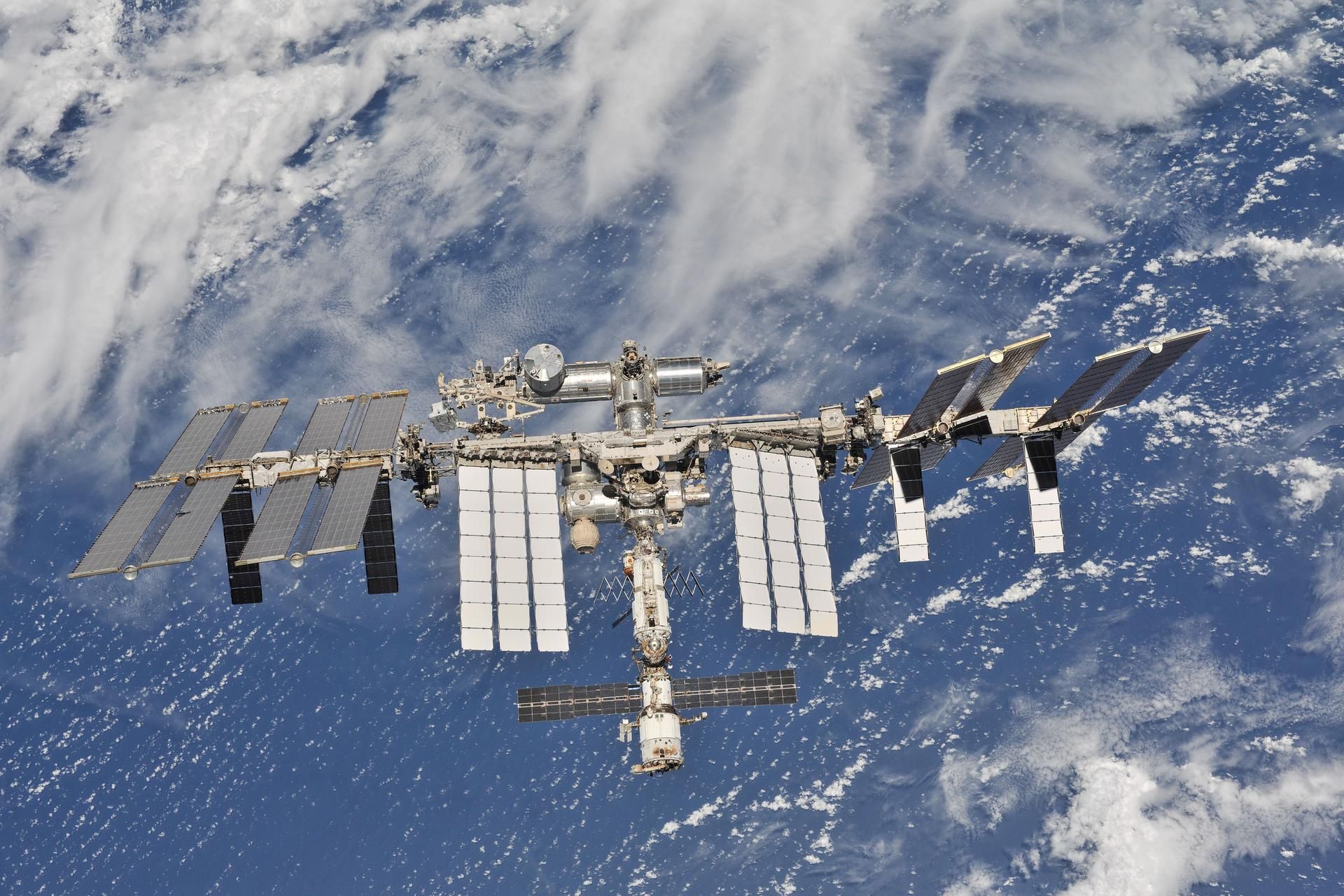
NASA's Plan to Dump ISS in Sea Sparks Concerns
NASA's plan to de-orbit the International Space Station (ISS) and dump it in the ocean has sparked concerns among experts, who warn that it could harm marine ecosystems and highlights the need for stricter regulations on space debris. The ISS, which has been in orbit since 1998, is scheduled to be decommissioned in the mid-2020s, and NASA has announced plans to de-orbit it and allow it to burn up in the atmosphere, with any remaining debris landing in a remote area of the ocean. Concerns Over Ocean Health However, experts are warning that the plan raises serious concerns for ocean health. The ISS is a massive structure, weighing over 450,000 kilograms, and its de-orbiting could release a significant amount of toxic materials, including heavy metals and plastics, into the ocean. These materials could harm marine life, including fish, coral, and other organisms, and could also contaminate the food chain.- The ISS contains a range of hazardous materials, including lead, mercury, and cadmium, which are toxic to marine life.
- The de-orbiting process could also release large amounts of plastic debris, which could contribute to the already significant problem of plastic pollution in the ocean.
- Additionally, the ISS's de-orbiting could disrupt the ocean's ecosystem, potentially harming marine life and causing long-term damage to the environment.
Need for Stricter Regulations
The plan to de-orbit the ISS highlights the need for stricter regulations on space debris. Currently, there is a lack of international law governing the disposal of space debris, which has led to a significant accumulation of junk in Earth's orbit. The United Nations has estimated that there are over 500,000 pieces of space debris in orbit, ranging from old satellites to rocket parts and other objects. International Cooperation Needed Experts are calling for international cooperation to address the issue of space debris and to develop stricter regulations on the disposal of space debris. This could include the development of new technologies to remove debris from orbit, as well as the implementation of more sustainable practices for the design and operation of space missions.Alternatives to De-orbiting
There are alternatives to de-orbiting the ISS, including the possibility of re-purposing the station or removing it from orbit using a spacecraft. However, these options are complex and would require significant resources and investment.- One possible alternative is to re-purpose the ISS as a hub for deep space missions, which could provide a valuable resource for future space exploration.
- Another option is to remove the ISS from orbit using a spacecraft, which could be a more controlled and sustainable way to dispose of the station.
- Additionally, NASA could consider partnering with private companies to develop new technologies and strategies for removing space debris from orbit.
Conclusion
The plan to de-orbit the ISS and dump it in the ocean has sparked concerns among experts, who warn that it could harm marine ecosystems and highlights the need for stricter regulations on space debris. As the world's space agencies and private companies continue to push the boundaries of space exploration, it is essential that we prioritize sustainability and environmental responsibility. This includes developing stricter regulations on space debris, investing in new technologies to remove debris from orbit, and promoting international cooperation to address this global issue.Stay tuned to Buzztoday24 for more updates.
Post a Comment