
Introduction to the Discovery
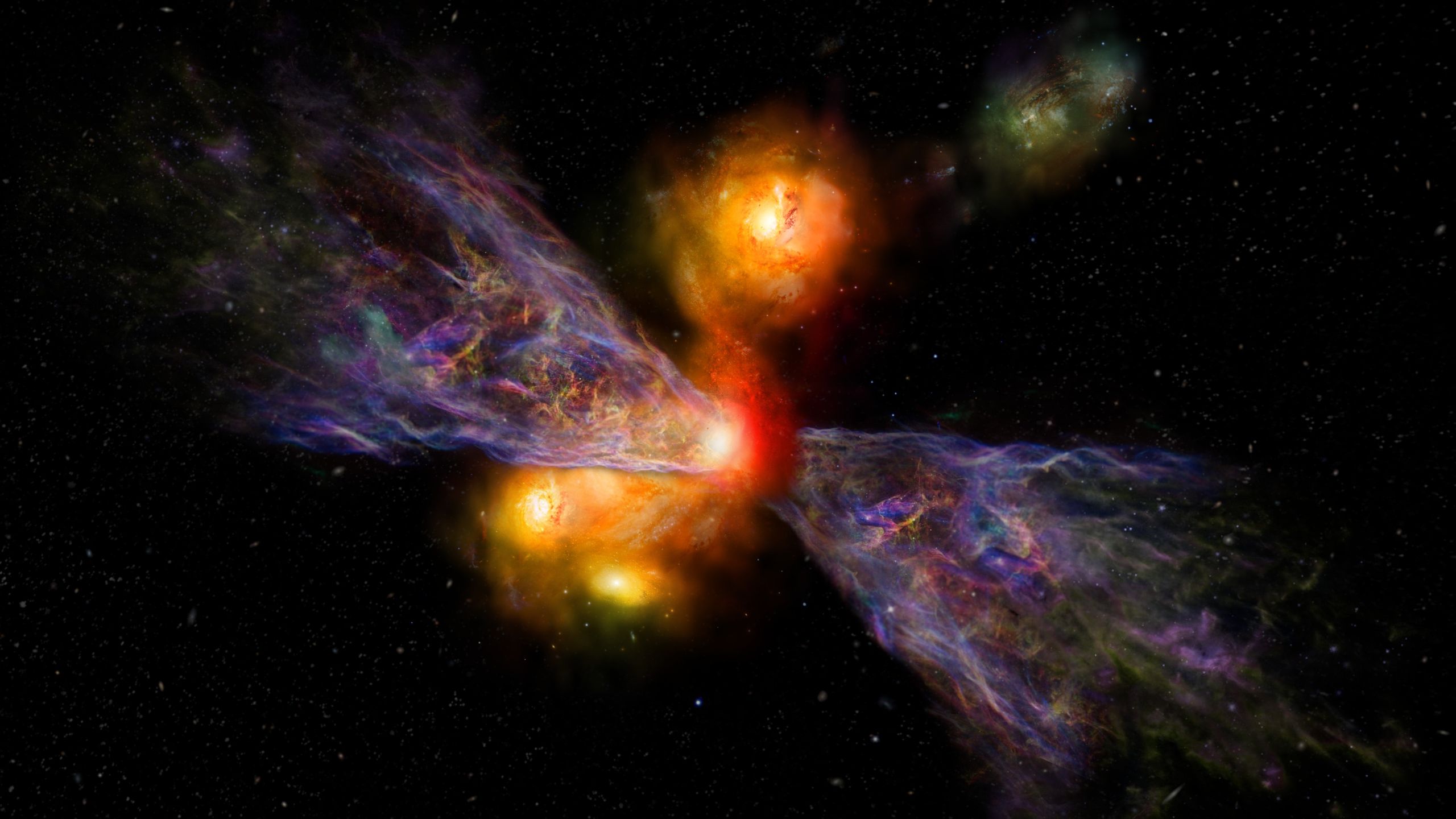
The James Webb Space Telescope has made a significant breakthrough in our understanding of the universe, particularly in the realm of ancient galaxies. recent observations from the telescope have revealed that these galaxies lived fast and died young due to the presence of intense, collision-driven winds. This discovery sheds new light on the evolution of galaxies in the early universe and provides valuable insights into the cosmic processes that shaped the formation of stars and galaxies.The Phenomenon of Galaxy-Killing Wind
The phenomenon of galaxy-killing wind refers to the intense outflows of gas and dust that can strip a galaxy of its star-forming material, effectively ending its growth and development. These winds are often driven by the collision of galaxies, which can trigger the formation of new stars and the release of massive amounts of energy. The James Webb Space Telescope has detected these winds in ancient galaxies, providing evidence that they played a crucial role in shaping the evolution of the universe. Key Findings: The observations from the James Webb Space Telescope have led to several key findings, including:- The detection of intense, collision-driven winds in ancient galaxies, which suggests that these winds played a significant role in shaping the evolution of the universe.
- The presence of these winds in galaxies that lived fast and died young, indicating that they were responsible for stripping the galaxies of their star-forming material and ending their growth and development.
- The observation of massive star formation in these galaxies, which suggests that the winds were triggered by the collision of galaxies and the subsequent release of massive amounts of energy.
Implications of the Discovery
The discovery of galaxy-killing wind in ancient galaxies has significant implications for our understanding of the universe. It suggests that the evolution of galaxies is more complex and dynamic than previously thought, with intense winds playing a crucial role in shaping the formation of stars and galaxies. The findings also provide valuable insights into the cosmic processes that governed the early universe, including the formation of the first stars and galaxies.Conclusion
The detection of galaxy-killing wind in ancient galaxies by the James Webb Space Telescope is a groundbreaking discovery that sheds new light on the evolution of the universe. The findings provide evidence that intense winds played a significant role in shaping the formation of stars and galaxies, and that the evolution of galaxies is more complex and dynamic than previously thought. As we continue to explore the universe and push the boundaries of human knowledge, discoveries like this remind us of the awe-inspiring complexity and beauty of the cosmos.Stay tuned to Buzztoday24 for more updates.
Post a Comment