
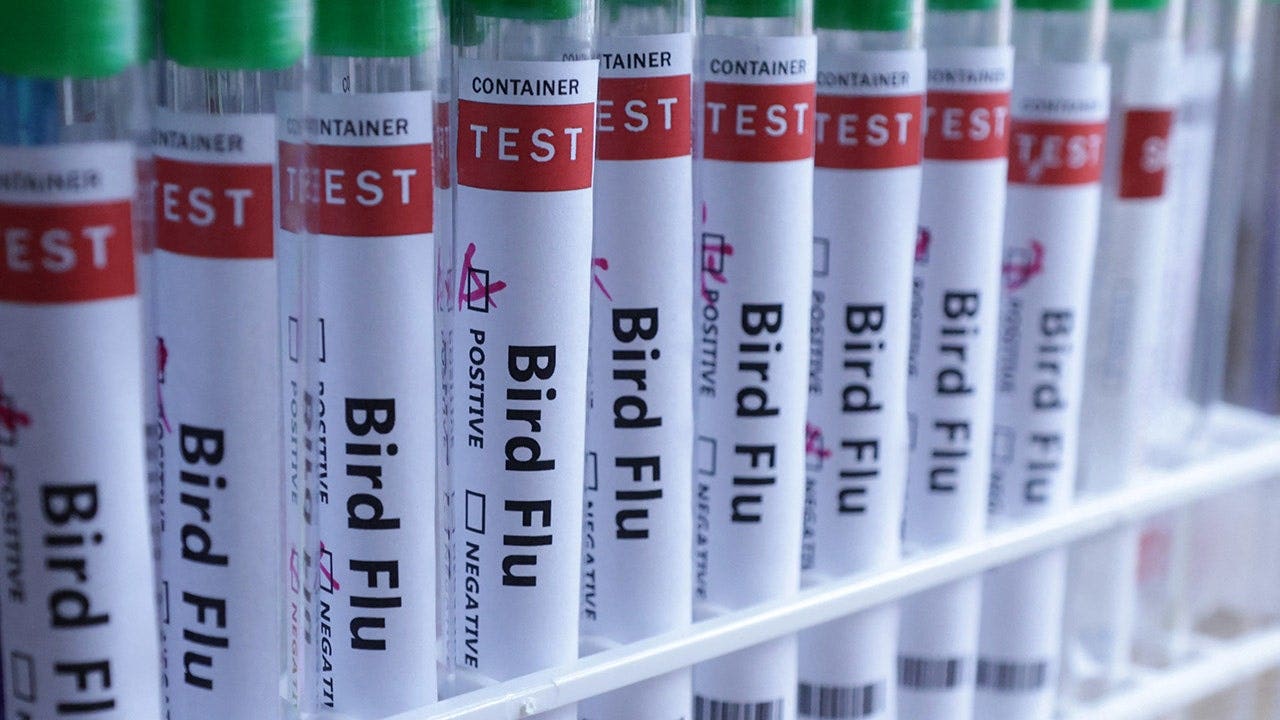
Australia Reports First Case of H5N1 Bird Flu
The Australian government has confirmed the country's first case of H5N1 bird flu in a seabird found near Esperance, Western Australia. This detection marks a significant milestone, as it signifies that the virus has now spread to every continent, highlighting the need for continued vigilance and preventive measures. Global Reach of H5N1 Bird Flu The H5N1 bird flu, also known as avian influenza, has been steadily spreading across the globe, affecting various bird species and, in rare cases, humans. The virus's ability to infect a wide range of avian species has contributed to its rapid dissemination. With the confirmation of the first case in Australia, the virus has now been detected on every continent, underscoring the importance of global cooperation in monitoring and controlling its spread.Response and Prevention Measures
Australian authorities have taken swift action in response to the confirmed case, implementing measures to prevent the spread of the virus. These measures include:- Enhanced surveillance of bird populations, particularly in areas with high concentrations of seabirds
- Improved biosecurity protocols for poultry farms and other facilities that handle birds
- Public education campaigns to raise awareness about the risks associated with the virus and the steps that can be taken to prevent its spread
- Collaboration with international partners to share information and best practices in managing the outbreak
Global Cooperation and Future Directions
The detection of H5N1 bird flu in Australia highlights the importance of global cooperation in addressing the spread of the virus. International collaboration is essential for sharing information, coordinating response efforts, and developing effective strategies for managing the outbreak. As the situation continues to evolve, it is crucial for governments, health organizations, and the public to remain vigilant and work together to mitigate the impacts of the virus on bird populations and human health. In conclusion, the confirmation of the first case of H5N1 bird flu in Australia serves as a reminder of the virus's global reach and the need for continued vigilance and cooperation. By working together and implementing effective preventive measures, we can reduce the risks associated with the virus and protect both wildlife and human health.Stay tuned to Buzztoday24 for more updates.
Post a Comment