
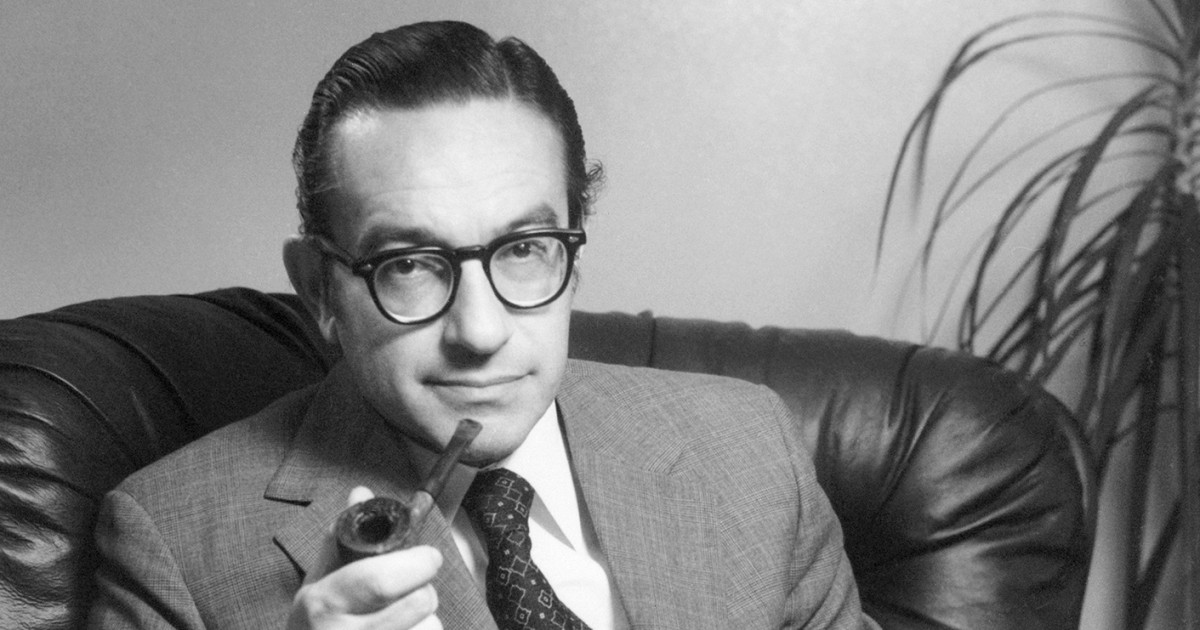
Alan Greenspan: A Legacy of Economic Impact and Controversy
Alan Greenspan, the former chairman of the Federal Reserve Board, has died at the age of 100. As a renowned economist and longtime head of the Federal Reserve, Greenspan played a significant role in shaping the US economy for over two decades. His tenure, which spanned from 1987 to 2006, was marked by periods of economic growth, low inflation, and a reputation for being a skilled manager of monetary policy. However, Greenspan's legacy is also marred by his actions leading up to the 2008 financial crisis. Critics argue that his policies, including the maintenance of low interest rates and the failure to regulate the housing market, contributed to the crisis. The crisis, which was triggered by a housing market bubble burst, led to a global recession, widespread job losses, and a significant decline in economic output. During his time at the Federal Reserve, Greenspan was known for his support of deregulation and free-market principles. He believed that the market could self-regulate and that government intervention was often unnecessary. This approach led to the deregulation of the banking industry, which some argue contributed to the excessive risk-taking and reckless behavior that ultimately led to the crisis. Despite the controversy surrounding his legacy, Greenspan is also credited with successfully navigating the US economy through several challenges, including the 1987 stock market crash, the Asian financial crisis, and the dot-com bubble. His leadership and monetary policy decisions helped to mitigate the impact of these events and ensured that the US economy continued to grow and prosper. Some of the key highlights of Greenspan's tenure include:- Low inflation: Greenspan's policies helped to keep inflation low, which contributed to a period of sustained economic growth.
- Economic growth: The US economy experienced a prolonged period of growth during Greenspan's tenure, with the GDP growing at an average annual rate of 3.8%.
- Job creation: The unemployment rate declined significantly during Greenspan's time at the Federal Reserve, falling from 7.5% in 1992 to 4.7% in 2006.
- Monetary policy: Greenspan's use of monetary policy tools, such as interest rates and reserve requirements, helped to stabilize the economy and prevent excessive inflation.
Stay tuned to Buzztoday24 for more updates.
Post a Comment