
Introduction to the Tariff Plan
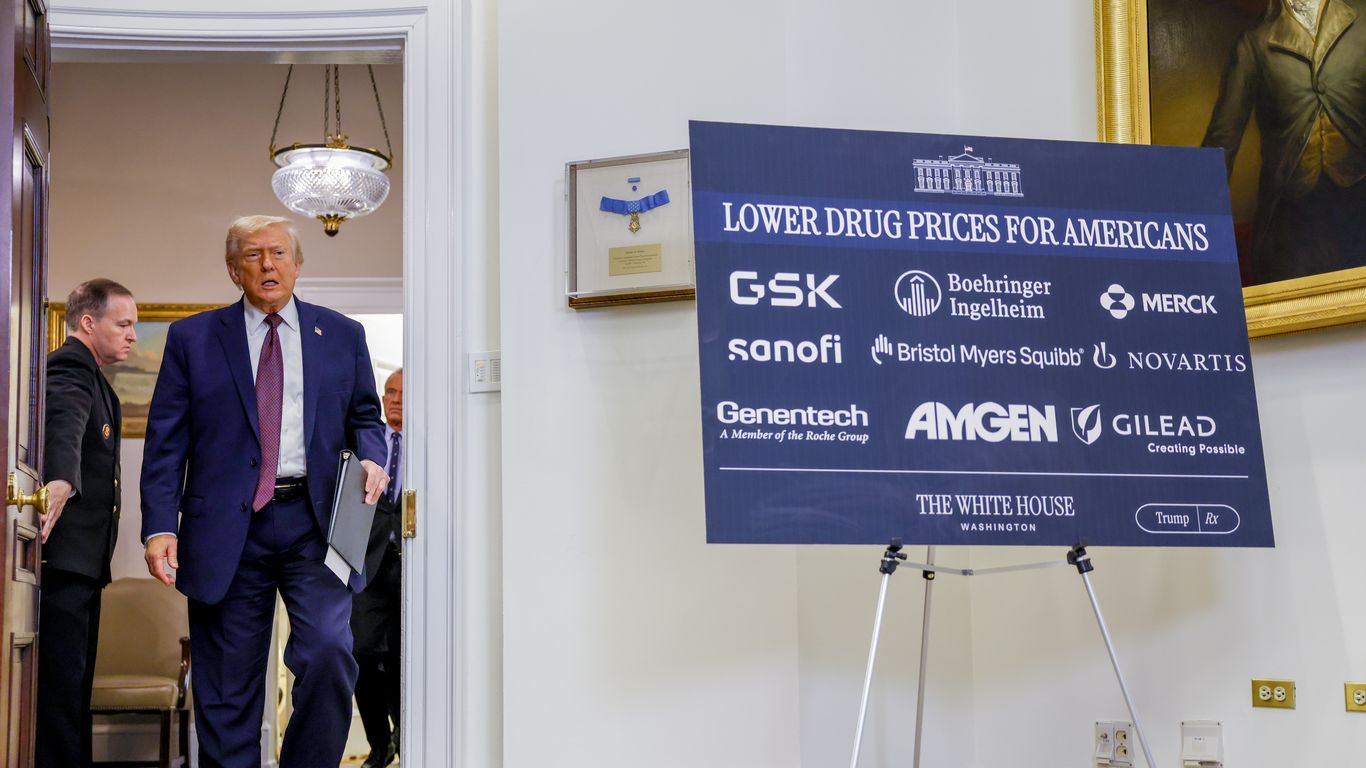
The Trump administration has taken a bold step in its efforts to reduce drug prices in the United States. In a move designed to force pharmaceutical companies into negotiations for lower prices, the administration has announced that it will impose 100% tariffs on patented pharmaceuticals. This significant policy shift aims to make life-saving medications more affordable for Americans, who have long struggled with the high costs of healthcare, particularly when it comes to prescription drugs.
Background: The Struggle with Drug Prices
For years, the issue of high drug prices has been a contentious one in the United States. Many Americans have found themselves in difficult financial situations due to the exorbitant costs of medications that are essential for their health and well-being. The pharmaceutical industry has been under scrutiny for its pricing practices, with many arguing that the costs of drugs are unnecessarily high and that companies are prioritizing profits over people's health.
The Tariff Plan: How It Works
The newly announced tariffs are part of a broader strategy by the Trump administration to use trade policy as a lever to reduce drug prices. By imposing a 100% tariff on patented pharmaceuticals, the government is essentially doubling the cost of these drugs for companies that choose not to negotiate lower prices. This move is intended to create a strong incentive for pharmaceutical companies to engage in discussions with the government to lower their prices, thereby avoiding the significant financial burden of the tariffs.
Potential Impact on the Pharmaceutical Industry
The imposition of 100% tariffs on patented pharmaceuticals could have a profound impact on the pharmaceutical industry. Companies may be forced to reconsider their pricing strategies to avoid the tariffs, which could lead to more affordable medications for consumers. However, there are also concerns about the potential unintended consequences of such a policy, including the possibility of drug shortages or reduced investment in research and development if companies see their profit margins significantly reduced.
Government Negotiations: A New Era
The Trump administration's move marks a significant shift in how the government interacts with the pharmaceutical industry. By using tariffs as a tool to drive down drug prices, the administration is signaling its willingness to take a more active role in negotiations between the government and drug manufacturers. This approach could pave the way for more direct negotiations over drug prices, potentially leading to more affordable healthcare options for Americans.
Reactions from the Pharmaceutical Industry
The response from the pharmaceutical industry to the announcement of 100% tariffs on patented pharmaceuticals has been mixed. Some companies have expressed concern about the potential impact of the tariffs on their operations and profitability, while others have indicated a willingness to engage in discussions with the government to find solutions that work for all parties involved. The industry has also pointed out the complexity of the issue, highlighting the need for a multifaceted approach that considers not just the cost of drugs but also the investment needed for research and development of new treatments.
Affordable Healthcare: A Key Objective
At the heart of the Trump administration's policy is the goal of making healthcare more affordable for Americans. High drug prices have been a major barrier to accessible healthcare, with many individuals and families struggling to pay for the medications they need. By targeting the costs of patented pharmaceuticals, the administration aims to make a significant dent in the overall expense of healthcare, potentially improving health outcomes and quality of life for millions of people.
Global Implications
The imposition of 100% tariffs on patented pharmaceuticals could also have global implications. The move might influence how other countries approach the issue of drug pricing and could potentially lead to a shift in international trade policies related to pharmaceuticals. Moreover, the reaction of the global pharmaceutical industry will be closely watched, as companies consider how to navigate this new landscape and ensure they can continue to operate profitably while also meeting the demand for affordable medications.
Challenges and Opportunities Ahead
As the Trump administration's tariff plan moves forward, there will undoubtedly be challenges to navigate. The complexity of the pharmaceutical supply chain, the potential for unintended consequences such as drug shortages, and the need for careful negotiation to avoid harming the industry's ability to innovate will all require careful management. However, the plan also presents opportunities for meaningful reform and the potential to significantly reduce the burden of drug costs on American families.
A Balanced Approach
To achieve its objectives, the administration will need to strike a balance between making drugs more affordable and ensuring that the pharmaceutical industry remains incentivized to invest in the development of new and innovative treatments. This will require a nuanced approach that considers the multifaceted nature of the issue, including the role of patents, research and development costs, market competition, and government regulation.
Conclusion: A New Chapter in Drug Pricing
The announcement of 100% tariffs on patented pharmaceuticals marks a new chapter in the ongoing effort to address the issue of high drug prices in the United States. As the Trump administration moves forward with its plan, the impact on the pharmaceutical industry, the healthcare system, and most importantly, American consumers, will be closely watched. The success of this policy will depend on the administration's ability to navigate the complex landscape of drug pricing, negotiation, and regulation, with the ultimate goal of making healthcare more affordable and accessible to all.
Follow Buzztoday24 for more updates.
Post a Comment