
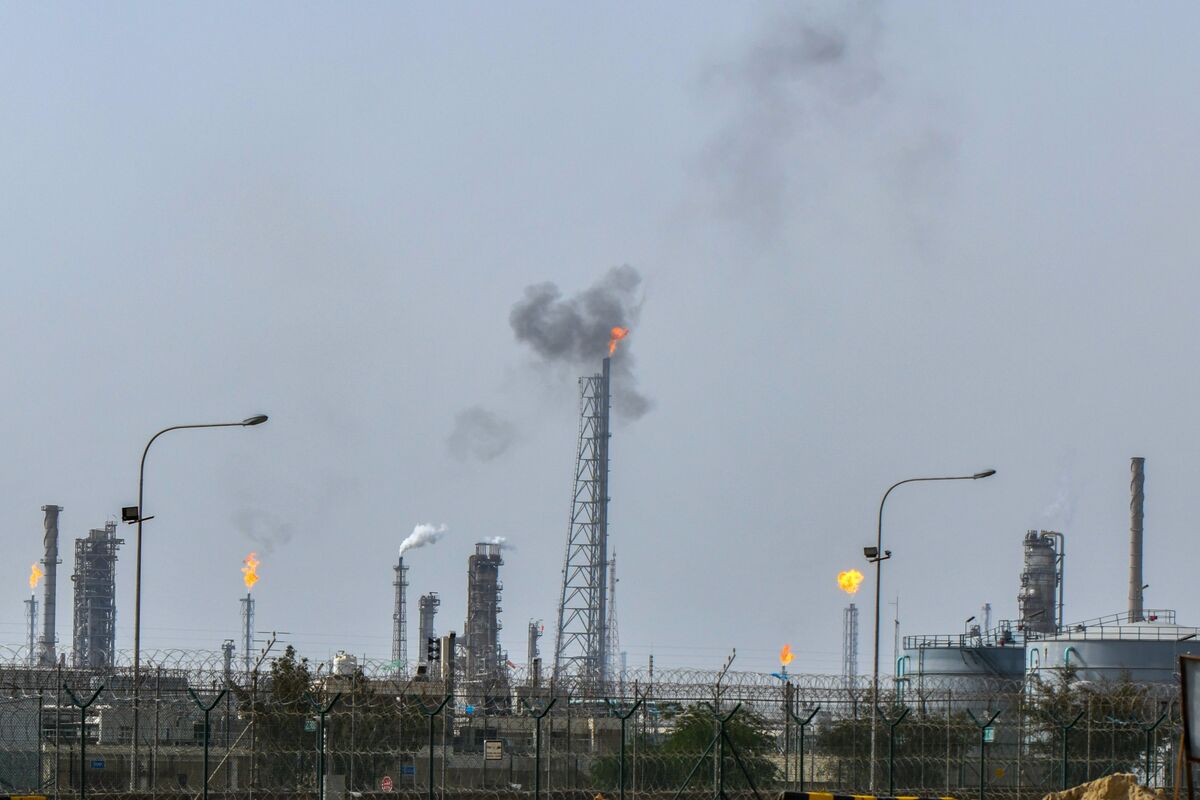
Iran's Latest Attacks: A Show of Force in the Gulf
The situation in the Middle East has taken a turn for the worse, with Iran launching a series of attacks on targets in Arab Gulf states overnight and into Friday. This latest escalation comes hours after US President Donald Trump issued fresh threats against Iranian infrastructure, in a bid to pressure Tehran to start peace negotiations. The attacks have raised concerns about the stability of the region and the potential for further conflict.
Trump's Warning: A Stern Message to Tehran
President Trump's warning to Iran has been seen as a clear indication of the US's intention to take a tough stance against Tehran's aggressive behavior. The President's statement has been backed by US officials, who have emphasized the need for Iran to come to the negotiating table and engage in peaceful dialogue. However, Iran has shown no signs of backing down, and its latest attacks suggest that it is ready to escalate the situation further.
The US has been actively engaged in diplomatic efforts to build a coalition of countries to counter Iran's influence in the region. The US has also imposed economic sanctions on Iran, in a bid to weaken its economy and limit its ability to fund terrorist activities. Despite these efforts, Iran has continued to defy the international community, and its latest attacks have raised concerns about the effectiveness of the US's strategy.
The Regional Implications: A Complex Web of Alliances
The Middle East is a complex and volatile region, with a web of alliances and rivalries that can be difficult to navigate. The conflict between Iran and the US has drawn in other countries, including Saudi Arabia, the UAE, and Israel. These countries have been targeted by Iran in the past, and they have been working closely with the US to counter Tehran's influence in the region.
The Arab Gulf states have been particularly vulnerable to Iran's attacks, with several countries in the region having been targeted in recent months. The latest attacks have raised concerns about the ability of these countries to defend themselves against Iranian aggression, and there have been calls for greater international cooperation to protect the region.
The Global Response: A Call for Restraint
The international community has been watching the situation in the Middle East with growing concern, and there have been calls for restraint from all parties involved. The UN has urged Iran and the US to engage in peaceful dialogue, and to avoid any actions that could escalate the situation further. The EU has also been working to reduce tensions in the region, and has been engaging in diplomatic efforts to promote a peaceful resolution to the conflict.
Despite these efforts, the situation in the Middle East remains highly volatile, and there are concerns about the potential for further conflict. The US and Iran have been engaged in a war of words, with both sides exchanging threats and accusations. The situation has been further complicated by the involvement of other countries, including Russia and China, which have been working to promote their own interests in the region.
The Economic Implications: A Threat to Global Stability
The conflict in the Middle East has significant economic implications, with the potential to disrupt global trade and destabilize the international economy. The region is a major producer of oil, and any disruption to oil supplies could have a major impact on the global economy. The US has been working to reduce its dependence on Middle Eastern oil, but it remains a major consumer of oil from the region.
The economic implications of the conflict have been a major concern for businesses and investors, who are worried about the potential for disruption to trade and the impact on the global economy. The situation has been further complicated by the involvement of other countries, including China, which has significant economic interests in the region.
The Humanitarian Concerns: A Growing Crisis
The conflict in the Middle East has significant humanitarian implications, with the potential to cause widespread suffering and displacement. The region is home to several countries that are already struggling to cope with the impact of war and instability, and the latest escalation has raised concerns about the potential for further human suffering.
The humanitarian situation in the Middle East is already dire, with several countries struggling to cope with the impact of war and instability. The latest escalation has raised concerns about the potential for further suffering, and there have been calls for greater international cooperation to provide humanitarian aid to those affected by the conflict.
The Way Forward: A Path to Peace
The situation in the Middle East is complex and volatile, and there is no easy solution to the conflict. However, there are several steps that can be taken to reduce tensions and promote a peaceful resolution. The US and Iran must engage in diplomatic efforts to resolve their differences, and the international community must work to promote a peaceful and stable region.
The US has been working to build a coalition of countries to counter Iran's influence in the region, and this effort must be supported by the international community. The Arab Gulf states must also be supported, and provided with the necessary assistance to defend themselves against Iranian aggression. The international community must also work to promote a peaceful and stable region, and to address the root causes of the conflict.
In conclusion, the situation in the Middle East is highly volatile, and there are concerns about the potential for further conflict. The US and Iran must engage in diplomatic efforts to resolve their differences, and the international community must work to promote a peaceful and stable region. The economic and humanitarian implications of the conflict must also be addressed, and the international community must work to provide aid and support to those affected by the conflict.
As the situation continues to unfold, it is clear that the Middle East will remain a major focus of international attention in the coming weeks and months. The conflict has significant implications for global stability, and the international community must work to promote a peaceful and stable region. The US, Iran, and other countries involved in the conflict must engage in diplomatic efforts to resolve their differences, and the international community must work to address the root causes of the conflict.
The latest developments in the Middle East have raised concerns about the potential for further conflict, and the international community must work to reduce tensions and promote a peaceful resolution. The situation is complex and volatile, and there is no easy solution to the conflict. However, with diplomatic efforts and international cooperation, it is possible to promote a peaceful and stable region, and to address the root causes of the conflict.
Follow Buzztoday24 for more updates.
Post a Comment