
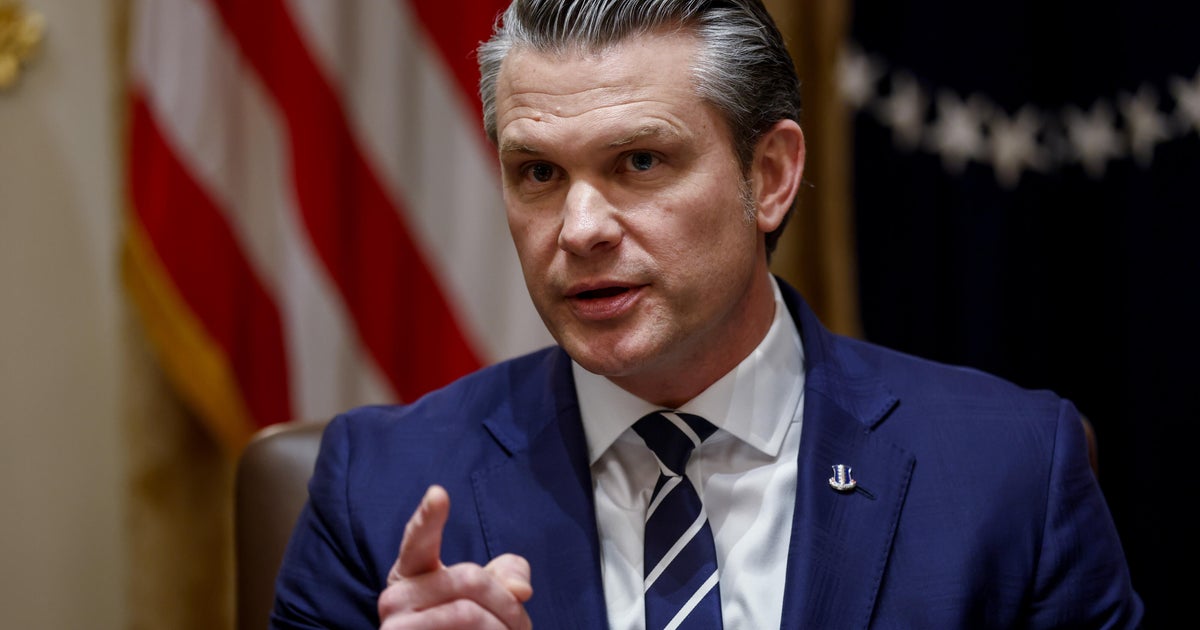
Introduction to a New Era: Hegseth's Policy on Personal Firearms
In a shocking turn of events, Defense Secretary Pete Hegseth has unveiled a new policy that is set to change the landscape of military bases across the country. The policy, which allows service members to carry their personal firearms onto military installations, has sparked a heated debate on gun rights and military safety. This move is seen as a significant departure from the existing policies, which have been in place for decades. As the news broke, social media platforms and news outlets were flooded with reactions, with many hailing the move as a victory for gun rights, while others expressed concerns about the potential risks and consequences.
Understanding the Policy: What Does it Entail?
According to sources, the new policy will permit service members to bring their personal firearms onto military bases, provided they meet certain criteria and follow strict guidelines. The policy is designed to ensure that service members can exercise their Second Amendment rights while also maintaining the safety and security of the bases. The guidelines, which are still being finalized, are expected to include provisions for secure storage, handling, and usage of the firearms. It is also expected that service members will be required to undergo additional training and background checks before being allowed to carry their personal firearms on base.
Reactions to the Policy: A Mixed Bag
The reaction to the policy has been mixed, with many gun rights advocates hailing the move as a major victory. The National Rifle Association (NRA) has welcomed the policy, stating that it is a "significant step forward" for gun rights. "This policy recognizes the Second Amendment rights of our service members and allows them to exercise those rights, even while serving their country," said an NRA spokesperson. On the other hand, gun control advocates have expressed concerns about the potential risks and consequences of allowing personal firearms on military bases. "This policy is a recipe for disaster," said a spokesperson for the Brady Campaign to Prevent Gun Violence. "It will put service members and civilians at risk of injury or death."
The Rationale Behind the Policy: Hegseth's Perspective
Defense Secretary Pete Hegseth has defended the policy, stating that it is designed to ensure the safety and security of service members. "Our service members have the right to defend themselves, and this policy recognizes that right," Hegseth said in a statement. "We will ensure that our service members are properly trained and equipped to handle their personal firearms in a safe and responsible manner." Hegseth also emphasized that the policy is not a response to any specific incident or threat, but rather a proactive measure to enhance the safety and security of military bases.
Implications of the Policy: What Does it Mean for Military Bases?
The implications of the policy are far-reaching, and it is expected to have a significant impact on military bases across the country. The policy is likely to lead to an increase in the number of firearms on military bases, which could potentially lead to a higher risk of accidents or incidents. On the other hand, proponents of the policy argue that it will allow service members to defend themselves in the event of an attack, which could potentially save lives. The policy is also expected to have implications for base security, with commanders and security personnel needing to reassess their protocols and procedures to accommodate the new policy.
Challenges and Concerns: Implementing the Policy
Implementing the policy is expected to be a complex and challenging task, with many logistical and operational considerations to take into account. One of the main concerns is the issue of secure storage and handling of the firearms, which will require significant investment in infrastructure and training. There are also concerns about the potential for accidents or incidents, which could be exacerbated by the presence of personal firearms on base. Additionally, there are questions about how the policy will be enforced, and what measures will be taken to ensure that service members are complying with the guidelines and regulations.
History of Gun Policies on Military Bases: A Look Back
The policy of allowing personal firearms on military bases is not new, and there have been several instances in the past where service members have been permitted to carry their own firearms on base. However, these policies have been relatively rare and have often been implemented in response to specific threats or incidents. In the 1990s, for example, the military allowed service members to carry personal firearms on base in response to a series of terrorist attacks. However, the policy was later rescinded due to concerns about safety and security.
International Perspective: How Other Countries Handle Gun Policies on Military Bases
Other countries have different approaches to gun policies on military bases, with some allowing service members to carry personal firearms and others prohibiting it. In Israel, for example, service members are allowed to carry their personal firearms on base, and the country has a relatively lax approach to gun control. In contrast, countries like the United Kingdom and Canada have stricter gun control laws and prohibit service members from carrying personal firearms on base. The United States is unique in its approach to gun policies, with a strong culture of gun ownership and a relatively permissive approach to gun control.
Conclusion: A New Era for Military Bases
The policy of allowing service members to carry personal firearms on military bases marks a significant shift in the approach to gun policies in the military. While the policy has been met with both praise and criticism, it is clear that it will have a major impact on military bases across the country. As the policy is implemented, it will be important to monitor its effects and make adjustments as necessary to ensure the safety and security of service members and civilians. Ultimately, the policy reflects a broader cultural and societal debate about gun rights and gun control, and it is likely to be a topic of discussion and controversy for years to come.
What's Next: The Future of Gun Policies on Military Bases
As the policy is implemented, there are many questions about what the future holds for gun policies on military bases. Will the policy be expanded to include other types of firearms or will it be restricted to certain types of service members? How will the policy be enforced, and what measures will be taken to ensure that service members are complying with the guidelines and regulations? These are just a few of the questions that will need to be answered in the coming months and years. One thing is certain, however: the policy of allowing service members to carry personal firearms on military bases is a significant development that will have far-reaching implications for the military and the country as a whole.
Expert Opinion: Weighing the Pros and Cons
Public Reaction: What Do Americans Think About the Policy?
The public reaction to the policy has been mixed, with some Americans expressing support for the policy and others expressing opposition. A recent poll found that a majority of Americans support the idea of allowing service members to carry personal firearms on military bases, but there are significant regional and demographic differences in opinion. In the South, for example, there is strong support for the policy, while in the Northeast, there is more opposition. The poll also found that Americans are divided on the issue of gun control, with some believing that stricter laws are needed to prevent gun violence, while others believe that more permissive laws are needed to allow individuals to exercise their Second Amendment rights.
Follow Buzztoday24 for more updates.
Post a Comment