
Introduction
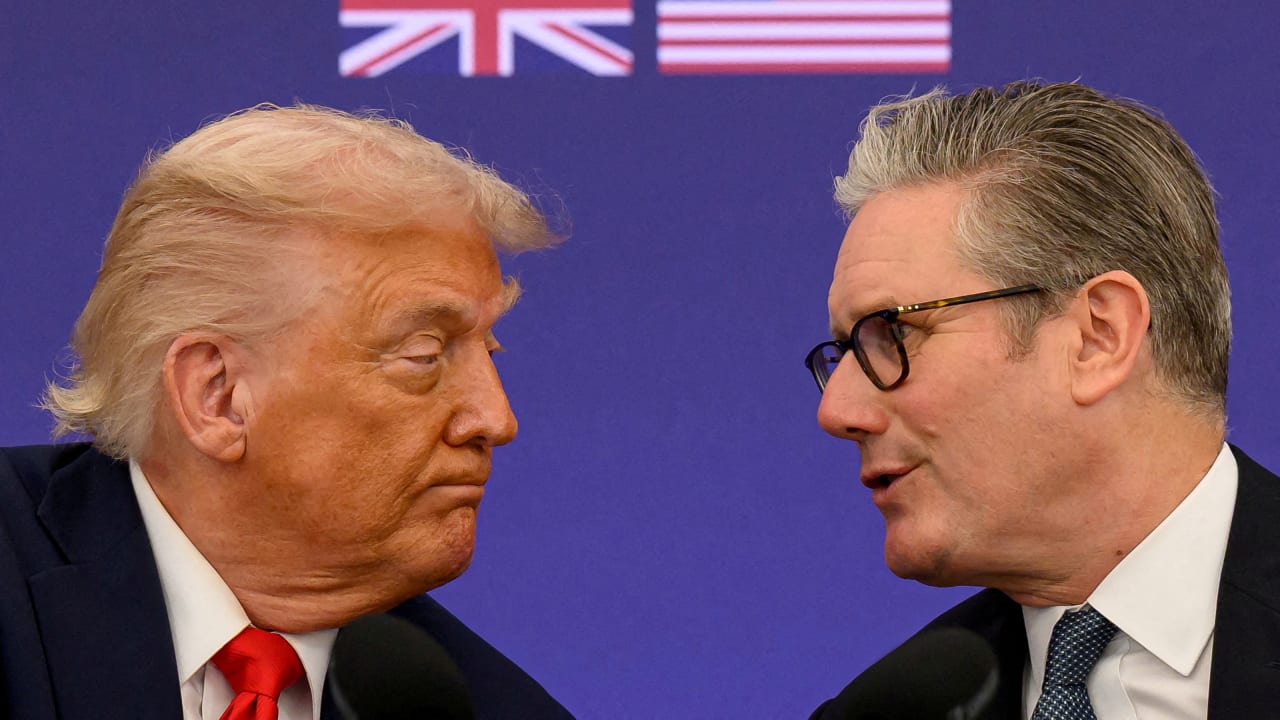
In a move that highlights the strengthening ties between the United States and the United Kingdom, President Donald Trump and Labour Party leader Keir Starmer recently engaged in a discussion regarding the escalating tensions in the Middle East. The conversation centered around the Strait of Hormuz, a vital shipping lane that has been at the forefront of international attention due to Iran's aggressive behavior. This development comes days after the UK granted permission to the US to utilize British military bases for potential strikes against Iranian missile sites, which have been implicated in attacks on ships in the region.
Background: Rising Tensions in the Strait of Hormuz
The Strait of Hormuz, located between the Persian Gulf and the Gulf of Oman, is one of the world's most critical waterways, with a significant portion of global oil supplies passing through it. However, the region has witnessed increased tensions in recent years, primarily due to Iran's belligerent actions. Tehran has been accused of orchestrating attacks on oil tankers and other ships, disrupting maritime trade and threatening global energy security. The US and its allies have consistently condemned these actions, emphasizing the need for Iran to respect international norms and laws.
The Conversation: Trump and Starmer Unite
President Trump and Keir Starmer's conversation is seen as a significant step towards bolstering the US-UK alliance in the face of growing challenges in the Middle East. The discussion is believed to have revolved around the shared concerns regarding Iran's activities in the Strait of Hormuz and the broader implications for regional stability. While the specifics of the conversation remain undisclosed, it is understood that both leaders emphasized the importance of cooperation in addressing the security threats posed by Iran's aggressive behavior.
UK's Decision to Authorize US Military Bases
The UK's decision to allow the US to use British military bases for potential strikes against Iranian missile sites has been viewed as a demonstration of London's commitment to supporting its ally in the face of rising tensions. This move is seen as a response to Iran's provocations, including the downing of a US drone and the seizure of a British-flagged tanker. By granting permission for the use of its military bases, the UK is signaling its willingness to contribute to efforts aimed at deterring Iranian aggression and ensuring the free flow of maritime trade.
Implications for Geopolitics and International Relations
The conversation between President Trump and Keir Starmer, coupled with the UK's decision to authorize the use of its military bases, has significant implications for geopolitics and international relations. The US and the UK are reaffirming their commitment to upholding international norms and laws, while also underscoring the importance of collective action in addressing shared security challenges. This development is likely to be watched closely by other nations, particularly those with interests in the Middle East, as they navigate the complex web of alliances and rivalries in the region.
Iran's Response: A Path of Escalation or De-escalation?
Iran's response to the conversation between President Trump and Keir Starmer, as well as the UK's decision to authorize the use of its military bases, will be crucial in determining the trajectory of events in the Middle East. Tehran may choose to escalate tensions further, potentially through additional attacks on shipping or other provocative actions. Alternatively, Iran may opt for a path of de-escalation, seeking to reduce tensions and engage in diplomatic efforts to address its concerns. The international community will be closely monitoring Iran's actions, urging restraint and a commitment to peaceful resolution of conflicts.
Regional Stability and the Role of the International Community
The situation in the Middle East, particularly in the Strait of Hormuz, highlights the importance of regional stability and the role of the international community in promoting peace and security. The US, the UK, and other nations with interests in the region must work together to address the challenges posed by Iran's aggressive behavior. This may involve a combination of diplomatic efforts, economic sanctions, and military deterrence, all aimed at encouraging Iran to respect international norms and laws.
Economic Implications: Oil Prices and Global Trade
The tensions in the Strait of Hormuz have significant economic implications, particularly with regard to oil prices and global trade. The region's importance in the global energy landscape means that any disruptions to shipping can have far-reaching consequences, including increased oil prices and decreased economic growth. The international community must be vigilant in addressing these challenges, working to ensure the free flow of maritime trade and minimizing the economic impacts of any disruptions.
Conclusion: A United Front Against Iranian Aggression
In conclusion, the conversation between President Trump and Keir Starmer, as well as the UK's decision to authorize the use of its military bases, demonstrates a united front against Iranian aggression in the Middle East. The US and the UK, along with other nations, must continue to work together to address the challenges posed by Iran's behavior, promoting regional stability and upholding international norms and laws. As the situation continues to evolve, it is essential that the international community remains vigilant, committed to a peaceful resolution of conflicts and the protection of global energy security.
Future Developments: A Path Forward
As the situation in the Middle East continues to unfold, it is essential to consider the potential paths forward. The US, the UK, and other nations must engage in sustained diplomatic efforts, seeking to address the underlying concerns and grievances that have contributed to the current tensions. This may involve negotiations with Iran, as well as broader regional initiatives aimed at promoting stability and cooperation. Ultimately, a peaceful resolution to the conflicts in the Middle East will require a collective effort, with nations working together to address the complex challenges and promote a more stable and secure future.
International Cooperation: A Key to Success
International cooperation will be crucial in addressing the challenges posed by Iran's aggressive behavior in the Middle East. The US, the UK, and other nations must work together, sharing intelligence, coordinating diplomatic efforts, and providing mutual support in the face of common security threats. This cooperation may involve the establishment of new alliances or the strengthening of existing ones, all aimed at promoting regional stability and deterring Iranian aggression.
A Call to Action: Promoting Peace and Security
In light of the developments in the Middle East, it is essential that the international community comes together to promote peace and security in the region. This may involve a range of efforts, from diplomatic initiatives to economic sanctions, all aimed at encouraging Iran to respect international norms and laws. As the situation continues to evolve, it is crucial that nations remain committed to a peaceful resolution of conflicts, working together to address the complex challenges and promote a more stable and secure future.
Follow Buzztoday24 for more updates.
Post a Comment