
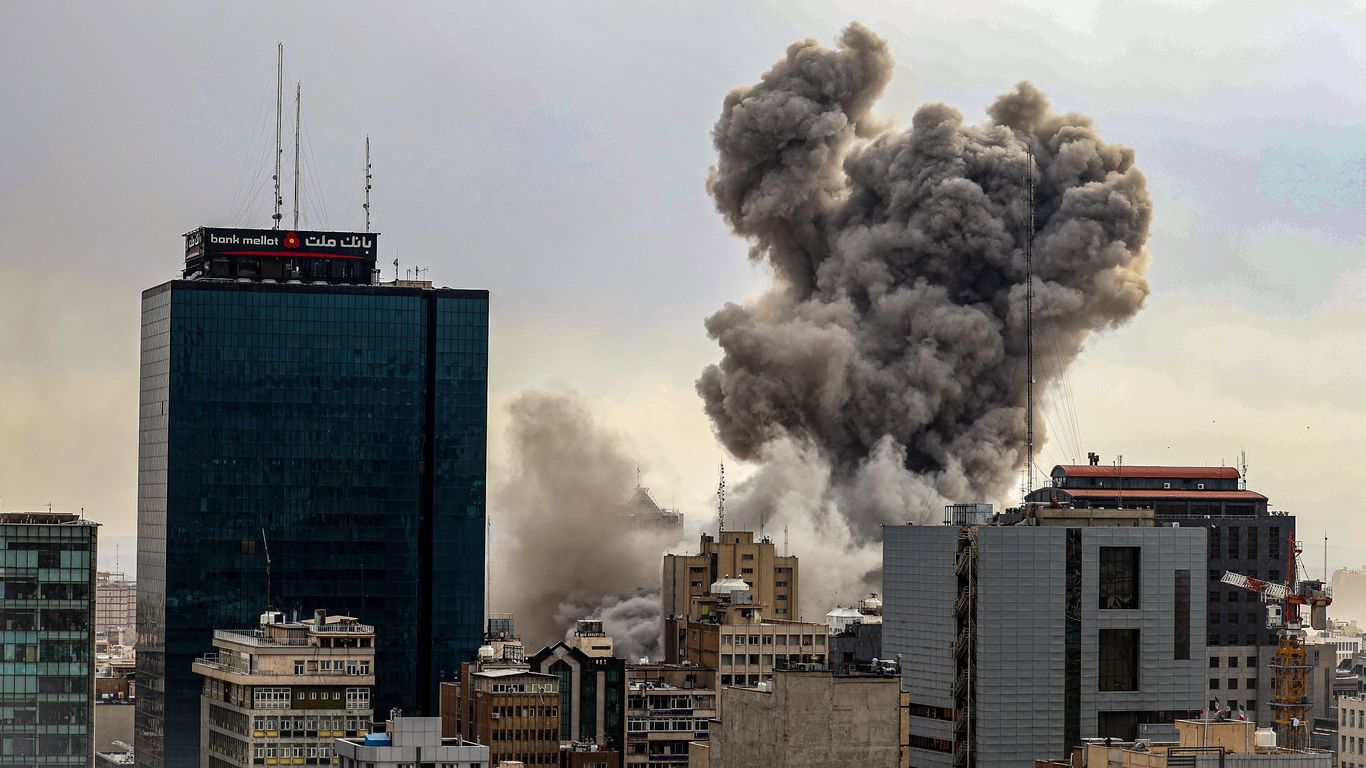
Iran Conflict Escalation: A Global Crisis Unfolds - Which Countries Are Now Involved?
The situation in the Middle East has deteriorated significantly, with the Iran conflict now involving multiple countries across the region. The United States, in particular, has found itself at the center of the crisis, with its embassies on high alert and the State Department urging American citizens to leave the area immediately. In this article, we will provide an in-depth look at the countries now involved in the Iran conflict and the implications of this escalating crisis.The conflict began with a series of events that sparked a dramatic escalation of tensions between Iran and the United States. The situation has since spiraled out of control, with other countries in the region becoming increasingly involved. The crisis has raised concerns about the potential for a wider conflict, with experts warning of the devastating consequences of such an outcome.
Countries Involved in the Iran Conflict
Several countries are now involved in the Iran conflict, either directly or indirectly. These nations include:- United States: The US has been at the forefront of the crisis, with its military presence in the region and its diplomatic efforts aimed at containing the situation.
- Iran: The Islamic Republic of Iran has been a key player in the conflict, with its military and paramilitary forces engaged in clashes with US and other regional forces.
- Saudi Arabia: The Kingdom of Saudi Arabia has been involved in the conflict, with its military supporting US-led efforts to contain Iranian influence in the region.
- Israel: The State of Israel has been a significant player in the crisis, with its military engaged in operations against Iranian and Iranian-backed forces in the region.
- United Arab Emirates: The UAE has been involved in the conflict, with its military supporting US-led efforts to contain Iranian influence in the region.
- United Kingdom: The UK has been involved in the conflict, with its military providing support to US-led efforts to contain Iranian influence in the region.
- France: France has been involved in the conflict, with its military providing support to US-led efforts to contain Iranian influence in the region.
- Germany: Germany has been involved in the conflict, with its military providing support to US-led efforts to contain Iranian influence in the region.
- China: China has been involved in the conflict, with its economic interests in the region and its diplomatic efforts aimed at resolving the crisis.
- Russia: Russia has been involved in the conflict, with its military and diplomatic efforts aimed at supporting its allies in the region and containing US influence.
US Embassies on High Alert
The US embassies across the region remain on high alert, with the State Department urging Americans to leave the area immediately. This decision has been made in response to the escalating tensions and the increased threat of violence against US citizens. The State Department has issued a travel warning, advising Americans to avoid traveling to the region and to exercise extreme caution if they must travel.The US embassies in the region have been working closely with local authorities to ensure the safety of American citizens. However, the situation remains volatile, and the threat of violence remains high. The State Department has urged Americans to stay informed about the situation and to follow the instructions of local authorities.
Regional Tensions and Geopolitical Instability
The Iran conflict has raised concerns about regional tensions and geopolitical instability. The crisis has highlighted the complex web of alliances and rivalries in the region, with multiple countries vying for influence and power. The situation has also raised concerns about the potential for a wider conflict, with experts warning of the devastating consequences of such an outcome.The regional tensions and geopolitical instability have significant implications for global politics and international relations. The crisis has highlighted the need for diplomacy and dialogue to resolve the situation and to prevent further escalation. However, the situation remains complex, with multiple countries and interests involved.
Global Implications of the Iran Conflict
The Iran conflict has significant implications for global politics and international relations. The crisis has highlighted the need for diplomacy and dialogue to resolve the situation and to prevent further escalation. However, the situation remains complex, with multiple countries and interests involved.The global implications of the Iran conflict are far-reaching, with the potential to impact global energy markets, trade, and security. The crisis has raised concerns about the potential for a wider conflict, with experts warning of the devastating consequences of such an outcome. The situation has also highlighted the need for international cooperation and diplomacy to resolve the crisis and to prevent further escalation.
Conclusion
The Iran conflict has taken a dramatic turn, with multiple countries now involved. The situation remains volatile, with the threat of violence and further escalation high. The US embassies across the region remain on high alert, with the State Department urging Americans to leave the area immediately. The crisis has raised concerns about regional tensions and geopolitical instability, with significant implications for global politics and international relations.The situation in the Middle East remains complex and sensitive, with multiple countries and interests involved. The need for diplomacy and dialogue to resolve the situation and to prevent further escalation is clear. However, the situation remains challenging, with the potential for a wider conflict and devastating consequences. As the situation continues to unfold, it is essential to stay informed and to follow the instructions of local authorities.
In conclusion, the Iran conflict is a global crisis that requires a comprehensive and coordinated response. The situation is complex and sensitive, with multiple countries and interests involved. The need for diplomacy and dialogue to resolve the situation and to prevent further escalation is clear. As the situation continues to unfold, it is essential to stay informed and to follow the instructions of local authorities.
Follow Buzztoday24 for latest updates.
Post a Comment