
 ->
->
GLP-1 Drugs Linked to Higher Risk of Osteoporosis and Gout: What You Need to Know
Introduction to GLP-1 Drugs
GLP-1 drugs, including Ozempic and Wegovy, have gained significant attention in recent years for their effectiveness in managing type 2 diabetes and aiding in weight loss. These medications work by mimicking the action of a natural hormone in the body, glucagon-like peptide-1 (GLP-1), which helps regulate blood sugar levels and appetite. However, as with any medication, there are potential risks and side effects associated with GLP-1 drugs. New research presented at the American Academy of Orthopaedic Surgeons’ annual meeting has shed light on a possible link between GLP-1 drugs and an increased risk of osteoporosis and gout.Understanding Osteoporosis and Gout
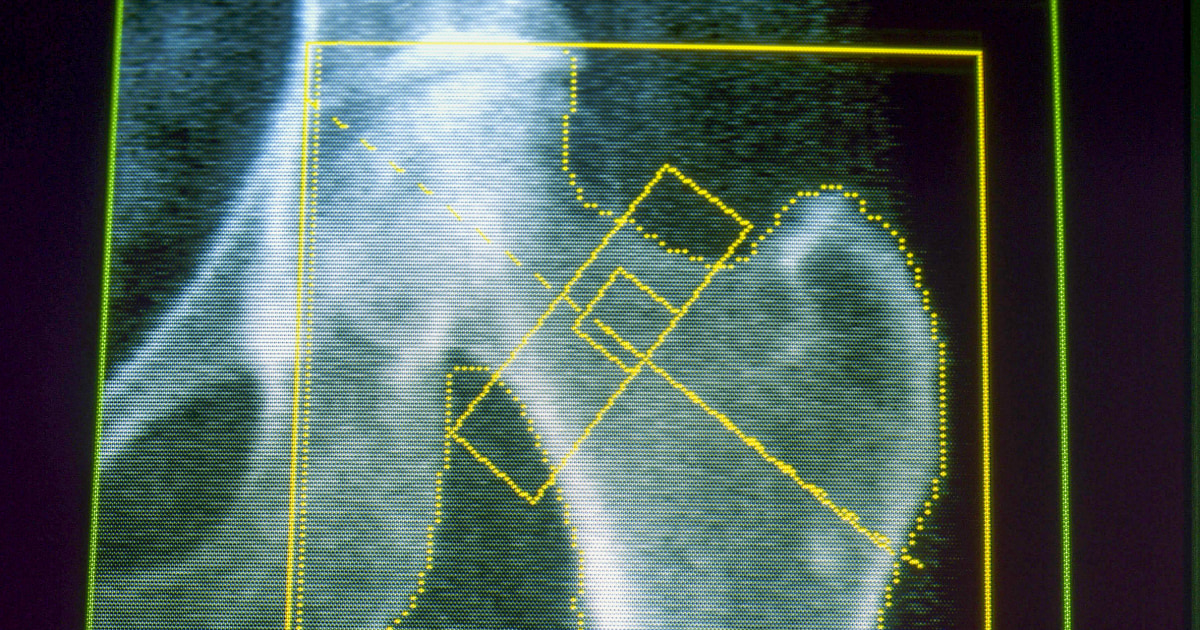
Before diving into the research findings, it’s essential to understand what osteoporosis and gout are. Osteoporosis is a condition characterized by weakened bones, making them more susceptible to fractures. This condition often develops over time and can be influenced by various factors, including genetics, lifestyle, and certain medical conditions. Gout, on the other hand, is a form of arthritis that causes sudden, severe joint pain, often in the big toe. It occurs when uric acid builds up in the blood and forms sharp crystals in the joints.The Research Findings
The research presented at the American Academy of Orthopaedic Surgeons’ annual meeting analyzed data from patients taking GLP-1 drugs, including Ozempic and Wegovy. The study found a slight but significant increase in the risk of developing osteoporosis and gout among these patients. While the absolute risk remains low, the findings suggest that individuals taking GLP-1 drugs should be aware of these potential complications and take preventive measures to mitigate their risk.Implications for Patients and Healthcare Providers
The potential link between GLP-1 drugs and osteoporosis and gout has significant implications for both patients and healthcare providers. Patients taking GLP-1 drugs should be monitored regularly for signs of osteoporosis and gout, such as bone density loss or joint pain. Healthcare providers should also consider the potential risks when prescribing GLP-1 drugs, especially for patients with a history of osteoporosis or gout.What You Can Do to Reduce Your Risk
While the research findings are concerning, there are steps you can take to reduce your risk of developing osteoporosis and gout while taking GLP-1 drugs: - Maintain a Healthy Diet: Eating a balanced diet rich in calcium and vitamin D can help support bone health. - Stay Hydrated: Drinking plenty of water can help flush out uric acid and reduce the risk of gout. - Exercise Regularly: Regular physical activity can help improve bone density and reduce the risk of osteoporosis. - Avoid Excessive Alcohol Consumption: Limiting alcohol intake can help reduce the risk of osteoporosis and gout.Conclusion
The potential link between GLP-1 drugs and osteoporosis and gout is a concern that warrants attention. While the benefits of GLP-1 drugs in managing type 2 diabetes and aiding in weight loss are well-established, it’s essential to be aware of the potential risks. By understanding the research findings and taking proactive steps to reduce your risk, you can make informed decisions about your health and work with your healthcare provider to minimize the potential complications associated with GLP-1 drugs.Share this news on Facebook, X (Twitter), and Yahoo Groups!
Stay with Buzztoday24 for instant updates.
Post a Comment